Tirzepatide for Weight Loss: Complete Beginner Guide 2026
Regular strength training and cardiovascular exercise can help preserve muscle while reducing body fat. It reduces appetite, slows digestion, improves insulin sensitivity, lowers fat storage, and preserves muscle mass. The reason it works long-term is that it changes how the body regulates hunger, metabolism, and fat storage. Studies on tirzepatide suggest that it helps preserve muscle mass while promoting fat loss. However, losing too much muscle can slow metabolism and make it harder to keep weight off. This process, known as gastric emptying, means that food stays in the stomach longer, helping people feel full for a longer time after eating. Tirzepatide enhances these signals, making people feel full after eating smaller portions. While it is not a magic solution, it provides a scientific way to help the body shed pounds more effectively. Since it acts on both GIP and GLP-1 receptors, it has a stronger effect than older weight-loss drugs. It affects the brain’s hunger signals, making people feel full faster and for a longer time. Tirzepatide is the first medication that targets both GIP and GLP-1 receptors at the same time. These hormones are called incretins because they help regulate insulin and glucose levels. Scientists are also studying the long-term effects of the drug to ensure it remains safe and effective over time. Research is still ongoing to see how tirzepatide can be used for more conditions in the future.
Medical Links
For those eligible for tirzepatide-based therapies, our programs focus on maximizing its benefits while ensuring safety and sustainability. Our approach to comprehensive service means that your medication, along with clear instructions for use, is part of a seamless experience designed for your convenience and safety. It is vital to rotate injection sites with each dose to prevent irritation or hardening of the skin. Proper injection technique is crucial and will be thoroughly explained by your healthcare provider. This personalized approach is a cornerstone of our philosophy at TrimRx, where we emphasize medically supervised care. This titration schedule is carefully designed to find the optimal effective dose while maintaining comfort and safety. We believe that clarity and support are essential for consistent and successful treatment. For example, if you typically inject on Monday but want to switch to Friday, that’s permissible as long as more than 72 hours have passed since your last Monday dose. If you need to change your regular injection day, you can do so, provided there are at least three days (72 hours) between doses. We often recommend setting a recurring reminder, like a phone alarm or a calendar notification, to ensure no dose is missed. Adhering to a consistent weekly schedule is paramount for tirzepatide to work effectively.
- Tirzepatide helps lower blood sugar levels in people with type 2 diabetes.
- The unique mechanism of action allows Tirzepatide to enhance insulin sensitivity and promote satiety, contributing to effective weight reduction.
- At the 3 mg dose, liraglutide induced a -4.79% change in body weight (95% CI, -5.74 to -3.84).
- These trials will likely explore different dosing regimens, combination therapies, and personalized approaches to determine the best way to sustain weight loss over the long term.
- If you miss a dose, use it as soon as possible within 4 days after your missed dose.
- “All included studies were multi-center, randomized, open-label, parallel-group phase 3 clinical trials conducted in several countries.
- These programs apply only to self-pay patientsand are not covered by insurance.
This makes it a promising option for people with obesity, especially those who also have type 2 diabetes. Many weight loss drugs work by reducing appetite or increasing calorie burning, but tirzepatide works in a more advanced way. Tirzepatide is a medication that has been gaining attention for its ability to help people lose weight. We will also discuss whether it works for people who do not have diabetes and what lifestyle changes can help maximize its effects. This is a significant amount, especially compared to other weight-loss medications or lifestyle changes alone. One of the most exciting aspects of tirzepatide is the amount of weight people can lose while taking it. These hormones help the body regulate blood sugar and appetite. Some may be concerned about whether the weight loss is permanent or if they will regain weight after stopping the medication. These hormones affect how the body controls blood sugar levels, appetite, and fat storage. This article will explain, in simple terms, how tirzepatide helps with weight loss.
The degree of weight rebound depends on various factors, including lifestyle choices, metabolism, and individual health conditions. One of the most crucial questions surrounding Tirzepatide is whether its weight loss benefits are sustainable over the long term. By mimicking them, Tirzepatide works in multiple ways to improve glycemic control and promote weight loss. Constantly losing and gaining weight — called weight cycling or yo-yo dieting — leads to adverse health outcomes, according to the Endocrine Society. “Weight cycling causes harm to your health and it contributes to obesity,” says Stanford. We don’t know that either, but based on our clinical experience with medication, that’s what I would expect,” says Aronne. If the trial had continued to follow the people on placebo after a year, both Dr. Aronne and Stanford agree that those individuals would eventually regain most, if not all of the weight they lost. Again, this is to be expected, since weight loss produced all these benefits — and when there’s not as much weight loss, there’s not as much benefit, he says. Participants taking Zepbound had significant improvements in BMI, cholesterol and triglyceride levels, blood sugar, and blood pressure. “If you were to treat any of these conditions, you wouldn’t be treating any of the others, but with obesity treatment, you can address all of them, and get improvement in quality of life measures, especially physical functioning,” he says. Obesity is a leading driver of many diseases, including high blood pressure, heart disease, diabetes, and fatty liver disease, says Aronne. The effects of intensive behavioral therapy on the maintenance of weight reduction weren’t evaluated, which could make a difference in preventing weight regain after coming off the drug, the authors acknowledged. Of the patients who switched to placebo, 16.6 percent were able to maintain 80 percent or more of the weight they had lost,” he says. “I think many people think that everyone will immediately regain weight; that was not the case. In other words, at the end of 88 weeks, those who continued taking tirzepetide had lost on average 60 pounds, and those who went on the placebo maintained a 22-pound weight loss. “As noted with other GLP-1 agents, weight gain happens when patients are taken off the agent. If you stop the medication, you regain the weight — there’s no question that will happen, says coauthor Louis Aronne, MD, a professor of metabolic research and director of the Center for Weight Management and Metabolic Clinical Research at Weill Cornell Medicine in New York City.
Patients struggling with severe insulin resistance see the most clinical benefit. Initial weight loss often involves reduced systemic water retention. It helps sustain weight loss by improving long-term glucose management trends. Individual results vary based on starting weight and metabolic health factors. High insulin levels often prevent the breakdown of stored body fat. Tirzepatide and metformin together for weight loss provide a dual approach. It also makes your body tissues much more sensitive to insulin. Healthy blood sugar levels prevent the energy crashes that trigger overeating. This combination often helps patients break through difficult weight plateaus. Using Tirzepatide and metformin together for weight loss yields impressive results. Doctors prescribe these medications together to target multiple metabolic pathways. Together, they tackle weight gain from multiple clinical angles. Combining these two treatments can change your entire approach to health. These effects are typically dose‑dependent and tend to lessen with gradual dose escalation. By engaging both incretin pathways, tirzepatide boosts glucose‑dependent insulin secretion, suppresses glucagon, slows gastric emptying, and enhances satiety in a synergistic fashion. Tirzepatide is a next‑generation synthetic peptide drug engineered to amplify the actions of natural gut hormones that fine‑tune blood sugar and appetite. Stepping into your doctor’s office prepared sets the stage for smarter, safer choices about tirzepatide and your heart health. Some people benefit from pausing and weighing risks before starting tirzepatide.
For our current patients, you can easily manage your treatment through our dedicated patient portal. If you are ready to stop fighting against your own body and start a new, healthier chapter, we are here to guide you. The link between insulin resistance and weight gain is a significant challenge, but Tirzepatide offers a powerful, scientifically-backed path forward. For too long, people with insulin resistance have been told to simply “try harder,” leaving them feeling defeated when their hard work didn’t pay off. You can learn more about our medically supervised Tirzepatide treatment here. A doctor will help determine the right starting dose, manage any potential side effects, and monitor your progress. Starting this treatment safely and effectively requires professional medical supervision. Hearing about these results is exciting, but the most important question is whether this treatment is a good fit for you and your personal health journey. This includes better blood sugar control (lower A1c), lower blood pressure, and improved cholesterol levels. It showed that significant, life-altering weight loss is possible, even when your metabolism has been working against you. Many of these participants had pre-diabetes and other markers of insulin resistance. On average, participants taking Tirzepatide were able to lose 20% of their body weight. The proof is in the data from the landmark SURMOUNT clinical trials. This means your pancreas doesn’t have to work so hard, and insulin levels in your blood can return to a more normal range.
Metformin improves insulin sensitivity in your muscle tissues. This specific pair helps your body process sugar much better. Beyond sequence optimization, tirzepatide incorporates a fatty‑acid side chain that promotes albumin binding, extending its half‑life and enabling once‑weekly dosing. When you’re ready to go deeper, bring your concerns, your questions, and your full health picture. Our approach is to question everything, test early, and never roll the dice on guesswork—especially when it comes to advanced therapies like tirzepatide. Ask how these results map to your risks, what warning signs matter, and how your data stacks up to trial evidence. Still, those wins only matter if they fit your personal story, labs, and health goals. It delivers real drops in heart failure events, cardiovascular deaths, and helps people move through daily life with fewer setbacks. Tirzepatide’s track record in clinical trials is hard to ignore. Even new, headline-making drugs like tirzepatide work best with grounded expectations and shared decisions. As interesting as the results are, every new medication comes with its own set of watch-outs. Clinical trials with tirzepatide consistently measure gains in these departments, which can mean fewer pills, better lab numbers, and more resilient arteries. Early evidence hints tirzepatide may shrink these risks, though studies still track these trends long-term. Tirzepatide helped people feel stronger, less swollen, and more able to handle stairs, shopping, or even a walk with the dog. Tirzepatide showed a real survival edge — more people made it through the study period without facing fatal heart complications.
Does Oral Tirzepatide Work for Weight Loss?
Because true transformation doesn’t come from chasing weight loss. In my practice, we use therapies like micro dosed Tirzepatide within a 10-step root-cause framework designed to rebuild your health from the cellular level. And now, for the first time in years, a new class of medications is offering real hope. Here’s why GetReliefRX is the trusted choice for compounded medications. We also provide personalized coaching to help guide you through your weight loss journey. At GetReliefRX, we’re taking weight loss to the next level with our innovative sublingual GLP-1 solution. Always consult your healthcare provider before starting these treatments. No medication is without side effects, and it’s important to understand the potential risks. Several factors, like individual health conditions and treatment goals, play a role in determining which option is better suited for each person. Like semaglutide, tirzepatide is administered as a weekly injection. What makes tirzepatide unique is its dual-action mechanism as both a GLP-1 and GIP (glucose-dependent insulinotropic polypeptide) receptor agonist.

You might notice changes in your weight and health. Your healthcare provider may change your dose to 5 mg each week. These are normal responses as your body adjusts to the treatment. The first month of taking tirzepatide starts with a dose of 2.5 mg injected under the skin. If you are managing type 2 diabetes or working to lose weight, this straightforward guide helps you focus on what is important and shows real outcomes. The tirzepatide treatment lasts for several months. A data-driven approach leads to better health and helps you make smarter choices. This helps you see how your body changes during treatment. Initial health metrics provide a clear starting point before using tirzepatide. Being prepared can help you meet your goals in weight management and controlling diabetes. These outcomes highlight how crucial it is to use tirzepatide with a healthy lifestyle that involves good eating and regular exercise. The benefits of tirzepatide aren't only about physical health.
Therefore, Tirzepatide is an effective option for weight management and glycemic control in obese patients. Despite minor adverse effects, the majority of participants (89%) expressed satisfaction with the treatment. However, the side effects of this study were generally mild to moderate and did not significantly impact treatment adherence, which resulted in an 89% satisfaction level among the participants. However, all the adverse effects were mild and self corrected with no or little medication, paracetamol, ORS, and domperidone. Beyond weight loss, improvements in cardiovascular risk markers were also observed. In general, the weight loss outcomes observed in the SURMOUNT-2 trial found that the proportions of participants achieving greater than 10%, 15%, and 20% TBWL at the end of the study were 65%, 48%, and 31%, respectively. Garg et al showed greater weight loss outcomes of 9.6%, 11.9%, 18.9%, and 18.5% at 3, 6, 9, and 12 months of follow-up, respectively, with a trend for a weight loss plateau after 9 months. Yabe et al. reported significant reductions in fat mass across all TZP treatment groups in the SURPASS J-mono study, with the 10 mg and 15 mg doses demonstrating superior efficacy compared to dulaglutide. Zhao et al. conducted an RCT in China among 210 individuals with overweight or obesity who received subcutaneous 10 mg or 15 mg TZP or a placebo once a week, plus a lifestyle intervention, for 52 weeks. After receiving the treatment of TZP, we found the mean BMI of study patients was 31.48 ± 4.68 kg/m². There were 3(4.29%) patients with obstructive sleep apnea who got better after treatment. Therefore, in this study, we aimed to evaluate the impact of Tirzepatide on weight management, glycemic control, and cardiometabolic parameters in obese patients. Additionally, when starting Tirzepatide, adjustments to insulin or insulin secretagogue doses (e.g., sulfonylureas) should be considered to avoid hypoglycemia. Studies have shown that TZP can lead to a weight loss of up to 25% over 1.5 years. Effective weight management can help lower the risk of heart-related complications and improve overall health outcomes. Being overweight or obese is a key risk factor for T2DM and has been linked to an increased risk of cardiovascular disease and mortality when compared to those with a healthy weight. While some minor adverse effects were noted, overall patient satisfaction was high, highlighting its potential as an effective therapeutic option for obesity and T2DM management. Despite these side effects, 89% of participants reported satisfaction with the treatment. Three patients (4.29%) with obstructive sleep apnea reported improvement after treatment. In this study, we included 70 patients with obesity who attended the cardiology department of our institution.
Additionally, 19.7% in the tirzepatide group achieved 30% weight loss, compared to just 6.9% in the semaglutide group. This translates to approximately 22.8 kg of weight loss with tirzepatide and 15 kg with semaglutide. Notably, this trial included a higher proportion of men (about 35%) compared to prior obesity medication studies, which may influence the absolute magnitude of weight loss observed. Additionally, aligning treatment options with patients’ own weight loss goals and preferences is increasingly recognized as important for effective, shared decision-making. Ongoing trials will provide further data on tirzepatide's long-term safety, efficacy (including cardiovascular outcomes) and potential cost-effectiveness for managing overweight/obesity and/or T2D. We also explore the clinical implications of SURMOUNT program results, considerations for tirzepatide prescribing for overweight/obesity, ongoing research and evidence gaps. Novel dual incretin agent, tirzepatide (LY ), for the treatment of type 2 diabetes mellitus and cardiometabolic health. Gallwitz B. Clinical perspectives on the use of the GIP/GLP-1 receptor agonist tirzepatide for the treatment of type-2 diabetes and obesity. The GBD 2015 obesity collaborators health effects of overweight and obesity in 195 countries over 25 years. Based on our findings, both doses of tirzepatide were more effective in reducing bodyweight compared with other drugs. With the increase of obese people, the drugs for obesity treatment has been on the rise, and most of the drugs currently used to treat obesity started out as treatments for diabetes . Based on our findings, both doses of tirzepatide (5 mg, 10 mg and 15 mg) were more effective than other drugs in reducing body weight. The body weight of patients was significantly decreased 1.93 kg (95% CI (-2.81, -1.05) when compared with insulin group. In this paper, we performed a comprehensive systematic review and meta-analysis of all currently available randomized controlled trials (RCTs) of tirzepatide in individuals with T2DM and obesity to evaluate weight loss and adverse events when they were treated with tirzepatide. At the same time, there is growing evidence that tirzepatide plays a role in the weight loss of T2DM patients. GLP-1RAs are now considered the choice of injectable therapy for many people with T2DM and obesity, with several members of the class having weight loss efficacy 11–13. Additionally, more evidence supports the use of the GLP-1RAs semaglutide in people with obesity without type 2 diabetes mellitus (T2DM) . Thus, weight loss can reduce the incidence of cardiovascular events and all-cause mortality in cardiovascular patients 3, 4, and lessen the incidence of diabetes 5, 6. A significant loss body weight in the tirzepatide group versus the placebo by -9.81 kg (95% CI (-12.09, -7.52), GLP-1 RAs by -1.05 kg (95% CI (-1.48, -0.63), and insulin by -1.93 kg (95% CI (-2.81, -1.05), respectively.
PER Podcast™: Maximizing the Multidisciplinary Care Outcomes of Patients with Amyotrophic Lateral Sclerosis (ALS)
If you’re taking insulin or sulfonylureas, the combination may increase your risk of hypoglycemia. Those with a history of pancreatitis, gallbladder disease, or serious gastrointestinal conditions should also proceed with caution and speak with a qualified provider before starting treatment. In some cases, a short break or dose adjustment can reset your tolerance and allow you to continue comfortably. If symptoms persist beyond a few days or interfere with daily life, reach out to a healthcare professional for support. Most side effects from Tirzepatide are manageable—especially when you catch them early. If you are unsure about your health or have concerns with self-administering, working with a knowledgeable practitioner can be a great support. Tirzepatide is generally safe to use on its own, but interactions can intensify effects. If you notice sharp abdominal pain, intense fatigue, skin reactions, or symptoms that worsen rather than fade, stop your current protocol and speak with a qualified medical provider. These are typically short-lived and can often be managed by staying well hydrated, using smaller divided doses, rotating injection sites, and increasing your dose slowly over time. Tirzepatide is a powerful peptide with significant metabolic effects—but that power comes with the need for care and awareness. In some cases, this may mean starting at a lower dose or increasing more slowly to avoid accumulation or toxicity. Tirzepatide is primarily cleared through the kidneys and metabolized by the liver, so impaired function in either system can affect how the peptide behaves in the body. Of course, if you’re managing diabetes, it may be best to consult with a qualified provider. The right choice depends on your goals, tolerance, and how your body responds.
Your provider will decide if it’s a right fit for you based on your health information. It can take 2-3 business days for the pharmacy to process your treatment, so our goal is to have it on your doorstep in 7 days! Once the pharmacy processes your medication, we ship via 2-day shipping. You may proceed with starting your Tirzepatide treatment without any concerns. Glycine can help to reduce muscle loss without any increased or additional side effects. However, the addition of B12 and Glycine to our formulations can help alleviate these potential side effects. Our pharmacy partner also enhances both of these treatments with B12 and Glycine. They will be there to answer questions and make treatment adjustments along the way. Our telehealth consultations are designed to pair thoroughness with convenience. We’re here every step of the way with licensed medical providers, lifestyle support, tools, and resources for the journey. Helps reduce cardiovascular risk and delivers diabetes support and prevention.
- This translates to approximately 22.8 kg of weight loss with tirzepatide and 15 kg with semaglutide.
- Tirzepatide injections have been studied in large clinical trials with thousands of patients.
- These combined actions not only help in managing blood sugar levels but also facilitate weight loss, making tirzepatide a unique option for individuals looking to improve their health.
- When the blood work came back, my test levels were low 200's, which was shocking to me because it's lower than most old men, and I was only in my mid 30's.
- Your provider can also address any side effects or concerns you may have, ensuring that your journey remains smooth and positive.
- Tirzepatide activates both GIP and GLP-1 receptors throughout the body, creating complementary effects on metabolism.
- Wegovy (semaglutide) also has cardiovascular benefits; you may prefer it if you have a heart-related condition.
Managing Expectations: When to Speak with a Healthcare Provider
Participants who tolerated 15 mg continued on 15 mg as their maximum tolerated dose. About SURMOUNT-3, SURMOUNT-4 and the SURMOUNT clinical trial program1 SURMOUNT-4 evaluated the efficacy and safety of tirzepatide compared to placebo for 52 weeks after a 36-week open-label tirzepatide lead-in period. Tirzepatide met both co-primary endpoints demonstrating superiority to placebo during the 72-week double-blind treatment period. SURMOUNT-3 evaluated the efficacy and safety of tirzepatide compared to placebo for 72 weeks after a 12-week intensive lifestyle intervention lead-in period that included a low-calorie diet, exercise and weekly counseling sessions. SURMOUNT-3 and SURMOUNT-4 met all primary and key secondary objectives for tirzepatide compared to placebo. With so many medical options available, deciding which path to take can be overwhelming. Here are some simple switches you can make today that can have a big impact on your overall health. It’s important to create health-related goals that are easy to maintain. Behavioral health is a really important piece. However, we need to remember that obesity is such a complex disease, right? Reading through the clinical trials again, and I just had done a quick review before we sat down for this interview, really it's quite impressive. And with these new drugs, we see significant improvement in weight. Therefore, there is this combination of insulin resistance. This idea that if we just diet and exercise, we should just be able to lose weight. So you don't have to take a medication every day.
In most cases, other medications with proven safety records in maternal health should be prioritized. Insulin therapy or other diabetes medications with established safety profiles during pregnancy are a better choice. Routine blood work—including glucose levels, liver enzymes, and kidney function—may be advisable during treatment to ensure your body is responding well and to catch any issues early. Additionally, if you have a history of pancreatitis, thyroid cancer, or are using other medications that impact blood glucose regulation, you’ll need closer supervision and possibly an adjusted protocol. This protocol is effective for lowering A1C and improving blood sugar control under medical supervision. Therefore, telling your provider everything before picking a treatment can seriously change your weight loss journey experience. Because each medication is different, they can impact you differently based on your age, health conditions, and other medications you may be taking. “However, suppose you are interested in weight loss but also have type-2 diabetes. “Some studies have shown that tirzepatide is more effective for significant weight loss but requires a higher dosage to achieve that advantage,” Dr. Ngo-Hamilton says. “Studies show patients tend to lose more weight on this drug while patients on semaglutide hit a wall after six to eight months.” Dr. Decotiis generally opts for tirzepatide medications, which include Mounjaro and Zepbound. Semaglutide medications, on the other hand, solely mimic the GLP-1 hormone, and they mainly break down insulin. Tirzepatide medications stimulate the production of both the GLP-1 hormone and the GIP hormone (“glucosedependent insulinotropic polypeptide”), which break down insulin and suppress appetite. “GLP-1 and GIP are just two of eight hormones that control hunger and weight, and eventually, the other hormones signal the body’s protective mechanisms to make changes to prevent more weight loss.” Additionally, the percentage reaching a weight loss plateau at the end of the 3-year treatment period differed significantly between the groups, ranging from 87.6% of participants in Group 2 (198/226) to 87.1% of Group 1 (216/248), and 81.4% (184/226) of Group 3. In 2022, the SURMOUNT-1 trial initially found that adults randomised to tirzepatide for 72 weeks lost on average 15% to 21% of their initial weight depending on the dose . The findings also indicate that females and those without obesity-related complications may be more responsive to tirzepatide treatment. Fiber is also great for your tummy’s health and helps keep your blood sugar levels nice and steady.
In contrast, the LEKT regimen, as previously documented 26,31, was characterized by less than 30 g of carbohydrates per day, 43% protein (1.3 g/kg of ideal body weight), and 44% fat, with an equivalent caloric intake of ~1200 kcal/day. The AIFA has approved TZP for obesity treatment in six dosage levels (2.5 mg, 5 mg, 7.5 mg, 10 mg, 12.5 mg, and 15 mg). Additionally, numerous studies have confirmed the safety and efficacy of LEKT in reducing BW and BMI, as well as in improving clinical outcomes in individuals with obesity 36,37,38,39. As such, it has received full authorization for prescription in patients with obesity. Food and Drug Administration and the Italian Medicines Agency (AIFA) for obesity treatment. Therefore, this study aims to prospectively examine the distinct impacts of these dietary strategies on body composition and metabolic outcomes in two patient cohorts receiving either LEKT or LCD in combination with TZP treatment. Therefore, quantifying FFM loss as a proportion of total weight reduction serves as a crucial indicator of the safety and effectiveness of different weight loss interventions. A substantial decline in FFM may negatively affect the resting metabolic rate (RMR) , slow weight loss progression, increase susceptibility to weight regain , and heighten the risk of muscle strength (MS) loss and sarcopenia 22,23. However, similar to BS, incretin receptor agonists such as TZP induce a 15–25% weight loss, with over 25% of the lost weight derived from fat-free mass (FFM), which may negatively impact the metabolism and may lead to physical frailty . Standard clinical guidelines recommend that patients undergoing TZP therapy adhere to a low-calorie diet (LCD) with a daily caloric deficit of 500 kcal 14,15,16,17. TZP is a dual agonist of glucose-dependent insulinotropic polypeptide (GIP) and glucagon-like peptide-1 (GLP-1) receptors, exerting synergistic effects on appetite regulation, food intake, and metabolic function 10,11,12,13. However, its scalability at the population level is limited, and some patients may be ineligible for surgery due to medical conditions, while others may be reluctant due to concerns regarding potential postoperative complications . Among these, BS remains the most effective intervention, producing substantial and sustained weight loss compared to conventional methods 7,8. By using Lovely Meds services, you consent to the limited use of de-identified data for advertising purposes on platforms such as Google and Facebook to reach new patients or exclude existing ones. Compounded medications are custom preparations made by state-licensed pharmacies. All prescription products require an online evaluation by an independent licensed medical professional, who will determine if treatment is appropriate. Lovely Meds provides GLP-1 and other medications through licensed U.S. pharmacies. Patients can speak with a licensed healthcare professional to review all available treatment options, including FDA-approved alternatives. Compounded tirzepatide is prepared by state-licensed compounding pharmacies and may be prescribed when clinically appropriate. A licensed clinician will determine whether a compounded medication is appropriate based on clinical judgment.

Diet and exercise are essential for weight loss, but for some, these approaches alone may not be enough to achieve and maintain a healthy weight. Besides managing Type 2 diabetes, tirzepatide has demonstrated efficacy in obesity management for individuals without diabetes. However, in clinical trials, it has shown significant weight loss benefits in addition to improving glycemic control. The choice between these medications depends on the individual patient’s needs and health status. However, a phase 3 trial demonstrated that while tirzepatide showed significant results, the patients treated had more non-severe adverse effects compared to metformin In contrast, tirzepatide has shown promising results in clinical trials involving such patients. Metformin is often the first-line treatment for type 2 diabetes, but it can be contraindicated in patients with renal impairment and cardiovascular disease. However, further studies are needed to fully compare the efficacy and safety of these two medications in patients with these conditions. Tirzepatide will help your pancreas release the right amount of insulin when your blood sugar is high. This is something that you would want when trying to lose weight, and this is why Tirzepatide is being used as an anti-obesity medication (combined with a good diet and training plan). It may also be appropriate for patients who need to lose weight or have a high body mass index (BMI). This medication mimics the hormone GLP-1 to improve glycemic control and promote weight loss . Are you tired of constantly monitoring your blood sugar levels and injecting insulin multiple times a day? With studies indicating that tirzepatide outperforms long-acting insulin in maintaining postprandial glucose levels, the gastrointestinal adverse effects of tirzepatide could be behind this phenomenon. Another clinical trial (SYNERGY-NASH) is checking whether tirzepatide is safe and effective for the treatment of nonalcoholic steatohepatitis by monitoring the percentage of participants without NASH . Semaglutide, also known as Ozempic or Wegovy, is a GLP-1 analog approved for the treatment of T2DM, cardiovascular risk reduction in patients with T2DM, and treatment of obesity 50-59. Reducing body weight and using appropriate diet and exercise therapies are still considered superior treatments for NAFLD and NASH .
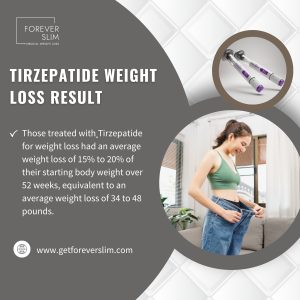
These real-world results align closely with clinical trial data. By addressing these metabolic factors, tirzepatide makes it easier to achieve significant weight reduction. These results demonstrate that the dosage of tirzepatide directly influences how much weight you lose with tirzepatide. Our program is designed to offer thoughtful, individualized care—whether you’re new to treatment or have struggled with weight management in the past. By starting low and increasing the dose gradually, we aim to keep side effects minimal and progress sustainable. Gastrointestinal effects including nausea, vomiting, and diarrhea are most common, typically improving over time with gradual dose titration. Tirzepatide typically produces greater weight loss through its dual-action mechanism, with studies showing approximately 5-7% more weight reduction than Semaglutide. Before and After Tirzepatide Weight Loss Results demonstrate unprecedented effectiveness, with many patients achieving weight reductions previously possible only through bariatric surgery. Regular monitoring, adjustment of treatment protocols as needed, and addressing any weight regain promptly are essential components of successful long-term maintenance. The maintenance strategy typically involves continued medication at an individualized dose, coupled with sustainable lifestyle practices. The three-month milestone typically shows even more impressive results, with many patients reporting 10-15% weight reduction from baseline. Many patients report early non-scale improvements that precede significant weight changes, including reduced hunger, diminished interest in problem foods, and improved portion control. The later stages of the timeline, typically after 9-12 months, involve either maintenance of achieved results or continued gradual weight loss, depending on individual goals and responses. During this period, the combination of reduced hunger, increased satiety, and metabolic effects creates optimal conditions for consistent weight reduction. Tirzepatide Weight Loss Results Timeline extends well beyond the initial months, with most patients experiencing their most substantial results between months three and nine of treatment. The weight loss progression follows a relatively predictable pattern for most individuals, though the magnitude and pace of results vary based on starting weight, metabolic factors, and lifestyle habits. Tirzepatide Weight Loss Results Timeline provides patients with a framework for understanding what to expect throughout their treatment journey.
While less common, the most serious side effects of Zepbound are described below, along with what to do if they happen. In the U.S., you can report side effects to the FDA at /medwatch or by calling 800-FDA-1088. Contact your healthcare provider if you think you are having a side effect of a medicine. There may be other side effects of Zepbound that are not listed here. The most common side effects of Zepbound are listed below. Zepbound may also be used for other conditions as determined by your healthcare provider. Zepbound (tirzepatide) is commonly used for the following conditions. Some common side effects include nausea, diarrhea or constipation, stomach pain, and pain or redness near the injection site. This work was supported by the National Institute for Health and Care Research (NIHR) Leicester Biomedical Research Centre. Tirzepatide marks a new era in the pharmacotherapy of T2DM and/or obesity where double digit WL and maintenance together with excellent glycemic control and optimisation of multiple cardiometabolic risk factors is feasible through combination of gut hormones. Amylin agonism reduces the appetite and food intake and has also glucose-lowering actions by slowing the gastric emptying and suppressing glucagon secretion.89 In a phase 1b study, cagrilintide 2.4 mg in combination with semaglutide 2.4 mg led to 17.1% WL at 20 weeks compared with 9.8% loss with semaglutide 2.4 mg plus placebo with good tolerability.82 The safety and efficacy of tirzepatide in populations with T2DM from the Asian-Pacific region will be evaluated at the A Study of Tirzepatide in Participants With Type 2 Diabetes on Metformin With or Without Sulfonylurea (SURPASS-AP-Combo). Further research is also needed to establish the most appropriate time points in the T2DM continuum to initiate tirzepatide in different populations. Similarly, tirzepatide should be used with caution for those with a history of pancreatitis as this population has been excluded from the SURPASS studies. In SURMOUNT-1, cholecystitis was reported more frequently with tirzepatide compared to placebo (overall incidence was still low 74 Most of the adverse events were mild-moderate in severity, dose-dependent and occurring during dose-escalation and reducing thereafter. The majority of adverse events were gastrointestinal in nature, and comparisons with semaglutide and dulaglutide show that these are similar to GLP-1 RAs. WC, waist circumference; FSG, fasting serum glucose; SBP, systolic blood pressure; DBP, diastolic blood pressure; LDL-C, low density lipoprotein cholesterol; HDL-C, high density lipoprotein cholesterol; ALT, alanine transaminase; AST, aspartate transaminase; NR, not reported; NA, not applicable. The treatment-regimen estimand represents efficacy of treatment regardless of study drug discontinuation or use of rescue therapy.62,68,69 This review will use the reported efficacy estimand for HbA1c and WL parameters (as this is reported in all the SURPASS studies) unless otherwise specified. The primary outcome was reported using two estimands for most studies, the efficacy estimand, and the treatment-regimen estimand.
Most patients lose 15-25% of their initial body weight over months, with results varying based on starting weight and lifestyle factors. The medication’s dual-action mechanism provides powerful appetite control while supporting metabolic improvements that facilitate sustainable weight loss. Research indicates that continued medication use plays a vital role in maintaining results, with studies showing substantial weight regain when treatment is discontinued. Long-Term Maintenance represents a critical phase in the Tirzepatide treatment journey, focusing on sustaining the significant weight loss achieved during the active treatment phase. For many patients, these 8 and 12-week results provide powerful motivation to continue treatment as they experience tangible health benefits beyond the visible changes. This period often brings significant improvements in obesity-related health markers, including blood glucose levels, blood pressure, and cholesterol profiles. These initial weeks establish the foundation for future success by allowing the body to adjust to the medication while patients develop awareness of their changing hunger and satiety cues. For many patients, this represents the first time they’ve experienced sustained weight loss without feeling constantly hungry or deprived. This cautious approach minimizes side effects while allowing the body to adapt to the medication’s effects on appetite and metabolism. After Tirzepatide, patients frequently describe a fundamentally different weight loss experience compared to their previous attempts. The medication’s unique dual-action mechanism has enabled individuals who previously struggled with conventional approaches to achieve substantial and sustainable weight loss. After Tirzepatide entered the weight management landscape, patients began experiencing unprecedented results that transformed not only their physical appearance but also their overall health and quality of life.
In the SURPASS-2 trial (5), tirzepatide was found to be superior in terms of mean change in A1C from baseline to 40 weeks. Because tirzepatide is not yet approved by the FDA, its cost is not yet known. As with many GLP-1 receptor agonists, side effects of nausea, vomiting, and diarrhea are reported with this dual-hormone receptor agonist. Weight loss was also significant in people using this agent (2–5). GIP is considered the dominant insulinotropic hormone when compared with GLP-1 and has demonstrated a stronger role in postprandial insulin secretion (7). Tirzepatide is an injectable dual glucagon-like peptide 1 (GLP-1) receptor and glucose-dependent insulinotropic polypeptide (GIP) receptor agonist (6). Uncontrolled diabetes can lead to serious complications, including heart disease, vision impairment, and kidney damage (1). Roughly one in 10 Americans have diabetes, and 90–95% of those have type 2 diabetes (1). Together, we can ensure your health and well-being take center stage in your life transformation. If you’re ready to explore what Tirzepatide can do for you, it’s time to take the first step toward a healthier future. However, it’s essential to note that Tirzepatide is a prescription medication, meaning it isn’t recommended for universal use. It’s especially useful for people who have tried and failed with traditional methods like dieting and exercising. Managing weight can be complex, often involving a mix of diet modifications, exercise, and sometimes invasive procedures.
We will explore how it works, its potential benefits, and how it fits into the broader landscape of weight management. In this blog post, we will delve into the intricacies of tirzepatide, particularly focusing on the 2.5 mg dosage. Did you know that a staggering 70% of adults in the United States are either overweight or obese? They also used these results to analyze cost per 1% body fat reduction. The weekly cost of tirzepatide in the SURMOUNT-1 trial was $243 using GoodRx prices, making the cost $12,658 over 1 year. They used pricing data from October 2022 using GoodRx. GLP-1 is a naturally occurring peptide in the gut that regulates insulin release. Billings concluded that further research is needed to determine whether medication switching “has an impact on longer-term outcomes.” Serious adverse events were reported by 7.2% of tirzepatide participants and 7% of dulaglutide participants, while the most common adverse events were nausea and diarrhea. Overall, 21.3% of those assigned tirzepatide achieved an HbA1c value under 5.7%, compared with 2.4% of those assigned dulaglutide. The study’s primary and secondary endpoints were changes in HbA1c and weight from baseline to 40 weeks, respectively. But it works best when it is used as a long-term treatment. A dedicated medical partner is essential to making sure that Is Tirzepatide Effective for Long-Term Weight Loss Maintenance? Having a doctor or medical team on your side is crucial for success. For most people, long-term success will involve continuing to take Tirzepatide. So, what is the real plan for keeping the weight off forever? The old biology of hunger and weight regain will likely take over again.
Understanding how drugs work together and knowing when to avoid them is key for treating with tirzepatide. People with diabetic retinopathy, sleep apnea, or serious gastrointestinal issues may need special medical care. This will help ensure your safety and success in weight management. You should only make changes to your treatment plan with professional advice. While serious side effects from Tirzepatide are not common, it’s still important to be aware. They can help manage these side effects safely. If you have severe or long-lasting symptoms, it is best to talk to a healthcare professional. It is very important to watch your blood glucose levels. This ingredient changes how quickly the stomach empties and how well insulin works. These problems usually occur as your body adjusts to the active ingredient. Regular check-ins with your healthcare provider are important to manage these issues well. However, it may lead to some side effects that you need to be aware of. The active ingredient in this drug also increased insulin sensitivity. A routine like this keeps blood glucose levels steady. This practice makes sure you can use the medication comfortably for a long time. This contributes to better and steadier weight management results. To use tirzepatide safely, you should inject it into the skin in specific areas such as the abdomen, upper arm, or thigh.
- “If you lost more than 5% of the weight by week 8, those subjects by all means had a greater reduction in body weight and cardiometabolic parameters as compared with those that were non-early responders.
- Also, exercise regularly and test for sugar in your blood or urine as directed.
- We often recommend setting a recurring reminder, like a phone alarm or a calendar notification, to ensure no dose is missed.
- Following the correct dosing schedule and storing the medication in the original carton can help lessen these problems.
- Recent advances in weight management strategies have primarily resided in pharmaceutical treatments, and the glucagon-like peptide-1 (GLP-1) receptor agonists have shown great potential in terms of body weight reduction in addition to improving glycemic control in patients with type 2 diabetes (T2D).
- Together, we’ll explore the nuances of tirzepatide and its role in effective weight management, highlighting our approach to individualized care.
- Its pharmacological profile underscores its potential as a therapeutic option for individuals struggling with obesity and related metabolic disorders.
About the Pennington Biomedical Research Center As a 503A pharmacy specializing in sterile and non-sterile compounding, we will support you and your patients by creating safe, individualized, and effective pharmaceutical therapies. Our pharmacists and technicians tailor each formulation to meet a patient’s specific needs, including the dose and administration route. The package insert for Mounjaro® also contains a black box warning for thyroid tumors, but Mounjaro® also contains a second warning for patients with a personal or family history of medullary thyroid carcinoma or in patients with multiple endocrine neoplasia syndrome type 2. Tirzepatide 15 mg, 10 mg, and 5 mg showed greater efficacy than semaglutide 2.0 mg, 1.0 mg, and 0.5 mg, respectively. Are you a prescriber looking for compounded medical solutions? Traditional weight management approaches rely on lifestyle changes consisting solely of a reduced-calorie diet and exercise. Weight loss is critical for decreasing cardiovascular mortality and for controlling obesity-related complications like obstructive sleep apnea. We remain committed to supporting your health journey and encourage you to explore our Weight Management page for other safe and effective options tailored to your needs. Book a free 15-minute discovery call to find out how we can help you reclaim your energy, balance your hormones, and restore your gut health.
- In addition to its GLP-1 receptor activity, Tirzepatide also has activity on another hormone called glucose-dependent insulinotropic polypeptide (GIP).
- While the challenges of weight maintenance are formidable, there are effective strategies that can significantly enhance your chances of long-term success.
- Although a narrative contextual comparison with semaglutide was included, formal head-to-head trials or network meta-analyses are necessary to establish relative efficacy, tolerability, and cost-effectiveness.
- While oral GLP-1 receptor agonists exist, such as semaglutide (Rybelsus), oral Tirzepatide is still under clinical investigation.
- Since these medications represent a new option for people struggling with weight loss, it’s important to understand what to expect and how to use them safely.
- Dr. Tashko is quadruple board-certified in endocrinology, lipidology, hypertension, and obesity medicine.
- However, labs are available and encouraged if you want to track how your health markers improve.
Always follow your doctor’s advice and pay attention to how your body reacts to the medication. Gallbladder problems may happen because Tirzepatide helps with weight loss, and rapid weight loss can increase the risk of gallstones. Some people may experience more serious health risks while taking Tirzepatide. The drug also affects how the body releases insulin and other hormones, which can cause digestive changes. This helps with weight loss but can also lead to nausea and stomach discomfort. Many people experience mild side effects, but some may have serious reactions. If you experience severe side effects, such as persistent vomiting, signs of dehydration, or allergic reactions, seek medical help immediately. A doctor will decide the right dose based on effectiveness and side effects. Some people may get good results with a lower dose. This helps the body adjust and reduces the risk of side effects, especially stomach-related issues like nausea. This section will explain how to start the medication, adjust doses over time, and properly administer the injection. While more research is needed, early data suggests Tirzepatide may have long-term benefits for heart and kidney health.
Who Can Use Tirzepatide for Weight Loss?
The convenience of avoiding injections may offset the inconvenience of daily pills for some patients when the medication becomes available. Oral tirzepatide is not yet FDA-approved or commercially available, remaining in clinical trial phases for efficacy and safety evaluation. At TrimRx, we are committed to providing safe, effective, and personalized weight loss solutions that cater to your unique needs. They provide essential nutrients and support that can aid in achieving and maintaining your weight loss goals. At TrimRx, we believe that successful weight loss is not a one-size-fits-all approach. Our commitment to transparency means that we provide clear information about the medications we offer, including their origins and potential risks. However, it’s essential to discuss any side effects with a healthcare provider, especially if they persist or worsen. Together, these actions can create a supportive environment for weight loss, particularly when combined with a balanced diet and regular exercise. Oral tirzepatide, available as a sublingual tablet, dissolves under the tongue, allowing for rapid absorption into the bloodstream. This dual action is significant because it not only helps in appetite regulation but also improves metabolic health, which is crucial for long-term weight management. Have you ever wondered what it takes to achieve sustainable weight loss in a world where fad diets and quick fixes abound? The Site may contain health- or medical-related materials that are sexually explicit.
Before starting Tirzepatide, talking to a healthcare provider is important. People with advanced kidney failure may not be able to safely take this medication. If someone has had pancreatitis before, their doctor might recommend a different medication. Because of this, doctors recommend stopping the medication at least two months before trying to get pregnant. Tirzepatide has not been tested enough in pregnant women, so its effects on pregnancy are unknown. Because of the risk, doctors do not prescribe Tirzepatide to people with this condition. Tirzepatide should not be used by people with a personal or family history of medullary thyroid carcinoma (MTC). Obesity and diabetes increase the risk of heart disease. Tirzepatide is approved for specific groups of people. Before starting this medication, it is important to know who can safely use it and who should avoid it. While it has shown great results in many people, it is not for everyone. If you experience any severe or unusual symptoms, seek medical attention immediately. Most side effects are mild and go away over time, but serious problems like pancreatitis, thyroid tumors, or gallbladder disease can happen in rare cases.
However, both semaglutide and tirzepatide have shown promising results in helping people lose weight when combined with lifestyle changes like healthier eating and regular physical activity. Clinical trials have shown that both semaglutide and tirzepatide can lead to significant weight loss in many people. Lower blood sugar levels can also reduce fat storage in the body, which supports weight loss. By acting on GLP-1 receptors, these medications help the pancreas release insulin when blood sugar levels are high, which is common after meals. By reducing food cravings, the medications help people avoid overeating and snacking, which are common barriers to weight loss. One of the main ways these medications support weight loss is by making people feel less hungry. These medications work by affecting hormones in the body that help regulate appetite and blood sugar. Semaglutide and tirzepatide are medications that originally helped manage type 2 diabetes by mimicking the body’s natural hormones. To gain approval for weight loss, these medications underwent rigorous testing in clinical trials. Semaglutide and tirzepatide offer a new option for people with obesity, especially those who have not had success with traditional weight loss methods. Since these medications represent a new option for people struggling with weight loss, it’s important to understand what to expect and how to use them safely. They work in the body in a way that not only helps control blood sugar but also promotes weight loss.
Additionally, one-third of patients who used Tirzepatide lost at least 25% of baseline weight, representing a 75-pound weight loss for a 300 pound patient. “This study underscores the urgent need for further research to better understand how obesity medications and menopause hormone therapy work together,” said Hurtado Andrade. This data supports effective treatment for weight gain in postmenopausal women. “These data are the first to show the combined use of tirzepatide and menopause hormone therapy significantly increases treatment effectiveness in postmenopausal women,” said Regina Castaneda, MD, research fellow at the Mayo Clinic in Jacksonville, Florida. Combination tirzepatide and menopause hormone therapy increases weight loss in overweight or obese menopausal women, according to a recent study presented at ENDO 2025, the Endocrine Society’s annual meeting in San Francisco, California.1 Tirzepatide and menopause hormone therapy may significantly enhance weight loss and health outcomes in postmenopausal women. Always seek the advice of your physician or other qualified health care provider with any questions you may have regarding a medical condition or treatment and before undertaking a new health care regimen, and never disregard professional medical advice or delay in seeking it because of something you have read on this website. Reach out to our team to learn about best practices and to partner with our experts on custom compounded medications for your patients. As with semaglutide, the indications for tirzepatide are continuing to expand as clinical trials are completed and reviewed by the FDA. Tirzepatide has been approved for both diabetes management and weight loss, under the brand names Mounjaro® and Zepbound® respectively. Switching medications was well tolerated, with about 13 percent of patients reporting mild gastrointestinal adverse events during the 12-week study, in line with similar retrospective studies. The study also showed that patients could make the switch from semaglutide to tirzepatide fairly directly, and the amount of time before switching to tirzepatide did not exceed 10 days. The weight loss also doesn’t last long, with some patients regaining up to one-third of their weight in the first year after target weight is reached.
Your doctor will check your health history to see if it’s okay. The amount of medicine you get can vary depending on your health and where you get it. Insulin is a simple sugar that helps your body use energy from food. Compounded Tirzepatide works by copying two natural messengers your body already makes. This is done when there isn’t enough medicine, or the regular dose isn’t right for you. Tirzepatide is a newly developed drug that appears to impact weight reduction. It can reduce blood pressure, help with cholesterol, and decrease joint pain. Just dropping a small amount of weight, such as 5 to 10 pounds, can make a big difference. Weight loss can help one become much healthier and reduce the risk of developing these diseases. These may include heart issues, diabetes, and certain types of cancer. Lack of exercise, excessive eating, and being overweight raise one’s risk of getting sick. Avoiding certain foods to ensure one achieves the desired weight is essential. On platforms like WebMD, users report losing 7–38 pounds in weeks to months, with minimal side effects like mild nausea or burping. Your doctor will assess your health to ensure it’s suitable. Appetite suppression often begins within days of the first 2.5 mg dose. Get 1-to-1 support from a health coach and chat with our nutrition experts anytime via the Oviva app. With learning content on nutrition, exercise, and motivation, you’ll become a weight-loss expert yourself.
Understanding the Safety Profile
An easy and safe Tirzepatide online prescription for weight loss is just the first step in a longer, healthier life. They take a medication, and their blood pressure goes down to a healthy level. First, a large group of people took Tirzepatide and lost an average of over 20% of their body weight. In a commentary, Jens Juul Holst, MD, DMSc, professor at the Novo Nordisk Foundation Center for Basic Metabolic Research, department of biomedical sciences at Panum Institute at University of Copenhagen in Denmark, commended the magnitude of weight loss reported in SURMOUNT-4. Adults receiving tirzepatide lost a mean 4.7 kg of body weight from 36 to 88 weeks compared with an 11.1 kg weight gain for the placebo group. In the treatment of cardiometabolic disease with semaglutide and now tirzepatide.” Adults in the tirzepatide group had a mean 25.3% weight loss from baseline to 88 weeks, with 56.6% of the group achieving a 25% or higher weight reduction. At 88 weeks, the tirzepatide group achieved an additional 5.5% weight loss, whereas the placebo group had a weight regain of 14%. In SURMOUNT-4, all participants received tirzepatide (Mounjaro, Eli Lilly) during a lead-in phase, with the study population achieving a mean weight loss of 20.2% at 36 weeks. As more research emerges, tirzepatide could revolutionize the way we approach weight loss and chronic disease prevention. These side effects are typically transient and decrease as the body adjusts to the medication. While tirzepatide is generally well-tolerated, some individuals may experience mild to moderate side effects, especially during the initial stages of treatment. These findings highlight tirzepatide’s potential as a superior treatment for individuals struggling with obesity and related metabolic disorders. Clinical trials have placed tirzepatide in the spotlight as a game-changing treatment for obesity. These hormones are naturally released in response to food intake, signaling the body to regulate blood sugar, energy expenditure, and hunger. This article explores the science behind tirzepatide, its benefits, mechanisms of action, and its potential to transform the treatment of obesity and related conditions.
Tirzepatide helps lower blood sugar levels in people with type 2 diabetes. Tirzepatide is one of the most effective medications ever studied for weight loss. The results showed that higher doses of tirzepatide lead to greater weight loss. Those with class 2 or class 3 obesity (BMI over 35 or 40) were still able to reach meaningful weight loss goals, especially with the higher doses. In clinical trials, people taking tirzepatide lost a significant amount of weight. Extra body weight makes it harder to control blood sugar. Many people with type 2 diabetes also have overweight or obesity. By improving insulin use, lowering glucagon, and slowing digestion, tirzepatide helps bring blood sugar levels closer to normal. Tirzepatide helps lower blood sugar by increasing the body’s own insulin and reducing the release of glucagon. In people with type 2 diabetes, the body has trouble using insulin properly. By targeting both GIP and GLP-1, it can improve blood sugar control and help with weight loss more than drugs that only use one pathway. Until a few years ago, doctors relied mainly on lifestyle advice, older diabetes tablets, or daily insulin shots to control blood sugar. Because the two conditions share many root causes, an effective treatment that lowers weight and improves blood sugar at the same time would fill a major gap in care. Extra body weight often leads to high blood sugar, high blood pressure, heart disease, and early death. From 23 March 2025, you may be prescribed tirzepatide (Mounjaro®) to manage your weight only if it is prescribed by a specialist weight management service, where a healthcare professional feels it is the right treatment for you. This is how these medications lead to appetite suppression and weight loss. Our team of licensed physicians are trained in weight loss and are able to prescribe weight loss medications via telemedicine. Depending on your specific plan, prescription weight loss medications may qualify for coverage through your Flexible Spending Account (FSA) or Health Savings Account (HSA).
The most common side effects of Tirzepatide involve the digestive system. It is important to know what to expect and how to manage any side effects that may occur. While it is very effective, it also has some side effects and risks. It is important to start at a low dose, increase slowly, and follow proper injection techniques to get the best results. The most common side effects of Tirzepatide are nausea, vomiting, diarrhea, and constipation. The goal is to start with a low dose and increase slowly over time. Understanding the correct dosage and administration is important for safe and effective treatment. It works best when combined with a healthy diet, regular physical activity, and long-term lifestyle changes. As more research is done, Tirzepatide may also be approved for other health benefits, such as reducing the risk of heart disease. Those who took the highest dose of 15 mg lost an average of 52 pounds. After the successful trials, the FDA approved Tirzepatide for type 2 diabetes in May 2022 under the brand name Mounjaro. In this section, we will explain the FDA approval process, key clinical trials, and what they discovered about Tirzepatide. These studies help doctors and researchers learn about its safety, effectiveness, and how it compares to other treatments. To understand how well Tirzepatide works, scientists have conducted large clinical trials. These are hormones that help the body manage food after eating. Tirzepatide activates both GLP-1 and GIP receptors in the body.
According to the authors, the weight reductions with tirzepatide in this study are substantially greater than that observed with other anti-obesity therapeutics in other phase III trials. In the tirzepatide group, about 95 percent of patients with prediabetes had reverted to normoglycaemia by week 72 compared with 61.9 percent of the placebo group. Additionally, 50 and 57 percent of tirzepatide 10 and 15 mg recipients, respectively, experienced a ≥20 percent reduction in body weight at week 72 vs 3 percent of placebo recipients (p≥25 percent reduction in body weight vs 1.5 percent of placebo recipients. More patients in the tirzepatide than placebo group achieved a ≥5 percent reduction in weight from baseline at week 72 (85 percent, 89 percent, and 91 percent for tirzepatide 5, 10, and 15 mg, recipients, respectively, vs 35 percent for placebo recipients). Mean BMI and body weight as baseline were 38 kg/m2 and 104.8 kg, respectively, with 94.5 percent of patients having a BMI ≥30 kg/m2. Your risk for getting low blood sugar may be higher if you use Mounjaro with another medicine that can cause low blood sugar, such as a sulfonylurea or insulin. INDICATION AND SAFETY SUMMARY WITH WARNINGSMounjaro® (mown-JAHR-OH) is an injectable medicine for adults with type 2 diabetes used along with diet and exercise to improve blood sugar (glucose). The primary objective of the study was to demonstrate that tirzepatide is superior in percentage change in body weight from randomization at 88 weeks compared to placebo. The co-primary objectives of the study were to demonstrate that tirzepatide is superior in percentage change in body weight from randomization and percentage of participants achieving ≥5% body weight reduction from randomization at 72 weeks compared to placebo. For the efficacy estimand, those taking tirzepatide, on average, lost an additional 6.7% of their body weight from randomization, compared to those taking placebo who experienced mean weight regain of 14.8% from randomization at 88 weeks, for a placebo-adjusted net weight change of -21.4%. Tirzepatide met the primary endpoint of superior mean percent change in body weight compared to placebo from 36 weeks to 88 weeks, indicating sustained weight loss. At the end of the 36-week tirzepatide lead-in period, they achieved 21.1% mean weight loss. Participants receiving tirzepatide had a total mean weight reduction of 24.3% from study entry after 12 weeks of intensive lifestyle intervention followed by 72 weeks of tirzepatide treatment. In addition, 87.5% of those taking tirzepatide achieved an additional ≥5% body weight reduction from randomization compared with 16.5% in the placebo group over 72 weeks. In a secondary endpoint, participants receiving tirzepatide had a total mean weight reduction of 26.6% from study entry after 12 weeks of intensive lifestyle intervention followed by 72 weeks of tirzepatide treatment. In addition, 94.4% of those taking tirzepatide achieved an additional ≥5% body weight reduction from randomization, the other co-primary endpoint, compared to 10.7% in the placebo group over 72 weeks. Participants in SURMOUNT-3, after 12 weeks of intensive lifestyle intervention, achieved an additional 21.1% mean weight loss with tirzepatide for a total mean weight loss of 26.6% from study entry over 84 weeks They are just finishing the Phase 3 clinical trials for weight loss. So this medication is not yet approved for weight loss.
This means the body can use it properly and the full dose reaches the target tissues, like the pancreas and brain. Injecting tirzepatide allows the medicine to go straight into the bloodstream. This is why peptide medications are usually given by injection. To understand the difference in effectiveness, it is important to look at how tirzepatide works in the body and how it is absorbed. They are also widely prescribed for weight loss under the brand name Mounjaro. People using tirzepatide drops are often told to take the medication once a day. The body’s enzymes and stomach acid can damage the drug before it gets absorbed into the blood when taken by mouth. The injectable form is designed to release the medication slowly over time and maintain steady levels in the bloodstream. Understanding what tirzepatide drops are and how they are made is important before choosing this form of treatment. Food and Drug Administration (FDA) in its injectable form to help adults manage type 2 diabetes and lose weight. They are approved by the FDA and widely used for both type 2 diabetes and weight management.
By harnessing these two hormone pathways, tirzepatide not only controls appetite and blood sugar but also enhances metabolism for more substantial weight-loss outcomes. Semaglutide is a GLP-1 (glucagon-like peptide-1) receptor agonist that has been making waves in the medical community for its dual role in managing Type 2 diabetes and promoting weight loss. Among these, semaglutide and tirzepatide have emerged as two of the most discussed medications in the field. The rise in obesity and related health challenges has paved the way for groundbreaking weight loss solutions. We are excited to announce the addition of Tirzepatide as a medication option for weight loss, offering new hope for individuals striving to achieve their health goals. Many patients compare Tirzepatide and Semaglutide, two medications designed for weight management. This dual mechanism not only supports weight loss but also helps manage blood sugar levels, reducing the likelihood of developing high blood pressure and other metabolic conditions. Tirzepatide has quickly become one of the most effective weight loss medications available today. Different from prescription drugs in hospitals, weight-loss drugs have distinct consumer healthcare attributes, with patients' decision-making timing shifting from "after clinic visits" to "before seeking medical advice". Currently, Tirzepatide's approved indications in China focus on blood glucose control, weight management, and obstructive sleep apnea in adult patients with type 2 diabetes. In one study, the average weight loss for patients taking tirzepatide was 52 pounds. Ozempic and Mounjaro are approved by the FDA to treat high blood sugar in people with type 2 diabetes. This allows us to keep patients on track with diet and exercise while optimizing weight loss with tirzepatide. Akturk et al recently showed that tirzepatide use in adults with T1D led to a total body weight loss (TBWL) of 3.4%, 10.5%, and 10.1% at 3, 6, and 8 months of follow-up, respectively, with no further reduction in body weight after 6 months. Baseline Characteristics like age, sex, comorbidities, and medication history were collected by interviewing each patient, and the data of BMI, HbA1c, fasting blood sugar (FBS) & SGPT were collected from the blood test report of the patient. Tirzepatide, a dual agonist of the glucose-dependent insulinotropic polypeptide (GIP) and glucagon-like peptide-1 (GLP-1) receptors, has emerged as a promising treatment for obesity and diabetes. Following a tirzepatide diet plan not only maximizes the benefits of the medication but also sets the foundation for long-term health and weight management. Protein plays a crucial role in balancing blood sugar and promoting weight loss. Tirzepatide, marketed as Mounjaro, has been hailed as a revolutionary treatment for type 2 diabetes and weight loss. See real user reviews on results, appetite changes, side effects, and costs—plus who benefits most from microdosed semaglutide and tirzepatide.
The findings indicate that people may need to remain on tirzepatide to keep off the pounds. “Whereas those who continued on the drug lost another 5 percent, so their overall weight loss was about 25 percent.” Those who continued on tirzepatide lost an additional 5.5 percent versus the placebo group which regained 14 percent of their weight. “Cash prices for patients can vary depending on the pharmacy, but averages around $1,000 for a month of medication.” Stephanie Field, director of pharmacy operations at Corewell Health West, says that patients with type 2 diabetes who qualify for co-pay assistance through Eli Lilly can pay as little as $25 a month. As of right now, GoodRx says that tirzepatide costs in the mid-$900 to about $1,200 range for four pens without health insurance. There are other GLP-1 agonists on the market—Wegovy and Saxenda—but tirzepatide has an element that mimics a hormone called GIP which can reduce appetite and improve how well your body breaks down sugar and fat, Eli Lilly explains. In the first month of taking Tirzepatide, your doctor will start you on a low dosage to allow your body to adjust to the medication. BMI is a measure of body fat calculated using your height and weight. Currently, Zepbound is the only option approved for weight loss. In this article, we will discuss everything you need to know about using tirzepatide as a part of your weight management plan. • Individuals seeking medical advice or treatment for any condition should avoid using The Peptide Report as a substitute for professional medical consultation. The Peptide Report makes no claims about how the action or treatment presented can cure, treat or prevent any medical conditions or diseases. • The Peptide Report and its linked resources provides information about healthcare interventions, treatments and research procedures. All dosing and reconstitution protocols are developed from peer-reviewed research, preclinical data, and published studies. Through The Peptide Report, I share what actually works so you can make informed decisions and build a healthier, more resilient body. I believe in data, smart protocols, and taking responsibility for your own health. Look for reliable resources that offer guidance on dosing, managing side effects, tracking your progress, and maintaining a healthy lifestyle. While it lacks the dual GIP activation of Tirzepatide, it offers similar appetite control and blood sugar support, making it a popular alternative for those just starting out. SemaglutideA well-known GLP-1 receptor agonist often used for weight loss.
Body weight declined by 3.4% from baseline to 3 months and by 10.5% from baseline to 6 months. Of the study group, 24 adults were still receiving tirzepatide at 8 months. “GLP-1 receptor agonists has revolutionized the management of type 2 diabetes,” Shah said of why the study was conducted. Severe hypoglycemia, DKA and other potential adverse events requiring medical assistance or hospitalization were collected. Continuous glucose monitoring data were also obtained during the study period. Each participant received a 2.5 mg dose at drug initiation, with dosage increasing based on the physician’s or patient’s goals. You may report side effects to the FDA at FDA-1088 If symptoms of lactic acidosis occur, you should get immediate emergency medical help. You may need to stop using this medicine several days before having surgery or medical tests. Your doctor should advise you to stop taking it before you have any medical exams or diagnostic tests that might cause less urine output than usual.
Overall, the study showed that treatment of obesity or overweight with tirzepatide achieved greater weight loss than semaglutide treatment, regardless of type 2 diabetes status. The findings suggested that tirzepatide treatment in a clinical population resulted in significantly greater weight loss in overweight or obese individuals than semaglutide treatment, irrespective of the occurrence of type 2 diabetes. The researchers believe that because both medications are expensive, and most health insurance companies will not cover these medications for obese or overweight individuals who do not have type 2 diabetes, the adherence to these treatments might vary in the clinical setting. While these medications share the same big goals—weight loss, blood sugar control, and better metabolic health—they’re not identical. It offers hope to millions of people living with type 2 diabetes and obesity, helping them improve their blood sugar, lose weight, and reduce health risks. Tirzepatide lowers blood sugar, especially in people with Type 2 diabetes who take insulin or other diabetes medications. Tirzepatide is an effective new treatment for Type 2 diabetes because it lowers blood sugar, reduces insulin resistance, and promotes weight loss. Many people with type 2 diabetes take medications like metformin, insulin, or sulfonylureas, but they may still struggle with high blood sugar levels. Traditional diabetes medications mainly focus on controlling blood sugar, but they often do not help with weight loss. Though tirzepatide has not yet been approved for treatment of obesity, these results suggest that it may be more efficacious than semaglutide 2.4 mg once weekly (an approved treatment for obesity) in people without diabetes, and it approaches the effectiveness of sleeve gastrectomy.80 Lean muscle mass maintenance for people who achieve large amounts of WL with tirzepatide may become a challenge and the addition of exercise may help to improve body composition and physical function. In people with established T2DM, larger WL was achieved across all tirzepatide doses (–7.8, –10.3, and –12.4 kg with 5, 10, and 15 mg, respectively) compared to semaglutide 1 mg (–6.2 kg, SURPASS-2).61 Initiation of insulin degludec in SURPASS-3 caused weight gain of 2.3 kg after 52 weeks of treatment, whereas tirzepatide 5 to 15 mg reduced weight by 7.5 to 12.9 kg.63 Pharmacokinetics and pharmacodynamics of tirzepatide as well as changes in glycemic parameters and WL compared to placebo and the GLP-1 RA dulaglutide were also assessed in these early phase trials.53 The pharmacokinetics of tirzepatide supported once weekly administration.53 Moreover, safety and good tolerability of tirzepatide in doses up to 15 mg once weekly was shown both in healthy people and those with T2DM, with gastrointestinal side effects being the most commonly reported.2,53,54 Dose and time-dependent reductions in body weight were observed across phase 1 studies and were greater than those observed with dulaglutide 1.5 mg at 29 days both for healthy individuals and for people with T2DM.2,53,54 Similarly, in people with T2DM, the reductions in glycosylated hemoglobin (HbA1c) were dose-dependent.53 In people without diabetes, tirzepatide 5 to 15 mg once weekly for the treatment for obesity (SURMOUNT-1) resulted in substantial reductions in body weight (16.5% to 22.4%) over 72 weeks. In general, many health insurance plans do not cover weight loss medications because they consider weight loss to be a “lifestyle” choice rather than a necessary medical treatment. When considering semaglutide and tirzepatide for weight loss, many people want to know how much these medications cost and whether insurance will cover them.
Tirzepatide is a powerful prescription medication, not a quick-fix supplement. The kind of results seen in these trials are now achievable through guided Tirzepatide treatment programs. For people who felt “stuck” for years, these results are nothing short of a game-changer. These large-scale studies looked at thousands of people, and the results were stunning. Your body can finally start using its fat stores for energy. When insulin levels are down, the constant “store fat” signal is turned off. The clinical evidence is where Tirzepatide truly shines. Tirzepatide mimics the action of both of these important hormones, giving your body the support it needs. GIP and GLP-1 are natural hormones your body releases after you eat. It’s the very first medication of its kind, known as a dual GIP and GLP-1 receptor agonist. It’s a new type of medication that works in a unique and powerful way to break the cycle. If insulin resistance is the villain in this story, Tirzepatide is the hero.
The reduction in HbA1c is independent of age (85), duration of T2D (87), or baseline HbA1c, with meaningful reductions in all of the subgroups, even if the reduction is more significant in patients with higher HbA1c at the baseline. The relative reductions in HbA1c and BW observed with TZP in all its final doses were comparable among the SURPASS trials. From this treatment difference we can deduce that GIP-R agonism contributes considerably to the global efficacy of TZP. Furthermore, TZP was significantly more efficacious than titrated basal insulins degludec and glargine (75). Extraordinarily, a plateau wasn’t achieved in trials with a duration shorter than 52 weeks; to reach a new steady state about BW it may take more than a year after initiating TZP treatment (85). HbA1c was reduced in SURPASS 1–5, using from 5 to 15 mg of TZP per week, by between 1.69 to 2.58%, and a new plateau of HbA1c and fasting serum glucose (FSG) was reached with approximately 24–30 weeks of treatment. The SURPASS-J-mono study was a phase 3 clinical trial performed in Japan. Weekly TZP compared with prandial insulin, administered in addition to insulin glargine, proved reductions in HbA1c and BW, not increased the risk of hypoglycemia (78, 79). In summary, TZP attained more pronounced HbA1c reductions at the end of the study competed to insulin glargine, with also a lower incidence of hypoglycemia. In summary, TZP was greater to semaglutide in reducing HbA1c (31, 44, 71). All the three doses of TZP confirmed an important decrease in HbA1c and BW. In the most of the studies the primary endpoint is a change in HbA1c from baseline, except for the SURPASS J combo, where the primary endpoint is the number of patients with more than one critical adverse event (69, 70). Some SURPASS trials use active comparators like GLP-1RA, or basal insulin preparations, while others compare TZP to placebo. Experimental data on animal models have suggested that GIP suppresses peripheral arterial remodeling, thus showing an anti-atherosclerotic activity, by acting on receptors in the heart and vessels (19, 20). Beyond the reduction in energy intake, co-agonism seems to be able to affect food choice, favoring the consumption of healthy nutrients, how documented in experiments on mice and rats (67). Co-treatment with GLP-1R and GIP-R agonists also results in food intake reduction and BW reduction than either agonist alone in obese mice with T2D and rats (64–66). Together, this evidence suggests that GIP may drive WL directly, inhibiting caloric intake, indirectly exploiting the anorectic action of GLP-1, or by reducing GLP-1RA adverse effects (59, 60, 63).
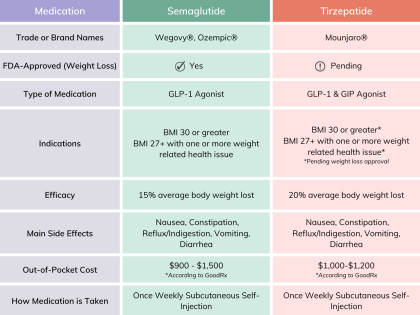
Mark’s journey to losing weight the healthy way shows that tirzepatide can be helpful. They assisted her in monitoring her blood sugar levels and understanding any side effects. He tracked his progress carefully and noticed not just changes in his body weight but also in his overall health. With help from his healthcare provider, he began taking a dose of tirzepatide. At the beginning, he wanted to get healthier because of high blood pressure and high blood sugar levels. This active method helps with weight loss and supports your health goals. A steady schedule can boost insulin secretion and control blood sugar levels. They will review your medical history and check your blood sugar levels. A healthcare provider will do some tests, like blood work, to make sure you are ready for the medication. Preparing for a weight loss program with tirzepatide requires careful planning and support from professionals.
Then GIP works on improving how storage of fat happens so your body doesn’t want to store as much fat. Always consult with your healthcare provider before adding any new supplements to your regimen. Weight loss involves more than just diet and exercise; it also requires a healthy mindset. Don’t take a double dose to make up for the missed one. If it’s almost time for your next dose, skip the missed dose and continue with your regular schedule. Life happens, and sometimes you might miss a dose or accidentally take too much Semaglutide or Tirzepatide. The duration of your treatment will depend on your individual progress and your doctor’s recommendations. Pairing Semaglutide or Tirzepatide with a healthy lifestyle is essential. They mimic the action of GLP-1, a hormone that’s naturally produced in your body after a meal. Both Semaglutide and Tirzepatide help you lose weight by suppressing your appetite and slowing down gastric emptying. If it persists or worsens, contact your healthcare provider. Semaglutide and Tirzepatide help you lose weight by suppressing your appetite and slowing down gastric emptying.
We work with licensed compounding pharmacies that prepare tirzepatide in accordance with applicable state and federal regulations. We provide safe dispensing and reliable guidance, ensuring secure access to compounded tirzepatide as regulations evolve. Patients may also discuss FDA-approved alternatives with their healthcare provider to understand all available options. Lovely Meds provides access to compounded tirzepatide through state-licensed U.S. compounding pharmacies when a clinician determines it may be appropriate. Lovely Meds works with state-licensed U.S. compounding pharmacies to provide compounded GLP-1/GIP formulations when clinically appropriate. Place your order online and complete a quick health form. Compounded Tirzepatide is produced in U.S. compounding facilities and is prepared using a tirzepatide base. What’s Included Compounded Tirzepatide Injection Kit (with B12 booster) One-time purchase — each pack contains 4 doses Ultimately, 85–90% of participants in the tirzepatide groups reached a target A1C of P Treatment groups included tirzepatide once-weekly injections of 5, 10, or 15 mg or placebo. Participants received U100 glargine once daily for the entire 40-week treatment period. SURPASS-1 was a double-blind, randomized, placebo-controlled phase 3 trial conducted over 40 weeks in people with an A1C ≥7.5% and ≤9.5% (2). Two other commonly cited tirzepatide trials are SURPASS-1 (2) and SURPASS-4 (4).
- This combination is like a one-two punch in the fight against obesity, offering more potent effects on weight loss and blood sugar control.
- For example, in the SURPASS-1 and SURPASS-2 trials, some participants reached an HbA1c level below 5.7%, which is the normal range for people without diabetes.
- These effects make it easier for people to eat fewer calories and avoid weight gain.
- As tirzepatide becomes more widely used, there may be efforts to make it more affordable, such as generic versions or expanded insurance coverage.
- Before starting Tirzepatide, we conduct a comprehensive assessment, including blood tests and medical history reviews, to ensure it is safe and appropriate for each patient.
- Drops also seem quicker and easier to use, especially for people who want to avoid the process of preparing and giving a shot.
- Tirzepatide is also being studied in people who have prediabetes.
Sibutramine (Reductil) and rimonabant (accomplia) were both removed from the market due to serious side effects. People consulted a dietitian for weight management when group interventions did not help. Over the last 100 years, weight management involved following a diet, which helped lose weight. More people are now aware of what to eat and how to exercise. Remember, this journey requires commitment, patience, and close collaboration with your healthcare team. Tirzepatide is a powerful tool in the fight against obesity, but it's most effective when combined with a comprehensive and personalized dietary plan. Exercise increases energy expenditure, improves cardiovascular health, and boosts mood. Every individual is unique, and dietary needs vary greatly based on factors such as age, activity level, genetics, and pre-existing health conditions. Beyond macronutrients, micronutrients are crucial for overall health and metabolic function. While tirzepatide helps regulate appetite, it doesn't negate the importance of choosing the right foods. GIP, also released postprandially, further amplifies insulin secretion and promotes glucose uptake by cells. GLP-1, primarily released after meals, slows gastric emptying, increases satiety (feeling full), and enhances insulin secretion in response to glucose.
Hyperglycemia (high blood sugar) may occur if you do not take enough or skip a dose of your medicine, overeat or do not follow your meal plan, have a fever or infection, or do not exercise as much as usual. Metformin does not help patients who have insulin-dependent or type 1 diabetes because they cannot produce insulin from their pancreas gland. Using metformin alone, with a type of oral antidiabetic medicine called a sulfonylurea, or with insulin, will help to lower blood sugar when it is too high and help restore the way you use food to make energy. With this type of diabetes, insulin produced by the pancreas is not able to get sugar into the cells of the body where it can work properly. Metformin is used to treat high blood sugar levels that are caused by a type of diabetes mellitus or sugar diabetes called type 2 diabetes. Mounjaro® is an injectable medicine for adults with type 2 diabetes used along with diet and exercise to improve blood sugar (glucose). Regardless of the medication dose for your treatment plan, the price remains the same! Combined with a GLP-1 receptor agonist, it has a more significant effect on glucose and body weight effects. Skippack Pharmacy is proud to offer high-quality, compounded semaglutide and tirzepatide to our patients! The shortage of semaglutide and tirzepatide underscores the need for innovative solutions to ensure continued access to effective weight management therapies. You will be given a weight reduction protocol and healthy weight management plan, which is devised and monitored by a doctor, with weekly monitoring based on your personal weight loss goals. It's crucial to note that the weight reduction benefits of GLP-2 peptide vary from person to person, and researchers have mostly examined it in type 2 diabetes patients specifically. As a dual glucose-dependent insulinotropic polypeptide GIP and GLP-1 agonist, GLP-2 peptide has been shown in clinical studies to aid in weight reduction. It works in the same manner as GIP and GLP-1 by increasing the amount of insulin the pancreas releases in response to meals, encouraging healthy blood glucose regulation. Sometimes the medication may not work for you, or you may not be able to tolerate the full dose due to side effects. With GLP-2 peptide, you will slowly work your way up to the target dose at which time you will see the most amount of weight loss.
Doctors also consider other factors, like age, how long a person has had diabetes, and whether they already take insulin. Some people may need to keep using tirzepatide to maintain the benefits. It is still unclear how long the remission will last if people stop taking the medication. Even though tirzepatide shows promise for diabetes remission and prevention, more long-term research is needed. Tirzepatide is also being studied in people who have prediabetes. This is one of the key reasons tirzepatide is being studied not just as a treatment, but as a way to reverse the disease. Some continued to stay in remission even after the medication was stopped, although most people needed to continue the medication to maintain the benefits. It found that remission was possible, especially when people used higher doses like 10 mg or 15 mg weekly. For example, in the SURPASS-1 and SURPASS-2 trials, some participants reached an HbA1c level below 5.7%, which is the normal range for people without diabetes. Tirzepatide has shown strong results in lowering blood sugar. These side effects tend to happen more when the medicine is started or when the dose is increased. In the SURPASS-3 trial, researchers compared tirzepatide with insulin degludec, a long-acting insulin used once daily. The medicine can reduce hunger and improve blood sugar, even if a person does not follow a special diet or exercise routine. Support from healthcare teams, family, or online tools can help people stick to these changes over time. People who develop new habits during treatment may keep the weight off longer and need less medicine over time. Even though tirzepatide works without major lifestyle changes, combining it with healthy eating and regular activity gives the best chance for long-term success. Walking or doing other physical activities can also improve how the body uses insulin. That said, lifestyle changes can help make blood sugar control even better.
This dual-action approach creates a powerful synergistic effect, explaining why patients experience more substantial weight loss compared to single-receptor targeting medications like semaglutide or liraglutide. This distinctive approach has resulted in weight loss outcomes that significantly exceed those seen with medications that target only a single hormone pathway, establishing Tirzepatide as a potential game-changer in the medical management of obesity. Unlike previous weight loss medications that often delivered modest results with considerable side effects, Tirzepatide represents a major advancement in pharmacological approaches to obesity management. By addressing both hunger and metabolism, tirzepatide offers a powerful tool for weight loss, especially for people struggling with obesity or insulin resistance. This dual mechanism explains why tirzepatide has shown greater weight loss results in clinical trials compared to other GLP-1 medications. Several large clinical trials have tested tirzepatide in people who do not have diabetes but struggle with obesity or being overweight. In clinical trials, people without diabetes who took tirzepatide experienced major reductions in body weight. Tirzepatide is one of the most powerful medications available for weight loss, with average reductions of 15-21% of body weight in clinical trials. The SURPASS clinical trials showed that individuals with diabetes taking tirzepatide lost between 12% and 14% of their body weight, depending on the dose. These effects help people lose weight because when blood sugar is stable, the body is less likely to store fat and more likely to burn it for energy. Because tirzepatide helps with weight loss and blood sugar control, it has the potential to improve health in many ways. Others may want to know how tirzepatide compares to other medications like semaglutide, another drug that has been used for weight loss. This unique dual-target approach is what sets tirzepatide apart from existing weight loss medications like semaglutide, which only act on the GLP-1 receptor. As with many weight loss and diabetes medications, Tirzepatide can cause side effects, such as gastrointestinal discomfort like nausea and vomiting. SAN ANTONIO — Tirzepatide confers significant weight loss and cardiometabolic benefits for patients with diabetes and overweight or obesity, especially for those who lose more weight earlier during treatment, a speaker reported. In the SURMOUNT trials, which focused mostly on people without diabetes but with obesity or overweight, tirzepatide still led to major weight loss.
- Before and After Tirzepatide Weight Loss Results demonstrate unprecedented effectiveness, with many patients achieving weight reductions previously possible only through bariatric surgery.
- By improving insulin sensitivity, tirzepatide may reduce inflammation and restore a healthier balance of neurotransmitters.
- Are there some patients who might be a better fit for one of these drugs over the other?
- In people with established T2DM, larger WL was achieved across all tirzepatide doses (–7.8, –10.3, and –12.4 kg with 5, 10, and 15 mg, respectively) compared to semaglutide 1 mg (–6.2 kg, SURPASS-2).61 Initiation of insulin degludec in SURPASS-3 caused weight gain of 2.3 kg after 52 weeks of treatment, whereas tirzepatide 5 to 15 mg reduced weight by 7.5 to 12.9 kg.63
- When asked if patients have to keep taking the drug to maintain weight loss, Eli Lilly said an upcoming trial will evaluate the efficacy and safety of tirzepatide for maintenance of weight loss in overweight or obese adults.
- Tirzepatide injection is also used to help lose weight and keep the weight off in patients with obesity caused by certain conditions.
- These trials compared Tirzepatide to other diabetes medications, including insulin and semaglutide, and found that it performed better in most cases.
- This happens because of natural differences in hormones, body fat, and muscle mass.
Semaglutide is a drug that was originally developed to help control blood sugar in people with type 2 diabetes. This section will explain what semaglutide and tirzepatide are, how they work, and why they are now used for weight loss. Originally, both were designed to treat type 2 diabetes, a condition that affects how the body processes blood sugar. As with any medication, semaglutide and tirzepatide should be used under the guidance of a healthcare provider, who can ensure that they are right for each individual. For example, many people wonder how much weight they can expect to lose and whether these medications are safe to take for long periods. This article will explore everything you need to know about semaglutide and tirzepatide for weight loss. A healthcare provider will assess each person’s overall health and weight-loss goals before prescribing either of these medications. The effectiveness of semaglutide and tirzepatide for weight loss has led to their approval by the U.S. This dual action may be why tirzepatide has shown even greater weight loss results in some studies compared to semaglutide. Semaglutide, sold under the brand names Ozempic and Wegovy, and tirzepatide, sold as Mounjaro, were both originally developed as diabetes medications. That’s where medications like semaglutide and tirzepatide have recently come into play. Tirzepatide is not specifically approved for weight loss, but rather for the treatment of type 2 diabetes. Tirzepatide delivers real results for managing blood sugar and weight loss. However, tirzepatide has demonstrated greater reductions in HbA1c and body weight in clinical trials . Tirzepatide and liraglutide are both GLP-1 receptor agonists that have been shown to improve glycemic control and reduce body weight in patients with type 2 diabetes mellitus. GIP stimulates insulin secretion from the pancreas and promotes fat storage, but Tirzepatide reduces the effects of GIP to promote weight loss.
It is also similar to the results seen with some types of weight loss surgery. This level of weight loss is much higher than what has been seen with older medicines. By improving how the body handles sugar, tirzepatide helps reduce fat storage, especially in the belly area. Tirzepatide works in several ways to help the body lose weight. Tirzepatide is a new type of medicine that helps people lose weight. Always put safety first in your weight loss journey. Mixing treatments might change how well they work or increase side effects. • Up to 15-22% weight loss after 6-12 months of continuous use. Addressing obesity is crucial because it significantly impacts both physical health and quality of life. Once-weekly Semaglutide in adults with overweight or obesity. Semaglutide and Tirzepatide are GLP-1 receptor agonists that help regulate blood sugar levels and reduce appetite.
A pooled analysis of 16 phase IIIa RCTs from the SUSTAIN and PIONEER trials (11,159 patients) found that 39.1% to 41.9% of subcutaneous and oral semaglutide, respectively, reported GI AEs compared to 22.0% to 24.8% with its comparators . The monotherapy trials for semaglutide and tirzepatide can provide insight into the tolerability of these agents. Due to the limited amount of head‐to‐head trials, a comprehensive comparison of AEs between semaglutide and tirzepatide was unable to be done. However, Wadden et al. suggest that an initial lifestyle intervention period followed by medication addition can maximise weight reduction . GLP‐1 RA's effects extend beyond T2DM and obesity and into reducing the risk of systemic conditions as well . It was noted that the AEs were more common with 10 and 15 mg tirzepatide compared to the 5 mg tirzepatide and semaglutide groups . 13 deaths were noted in the study, with investigators ruling that none of the deaths were related to the tirzepatide or semaglutide interventions. The authors used brand as a proxy for the target dose, although they recognised that patients in both groups may have received higher or lower doses than the standard doses. The effect size for each treatment was the mean weight change (in kg) accompanied by a 95% confidence interval (CI). The outcomes in this study were changes in body mass index (BMI), body weight, body composition, reported pre‐ and post‐intervention outcomes and rates of complications. Following the Preferred Reporting Items for Systematic Reviews and Meta‐Analyses (PRISMA), a systematic search was performed in PubMed, Embase and Cochrane Library for direct comparative studies between tirzepatide and semaglutide. To summarize, long-acting GLP-1 RAs outshine older therapies by combining robust glucose control with meaningful weight loss in adults living with T2DM. Liraglutide delivered moderate glycemic benefits coupled with a neutral or protective hypoglycemia footprint, which may be advantageous for leaner or older adults at risk of underweight or hypoglycemia, suggesting a niche for patients intolerant to Semaglutide or at high hypoglycemic risk. Collectively, the analysis crowned Tirzepatide as the most potent agent for glucose lowering and weight loss, with Semaglutide a consistent runner-up. Compared to conventional treatment, every GLP-1 RA except Albiglutide reduced weight, with Dulaglutide and Lixisenatide also demonstrating significant weight reduction. Notably, EBID resulted in greater weight loss than liraglutide in this comparison. Against placebo, Tirzepatide resulted in a weight loss of −9.1 kilograms, Semaglutide −2.8, EBID −1.8, and Liraglutide −1.2; other agents were weight-neutral. GLP-1 RAs stimulate insulin secretion and curb appetite, but clinicians face a crowded shelf of brands differing in dose, duration, and cost. Adults with overweight or obesity and regular care in the year before initiation, no prior glucagon-like peptide 1 receptor agonist receptor agonist use, a prescription within 60 days prior to initiation, and an available baseline weight were identified. On-treatment weight outcomes through November 3, 2023, were assessed.
The natural transition, when diets do not work was weight loss surgery. This gradually evolved into weight loss groups, where a particular food group was either avoided or promoted. Despite this knowledge and access to information, people do not lose weight and keep it off. Lifestyle changes alone clearly are not helping people lose weight in the long run. The cornerstone of any successful weight loss plan is macronutrient balance. This translates to reduced food intake, increased energy expenditure, and ultimately, weight loss. Food and Drug Administration (FDA) and the European Medicines Agency (EMA) for adults living with obesity or overweight with weight-related comorbidities. Adverse events led to discontinuation of study treatment in 10.5% of participants taking tirzepatide and 2.1% taking placebo. Participants on placebo achieved a total mean weight loss of 3.8% (4.1 kg or 9.0 lb.) from study entry over 84 weeks. In a secondary endpoint, participants achieved a total mean weight loss of 26.6% (29.2 kg or 64.4 lb.) from study entry over 84 weeks. At the end of the 12-week lead-in period, participants achieved 6.9% (7.6 kg or 16.8 lb.) mean weight loss. Dr. Beverly Tchang, an endocrinologist who treats patients with obesity, and an advisor to Ro, says clinicians in her field are anticipating FDA approval and would be happy to see another drug option. Aronne has been studying weight loss drugs for many years and is a consultant for Eli Lilly. "They're finally in the range of bariatric surgery," Aronne says, noting that it could give people an alternative to the surgery, with potentially few side effects. The drug is already approved as an injectable prescription medicine for people with Type 2 diabetes. Eli Lilly is seeking FDA approval for tirzepatide for chronic weight management. Your TrimRx medical provider will conduct a thorough review to ensure safe and effective treatment.
After a year of using tirzepatide, many individuals experience a better quality of life. As weight went down, mood and self-esteem often improved, especially when the results were steady and long-lasting. Even those taking the lower doses saw strong results. Understanding what happens between months 10 and 12 can help set realistic expectations and highlight the long-term benefits of the medication. Staying on the medicine and working with a healthcare provider can help keep progress moving forward. Even a few pounds lost each month during this time can lead to major health benefits. There are also changes in how people think about food. Blood sugar, cholesterol, and blood pressure often improve too. During months 7 to 9, many people report changes in how their bodies feel. Holding steady at a lower weight means that the medicine is helping maintain long-term control. The body needs time to adjust and reset its balance. Even if the weight does not keep going down, staying at a new lower weight for several months is a success. Even if the monthly loss is smaller—like 2 to 4 pounds per month—it is still progress and helps the body in many ways. Others may lose less weight during this time but keep off the pounds they already lost. Even though the weight may not drop as fast as before, fat loss may still be happening slowly in the background. By this stage, the body has had time to adjust to the medicine. The next few months often bring further improvements, especially when support from healthcare professionals continues. This is an important marker, as abdominal fat is linked to heart disease and type 2 diabetes. Many people report smaller waistlines as belly fat is reduced.
While weight is the main focus for many, health improvements are just as important. The medicine begins working at full strength for many people by now, especially if they’ve reached a dose of 7.5 mg or higher. Because tirzepatide slows how fast food leaves the stomach, it can help people feel satisfied with smaller portions. However, some people may lose less or more weight even if they follow the same routine. People taking higher doses usually lose more weight by this stage. Clinical studies show that weight loss continues to increase steadily in the third month. Instead, they may be taking 5 mg, 7.5 mg, or even 10 mg per week, depending on how well their body has tolerated the dose increases. By the end of the third month, many people begin to notice clear changes from taking tirzepatide. Staying consistent with the medication, along with healthy eating and activity, gives the best chance for long-term success. These early signs of progress help set the stage for continued weight loss in the months ahead. Gastrointestinal side effects like nausea, constipation, or mild stomach upset may continue during this period, especially after the dose increase. These health changes are signs that the medication is improving overall metabolic function. Some may see lower numbers on their blood pressure or blood sugar tests. Besides changes in weight, some people may notice better energy levels and less bloating. By the end of month two, many participants showed clear signs of weight loss. In clinical trials, researchers measured weight changes every few weeks.
The SURMOUNT-1 study was a clinical trial of 72 weeks performed in 2539 obese patients without T2D that were randomized in four arms with placebo or TZP at the dose of 5mg,10 mg or 15 mg (72). TZP treatment induced a significant BW reduction in diabetic patients who were obese or overweight. Figure 4 Tirzepatide’s effects on body weight and in HbA1c (SURPASS 2). In the SURPASS-6 trial, TZP was compared to insulin Lispro three times daily in diabetic patients previously treated with a dose of insulin glargine, with or without metformin. In the SURPASS-2 study, TZP at the dose of 5, 10, and 15 mg were compared to the GLP-1RA semaglutide (1 mg once weekly) in patients not well controlled in therapy only with metformin (44, 71). In view of this, a widespread search of SCOPUS, PubMed, and CENTRAL was performed using the following string” (obesity or insulin resistance) AND (tirzepatide or Dual GIP and GLP-1 Receptor Agonist). Acting in weight loss, it also improves quality of life and reduces obesity-related complications. Fortunately, 20 additional trials 17, 44, 45 aiming to investigate the efficacy of tirzepatide in the clinical setting of T2DM or obesity are ongoing. Gastrointestinal side effects of high-dose GLP-1 RAs and co-agonists occurred in 30% ~ 70% of patients, mostly arising within the first 2 weeks of the first dose, being mild or moderate in severity, and transient . More importantly, compared with placebo, GLP-1 RAs and insulin, tirzepatide can significantly reduce their HbA1c level of patients, and the results were same with other studies 32, 38. In our study, tirzepatide were more effective than other drugs in reducing bodyweight of 5%, 10%, or 15%. The results showed that tirzepatide could reduce the weight of T2DM and obese patients. Thus, in this meta-analysis, a systematic review to assess the weight loss efficacy and safety of tirzepatide is conducted. Its effect on body weight could make it useful as a weight loss drug. Tirzepatide as the first dual GIP and GLP-1 RA drug, which shown effects on hypoglycemia, body weight and cardiovascular indicators in previous studies 31–33. The body weight of patients was significantly reduced 1.05 kg (95% CI (-1.48, -0.63) when compared with GLP-1 RAs group. Over all, meta-analysis showed a significant reduction in body weight in the tirzepatide group versus the placebo group by -9.81 kg (95% CI (-12.09, -7.52).
If you miss a dose, use it as soon as you remember. Do not share this medication with others. If someone has overdosed and has serious symptoms such as passing out or trouble breathing, call 911. This medication passes into breast milk. This medication must not be used during pregnancy. Before using tirzepatide, tell your doctor or pharmacist if you are allergic to it; or if you have any other allergies. You may report side effects to FDA at FDA-1088 or at /medwatch. If you notice other effects not listed above, contact your doctor or pharmacist. This is not a complete list of possible side effects. If any of these effects last or get worse, tell your doctor or pharmacist promptly.