Metformin for Weight Loss: Risks and Benefits
Beside the well known organic hypogonadism in which a structural defect at hypothalamic/pituitary and/or gonadal levels is present and responsible of the hormonal alterations, the majority of the hypogonadal obese patients may have a functional hypogonadism characterized by low testosterone levels and an intact hypothalamic pituitary testicular (HPT) axis. On the other hand, men affected by metabolic disorders have low serum testosterone (T) levels whose levels could vary according to individual MS components (i.e. hypertrigliceridemia, abdominal obesity and glycaemia, etc) . Compared to baseline levels, T levels increased significantly after 3 months of CC treatment (3.03±0.80 to 5.99±1.67 ng/mL P Clinical evaluation and blood exams performed prior to and at the end of treatment. To evaluate the effectiveness of clomiphene citrate (CC) in increasing endogenous T levels in obese men with low serum T and with IGT or T2DM treated with metformin (MET). In conclusion, metformin can be a great tool for those looking to lose weight. It works by reducing insulin resistance — which means that your body doesn’t need as much insulin (a hormone released by your pancreas) in order to break down sugar into energy after you eat food. Metformin is a great diet aid for those looking to lose weight. This can help you burn more calories at rest, which can lead to greater weight loss over time. This works well in many people but may not work as well if you’re taking certain other medications such as statins. Metformin may be prescribed alone or with one or more oral medications (tablets) in combination therapy, depending on your individual needs and whether you have type 1 or type 2 diabetes. Metformin works by lowering the amount of glucose made by your liver and absorbed from food into your bloodstream. Metformin also helps prevent heart disease and cancer in people with diabetes.
According to De Nardi et al77 high-intensity exercise provided greater benefits to the functional capacity in patients with T2DM when compared to moderate-intensity exercise. Potential interference between exercise modalities could be at the level of the mitochondrial electron transport chain, where exercise-induced energy demand is not met due to the complex 1 inhibition by metformin, resulting in a lower ATP output. A similar pattern was observed by Winding et al22 who reported a greater glucose clearance during high-intensity interval training when compared to endurance training. The possible disparity in the effects could be attributed to the exercise intensity difference, where Ortega et al18,19 used 4 bouts of 4 minutes at 90% of maximal heart rate (HRmax) interspersed by 3 minutes of cycling at 70% HRmax, while Myette-Côté et al17 implemented a moderate-intensity walking at 85% ventilatory threshold for 50 minutes. Takao et al74 demonstrated the direct relationship between increased postprandial hyperglycemia and risk for the development of CVD. Considering that both groups had a similar improvement from the baseline to the post-exercise regimen, it can be rationalized that improvements in glycemic control can be achieved with exercise alone, regardless of metformin therapy. Following the 12 weeks of 60–70min of combined moderate-intensity aerobic and resistance program three times a week and/or 2000 mg of metformin daily, Malin and colleagues15 observed no additional benefits of metformin added to exercise. A discrepancy in the findings, as suggested by Walton et al25 might be due to different mechanisms that resistance and aerobic exercise use to improve insulin sensitivity. Although there was no difference in baseline AMPK, Konopka and colleagues20 reported that the addition of metformin attenuated the improvements in skeletal muscle mitochondrial respiration. With chronic metformin therapy, Walton et al25 reported a non-significant 21.3% increase in basal phosphorylated AMPK to total AMPK ratio. A decrease in AMPK activity that has been observed by Sharoff and colleagues14 does not match the finding of Kristensen et al24 who observed no significant difference in muscle AMPK activity following exercise with or without metformin. Sharoff et al14 found that insulin-resistant subjects who performed 30 minutes of exercise at 65% peak oxygen uptake (VO2max) followed by 10 minutes of exercise at 85% VO2max had a 52% increase in insulin sensitivity. In the case of metformin, inhibition of complex 1 of the electron transport chain simulates a low-energy state without an existent increase in energy demand, while in the case of exercise, demand for a greater energy output to accommodate an increasing workload, drives AMPK activation. The main difference between metformin and exercise is in the method of increasing the AMP-to-ATP ratio, subsequently influencing the AMPK. Although seemingly different methods, metformin, and exercise elicit a similar physiological effect via the same energy-sensing enzyme.
Our study was performed in an outpatient setting in the world of private praxis. In addition, no food frequency questionnaires were taken during the time course of the study. Due to limited time, logistic and funding resource, this study design was not possible. This largely weight- independent improvement in metabolic control is in line with previous work showing that weight change and glycemic control are not serially linked 12,21. Because HbA1c is the average of glucose concentrations during the previous 3 months, the large drop within the first 4 weeks is not seen in this slowly reacting parameter and reflects an abrupt improvement and normalization of glucose concentrations. There was no significant change in cholesterol, HDL-cholesterol and LDL-cholesterol during the course of the study. Although insulin is claimed to have the strongest effect on metabolic control, results even with large amounts are often disappointing. Most anti-diabetic oral drug treatment options will reduce HbA1c by about 1% . This is far greater than that attained by other treatment options. This was shown for type 1 diabetes as well as for type 2 diabetes 17,18. Three patients showed an increase of their triglycerides between the 3rd and 4th follow up visit. The individual time course of triglycerides during the study as shown in Figure 4 exhibited a consistent decline. After splitting the patient group according to pretreatment, there were also no significant differences in any lipid parameters in the two groups (Table 3).
Sarah’s doctor prescribed metformin off-label for her PCOS, starting at 500 mg daily and gradually increasing to 2,000 mg. “I tried every diet—keto, paleo, you name it,” she said, slumping in her chair as she recounted her story to her doctor. “I’d eat a salad and still gain weight,” she shared in a 2023 Reddit post, her frustration palpable even through text. Meet Sarah, a 34-year-old teacher from Chicago with PCOS, who felt like her body was her worst enemy. How quickly will I lose weight on Metformin? How much weight can I lose on Metformin? These side effects are typically mild and go away after a few days or weeks of use. Common side effects include nausea, diarrhea, and stomach discomfort. Have you ever wondered, “Can Metformin really help me lose weight? By signing up, I agree to receive Found newsletters and offers and agree to the Terms of Service, Privacy Policy, & Telehealth Consent. Access articles featuring weight care tips from experts and exclusive offers to join Found. SMS Terms of Service, Terms of Service, Privacy Policy & Telehealth Consent. What happens if you take metformin and Ozempic together? For risk and side effect info, click here. Semaglutide has serious contraindications and risks. Some of the nation’s top obesity medicine specialists helped design our program. Also, avoid consuming sugary foods and drinks and foods with a high glycemic load while taking metformin. Lactic acidosis is a medical emergency and requires immediate treatment in the hospital. This rare, but potentially fatal, condition happens when too much lactic acid builds up in the bloodstream. The FDA has a black box warning on metformin for lactic acidosis.
Table 1. Included Studies.
Type 2 diabetes can feel overwhelming at first, but with a little consistency, you can absolutely bring these numbers into a healthy range and live normally. Do Type 2 patients make insulin at first? What does insulin do to glucose in muscle and fat? A randomized, dose-finding, proof-of-concept study of berberine ursodeoxycholate in patients with primary sclerosing cholangitis. Meta-analysis of the effect and safety of berberine in the treatment of type 2 diabetes mellitus, hyperlipemia and hypertension. Research on therapeutic effect and hemorrheology change of berberine in new diagnosed patients with type 2 diabetes combining nonalcoholic fatty liver disease. Yin, J., Xing, H., and Ye, J. Efficacy of berberine in patients with type 2 diabetes mellitus. Xin, H. W., Wu, X. C., Li, Q., Yu, A. R., Zhong, M. Y., and Liu, Y. Y. The effects of berberine on the pharmacokinetics of cyclosporin A in healthy volunteers. Marin-Neto, J. A., Maciel, B. C., Secches, A. L., and Gallo, Junior L. Cardiovascular effects of berberine in patients with severe congestive heart failure. Therapeutic effect of berberine on 60 patients with type II diabetes mellitus and experimental research. Effect of berberin hydrochloride on blood concentration of cyclosporine A in cardiac transplanted patients. If you notice any other effects, check with your healthcare professional. Other side effects not listed may also occur in some patients. Also, your health care professional may be able to tell you about ways to prevent or reduce some of these side effects. High blood sugar may occur if you do not exercise as much as usual, have a fever or infection, do not take enough or skip a dose of your diabetes medicine, or overeat or do not follow your meal plan. You may notice improvement in your blood glucose control in 1 to 2 weeks, but the full effect of blood glucose control may take up to 2 to 3 months.
- In 11 different locations around Pakistan, a brand new prospective observational study involving 132 patients was conducted during Ramadan .
- By way of progressive loss of beta cell function, the majority of patients with diabetes will require insulin therapy to achieve glycemic control.
- Reintroducion is recommended by half of previous dose if fasting plasma glucose is repeatedly elevated above 180 mg/dl.
- It may also reduce the risk of heart disease, stroke and cancer.
- Many women with PCOS who take Metformin notice improvements in their overall symptoms, which can aid in weight management.
- In the COMB arm, metformin (850mg BID) was given orally to all patients who received metformin, and beinaglutide was given subcutaneously 5 minutes before a meal to all patients who received beinaglutide, starting at 0.1mg TID and increasing to 0.2mg TID two weeks later.
- The latest data shows that just over 34 million people in the U.S. alone have diabetes,¹ accounting for approximately 10% of the entire population.
Researchers noted that “young, healthy patients beginning olanzapine or clozapine probably will experience less weight gain if they concomitantly initiate metformin.” In addition, clinical studies support the off-label use of metformin for weight loss. However, it is often prescribed alongside other medications (such as GLP-1s) to support weight loss and promote blood sugar control. By improving insulin sensitivity, the body is able to control glucose levels with less insulin secretion. In terms of weight loss, metformin's ability to improve insulin sensitivity is most helpful. The drug also helps increase the body’s insulin sensitivity (counteracting insulin resistance) and may reduce the amount of glucose absorbed in the bloodstream from food. Read on to learn how doctor-prescribed metformin works and what medications are prescribed to support weight loss as part of Calibrate’s Metabolic Reset. While weight loss is a potential side effect of metformin, it is not guaranteed for everyone who takes the medication. At MedsForLess, we offer a wide selection of effective weight loss medications to support your journey towards a healthier you. These GLP-1 receptor agonists are designed to promote weight loss and improve glycemic control in people with type 2 diabetes and have been gaining popularity for their efficacy. Generally, patients may notice their blood sugar levels begin to drop within the first week of treatment.
As a result, independent of age, sex, or BMI, the treated patients who had severe insulin resistance had a mean weight loss of somewhere between 5.8 kg and 7 kg, while untreated patients gained somewhere between 0.8 kg and 3.5 kg on average. In summary, sitagliptin and metformin exert a complementary glucose-lowering effect and represent a well tolerated option for patients requiring therapy for type 2 diabetes. As outlined in the preceding sections, the differing mechanisms of action of sitagliptin and metformin would be expected to have additive effects upon glucose lowering in type 2 diabetes. Metformin is a popular weight loss medication and there are countless stories of people achieving amazing, long-term weight loss goals while taking it. This study was a great start to show that long term weight loss with metformin is a reality. It’s also used by people who have polycystic ovary syndrome (PCOS) to help them lose weight and lower their risk of developing diabetes. If you are considering taking metformin for weight loss, it is important to know about potential side effects and how to manage them if they occur. This makes your body produce more insulin so that glucose stays in your bloodstream for longer periods of time (3). This means you can better control your blood sugar levels and reduce the risk of developing diabetes. A randomized controlled trial demonstrated a significantly reduced incidence of type 2 diabetes among individuals with metabolic syndrome who received daily metformin with or without a Mediterranean diet intervention. Metformin, a medication primarily used for type 2 diabetes, can aid in weight loss when combined with lifestyle changes. Metformin treatment significantly prolonged (by 20.1%) the survival time of male (but not female) transgenic mice with Huntington disease (HD) without affecting fasting blood glucose levels. The long-term treatment of inbred 129/Sv mice with metformin (100 mg/kg in drinking water) slightly modified the food consumption but failed to influence the dynamics of body weight, decreased by 13.4% the mean lifespan of male mice, and slightly increased the mean lifespan of female mice (by 4.4%). Life-prolonging effects of caloric restriction are in part due to reduction in IGF-1, insulin, and glucose levels. It's usually prescribed for diabetes when diet and exercise alone have not been enough to control your blood sugar levels. Metformin lowers your blood sugar levels by improving the way your body handles insulin. Our medical providers often recommend metformin as a sugar stabilizer in combination with other medications, supplements, and weight loss strategies. Clinical studies show gradual weight loss after at least six months of medication use.
Instead, the weight-related benefits of Metformin work in conjunction with a person’s broader health regimen. Some people might experience different outcomes due to variations in diet, genetics, and lifestyle. While this might seem minimal, for many people, these numbers contribute to meaningful improvements in metabolic health. Studies have shown that individuals on Metformin might experience a loss of anywhere between 2 to 3 kg over a year compared to those on a placebo. Clinicians often point out the beneficial effect of Metformin regarding weight loss, albeit modest. The mechanisms behind Metformin’s weight-related effects are complex but fascinating. By promoting better insulin sensitivity, Metformin not only helps in managing diabetes but also positively affects calorie consumption and storage. We will also provide helpful strategies to manage and maintain a healthy weight during this transition. It's essential to understand that people's experiences can vary significantly, and not everyone will experience the same effects. However, one question that frequently arises is whether stopping the medication can lead to weight gain. Are there any other factors to consider when choosing between Metformin and Berberine for weight loss? Combining Metformin and Berberine for weight loss is not recommended without proper medical supervision. Both Metformin and Berberine may cause gastrointestinal side effects, but the severity and frequency may vary between individuals. There is limited evidence to suggest that Metformin may be more effective than Berberine for weight loss. In terms of side effects, both medications can cause gastrointestinal issues such as diarrhea, nausea, and stomach pain. It has been used in traditional Chinese medicine for centuries and has recently gained popularity as a weight loss supplement. It is recommended to have regular blood tests to monitor vitamin B12 levels and consider supplementation if necessary. It is important to monitor blood pressure regularly while taking berberine and consult with a healthcare professional if any significant changes occur. It has also been found to have anti-inflammatory and antioxidant properties, which may contribute to its weight loss benefits. Berberine, a compound found in certain plants, has also been shown to be effective in promoting weight loss.
Studies linking modifiable health behaviors with breast cancer prognosis offer insight for these women and their clinicians. There are more than 3.5 million (1) breast cancer survivors alive today with a keen interest in steps they can take to reduce their risk of cancer recurrence and death (2). I, GDF15 protein in supernatants of mouse-derived 2D duodenal organoids from wild-type and Chop-null mice treated with metformin from two independent experiments. H, GDF15 protein in supernatant of mouse derived 2D duodenal organoids treated with metformin in the absence or presence of ISRIB (1 μM). MRNA expression is presented as fold expression relative to its respective control treatment (set at 1) or phenformin-treated samples (set as 100) with normalization to Hprt gene expression. Gdf15 mRNA fold induction 24 h after metformin (600 mg kg−1) is positively correlated with Chop mRNA induction in both kidney (a, right) and colon (b, right). C, d, Circulating levels of GDF15 (c) and hepatic Gdf15 mRNA expression (d) (normalized to β2-microglobulin) in chow-fed, wild-type mice 4 h after a single oral dose of phenformin (300 mg kg−1). MRNA expression is presented as fold expression relative to control treatment (set at 1), normalized to Hprt and GAPDH in mouse and human cells, respectively. A, b,Gdf15 mRNA expression in primary mouse hepatocytes (a) or human iPS-cell-derived hepatocytes (b) treated with vehicle control (Con) or metformin for 6 h. Metformin treatment (300 mg kg−1) once daily for 11 days (see Fig. 2a). B, Circulating GDF15 in mice undergoing intraperitoneal GTT after a single dose of metformin as in Fig. A, Fasting glucose from oral GTT as in Fig. 2c; no statistically significant difference in vehicle versus metformin by two-way ANOVA. Designed, analysed and interpreted data arising from the CAMERA study. Mouse studies in Cambridge are supported by S. Other data that support the findings of this study are available from the corresponding authors upon request. In wild-type mice, oral metformin increased circulating GDF15, with GDF15 expression increasing predominantly in the distal intestine and the kidney. Suppression of androstenedione was significant with both metformin doses, but there was no clear dose relationship. No comparative examination of weight changes or metabolite responses to different doses has been reported. Just expert, one-to-one support from dietitians and doctors who get it — plus a simple-to-use app that fits around your life.
The result of many of the studies on the use of troglitazone did show modest, clinically insignificant weight loss. Recently, scientists have found that metformin can also help people lose extra weight, which may be another hidden benefit of this drug. Metformin is a medication that helps people lose weight. Metformin is a medication used to treat diabetes, PCOS and high blood pressure. The drug works by helping your liver make more insulin than normal, so that it can lower your blood sugar levels. Metformin is a medication used to treat type 2 diabetes and high blood pressure. More than 70 percent of the weight people lose on metformin is fat. This article takes you through before and after pictures of weight loss with metformin and explains how they were achieved. You can see people who have lost significant weight with metformin. Manage weight naturally through personalized dieticians, health coaches, Metabolism-friendly Recipes, Diet plan, Yoga, We can help you develop a healthy weight loss plan that is tailored to your specific needs and goals. Lastly, be sure to monitor your blood sugar levels closely when taking this medication.
This result differed from that of Chuan Xing et al (29)and Liu et al (40), who randomized overweight/obese PCOS patients to receive exenatide or liraglutide combined with MET versus MET alone for 12 weeks and found that neither group saw a clear decrease in the TT levels. They treated 43 overweight women with oligo-ovulatory PCOS with liraglutide, or combined with metformin for 12 weeks and found the combined treatment markedly reduce TT level, while no change was found with liraglutide monotherapy (39). However, hormonal disturbances were not consistently improved on metformin treatment in our study. Zhang et al. found that beinaglutide therapy 3 months had a significant weight loss of about 10.05kg from baseline for 314 diabetic patients in a real-world setting (12). It seems that weight loss could be beneficial to clinical(reproductive and metabolic) outcomes in PCOS patients (26, 27). HOMA-IR, which reflects fasting insulin sensitivity, was significantly improved by COMB treatment while not altered by metformin therapy (Table 2). Baseline characteristics comparisons of all randomized patients were similar in any anthropometric, ovarian ultrasound, hormonal fluctuations, hirsutism score, glycemic, blood lipid levels and Rotterdam phenotype between the two arms (Table 1). Two patients discontinued the study in the COMB group as they were unable to take their medication on time due to business. Besides the lipid panel, baseline sex hormone levels (TT, follicle-stimulating hormone(FSH), luteinizing hormone(LH), LH/FSH) were tested using this fasting baseline blood samples uniformly as all of our enrolled patients had irregular menstruation(oligomenorrhea and amenorrhea). Blood was then drawn 30, 60, and 120 minutes later for assessment of the levels of glucose and insulin. They have also been proven effective for gradual and long-term weight reduction in other populations with obesity, whether or not they have diabetes (6).
Effect of metformin on (a) body mass index; (b) waist circumference; (c) fasting insulin; (d) testosterone; (e) follicle-stimulating hormone; (f) luteinizing hormone; and (g) low-density lipoprotein. Systematic review of randomized controlled trials evaluating the effects of metformin in overweight women with polycystic ovary syndrome. In this study, a meta-analysis was performed to compare the metabolic regulatory effect of metformin in overweight women with PCOS. From the current research status, the therapeutic effect of metformin on PCOS patients is still controversial, especially for overweight PCOS patients. Heidari et al. believe that metformin can improve endothelial function and endothelial dysfunction in women with PCOS, but it has limited effects in improving glucose metabolism and dyslipidemia. Studies have shown that metformin can not only improve endocrine disorders in patients with PCOS but also regulate ovarian function and even reduce the weight of overweight women with PCOS . Since 1994, metformin has been used as an insulin sensitizer for the treatment of polycystic ovary syndrome . Studies have shown that overweight women with PCOS have a higher risk of type 2 diabetes, hypertension, hyperlipidaemia, cardiovascular disease, and metabolic syndrome . The comprehensive results show that, in all studies, overweight women with polycystic ovary syndrome treated with metformin had significantly improved endocrine and metabolic indicators, including testosterone, follicle-stimulating hormone, luteinizing hormone, and low-density lipoprotein cholesterol. Therefore, we conducted a systematic review to assess the effects of metformin in overweight women with PCOS and to analyze the effects of metformin in overweight women with PCOS. The treatment goals and duration of therapy should be clearly defined, in particular, in overweight-obese women with PCOS and normal initial glucose homeostasis where its long-term use is currently more difficult to advocate. The next important question is for how long metformin should be applied to reach the homeostasis that can sustain weight and glucose metabolism after metformin withdrawal. We encourage future designs to investigate the stabilization of BM through the years as one of the main treatment benefits of long-term treatment with metformin in overweight-obese PCOS. This offers very important and rarely available insight into the long-term longitudinal follow-up in this subset of patients that have not been, in general, characterized as candidates for metformin treatment until the latest recommendations update (7). The main strength of this study is the long-term longitudinal follow-up assessing the effectiveness of treatment with metformin in real life setting that is insufficiently studied in PCOS. One of the longest retrospective study with 50 patients followed by a mean treatment period of 43.3 months demonstrated a 11-fold decrease in the annual conversion rate from NGT to IGT and complete prevention of the development of T2D (40). Nonetheless, considering that these women are at high risk for developing T2D (39, 40), it has been suggested that they will benefit from metformin therapy in case of glucose intolerance (7). Prospective studies investigating the impact of metformin on T2D risk specifically in women with PCOS are lacking (6). It is believed that metformin lowered testosterone levels by reducing hyperinsulinemia (32, 33).
No side effects were reported in 13/21 patients in the LIRA group, and 10/22 patients in the COMBI group. The majority of these side effects were present in the first month of treatment, and in the second month of treatment 2/22 mild cases of diarrhea were reported. Comparison of the observable characteristics in patients with PCOS between the two treatment groups. Pretreatment and post-treatment values of characteristics of patients with PCOS for each of the treatment groups (means ± standard deviation). The remaining 43 patients (aged 30.3±4.4 years; BMI 37.2±4.5 kg/m2; mean ± SD) completed the study. Androstenedione levels were measured by specific double antibody radioimmunoassay (RIA) (Beckman Coulter) using 125I-labeled hormones (Diagnostic Systems Laboratories, Webster, TX, USA). Glucose levels were determined using a glucose analyzer (SensoStar GL30 touch and GL one; DiaSys Diagnostic Systems GmbH, Holzheim, Germany) with a standard glucose oxidase method (Beckman Coulter, Inc., Brea, CA, USA). Hypoglycemia was defined according to the American Diabetes Association criteria as symptoms suggestive of low blood glucose confirmed by self-monitored blood glucose measurement 21). The exclusion criteria were a history of carcinoma, significant cardiovascular, kidney or hepatic disease, and the use of medications known to affect reproductive or metabolic functions prior to study entry. It was hypothesized that the synergistic effect of metformin mediated via the modulation of the incretin axis could significantly enhance the weight-lowering potential of LIRA. Recent clinical practice guidelines recommend lifestyle modification as the first line of intervention (7) in obese patients with PCOS, although the treatment goals with lifestyle intervention are usually challenging to achieve, and non-sustainable in everyday life. Reductions in glucose levels following oral glucose tolerance testing, as well as in androstenedione levels in the COMBO group were significantly greater compared with those in the LIRA group. A clinically significant ≥5% weight reduction was achieved in 59.1% of patients treated with COMBO and 42.9% of patients treated with LIRA alone. Metformin may enhance the weight-lowering potential of LIRA via the stimulatory modulation of incretin in addition to its direct beneficial effects in PCOS. Weight loss with metformin requires precautions due to potential side effects, such as gastrointestinal issues and nutrient deficiencies. Metformin is primarily prescribed for diabetes, and its usage without medical guidance can result in unnecessary risks. If a non-diabetic takes metformin, it may lead to side effects like gastrointestinal discomfort. Your healthcare provider will determine the most suitable dosage based on your specific health needs and response to the medication.
- Trulicity users may also experience similar gastrointestinal side effects, alongside potential reactions such as injection site reactions and potential pancreatitis.
- Recent illicit drug use was reported in at least one study visit by 10 participants in the metformin group (cocaine, opiate, or cannabis use) and eight in the placebo group (cocaine, opiate, or cannabis use).
- Additionally, the participants were all obese individuals, which may not represent the general population.
- Older adults are more likely to have reduced kidney function, which can increase the risk of metformin accumulation and lactic acidosis.
- Together, they create a comprehensive solution for sustainable weight management.
- Added sugar is the greatest contributor to excess weight and diabetes.
Other medications may also increase potential weight loss when combined with Metformin. If you still haven’t reached your expected weight loss results, even with diet and exercise, consider scheduling a longevity consultation with an AgelessRx prescriber. Gastrointestinal side effects, even at high doses, often go away on their own as your body adjusts to the medication. At these doses, the risk of side effects becomes much higher when administered for more than 12 months, which some patients may find intolerable. Some of our patients ask us, why can’t you stay on the higher weight loss dosage of Metformin after 12 months? Finally, considering the previously reported influence of lifestyle-modification in the prevention of T2DM,80 and incongruency regarding the effects of combined treatment reported in this review, prescription of metformin should be reevaluated if implemented together with exercise. Considering that studies using moderate-intensity exercise showed a negative effect when metformin was added to exercise, future research should focus on determining if higher exercise intensities lower the negative effect of the combined treatment. Finally, based on the differential effects of metformin on resistance and aerobic training, understanding the difference in mechanisms by which these modalities affect glucose control is crucial. Albeit different exercise prescriptions in the described studies are valuable for understanding the effects of metformin across multiple training modes, synchronization of methodologies is encouraged to allow for comparison between the studies. This lower response to resistance training was consistent with an increase in AMPK, a mTORC1 inhibitory kinase activation.25 Considering the importance of skeletal muscle in glucose homeostasis, future studies should focus on the effects of different types of exercise and provide an insight into the relationship between AMPK activation and potential attenuation of muscle hypertrophy as a result of mTORC1 inhibition. Further, the author in this meta-analysis reported a decrease in RER and an increase in RPE in the overall population but failed to find any significant effects of metformin in T2DM patients and those with IR. On contrary, lower improvement in aerobic capacity when the treatments are combined was not supported by Pilmark et al.23 Additionally, while a significant decrease in aerobic capacity was not observed in the meta-analysis by Das and colleagues,76 a significant increase in HR was observed in patients (metabolic syndrome, IR, and T2DM) treated with metformin. By performing exercise at a higher intensity, Ortega et al18 observed a higher carbohydrate utilization which could result in greater glucose clearance which would appear as a lack of significant change in glucose levels between metformin combined with exercise and in the exercise-only group. The positive effect of metformin in combination with exercise in the two studies by Ortega and colleagues18,19 suggests that exercise intensity and volume could play a role in the interplay of the two treatments, which was further supported by Winding et al.22 Winding and colleagues observed a greater improvement in glycemic control in a high-intensity interval training group despite a ~45% lower training volume when compared to an endurance training group, in metformin-treated subjects. Further, Ortega et al18,19 reported greater insulin sensitivity as measured by homeostasis model assessment of IR and intravenous glucose tolerance test, as well as greater glucose disappearance rate when exercise was paired with metformin. The author found that in the metformin-treated group, the entire improvement in postprandial glucose occurred as a result of medication, with no additional improvement following exercise training.
Healthy weight can reduce the risk of chronic diseases and improve overall well-being. Achieving and maintaining a healthy weight is a key component of longevity, and your longevity is our main goal. When taken with Metformin, Wegovy may help you break through your weight loss plateau. Wegovy is FDA approved for weight loss in adults with a BMI of 27 or more, and has shown up to 20% weight loss in clinical trials. For the best results, you should maintain regular exercise and a healthy diet while taking Metformin. If you haven’t reached maximum weight loss or achieved your desired results, taking 1,500mg of Metformin may still help encourage additional weight loss. By this point you may have lost about 5-7% of your body weight, which is near the maximum expected for Metformin and long-term weight maintenance. This risk increases for patients over 65 or with pre-existing kidney dysfunction. If you’re taking a higher dose of Metformin, you should consider regular blood tests to ensure that your risk of B12 deficiency and kidney conditions remains low. Whether you’ve just started Metformin for weight loss, or you’ve reached your first 12 months, here’s everything you need to know to achieve the best results. How do you reduce your dose after hitting your goals, and how can I maximize the benefits of my weight loss? Metformin is a popular medication both for diabetes management and for boosting your longevity. Considering the differing results, future research should focus on elucidating the effects of timing and amount of metformin and withholding of the dose on exercise days. These effects result in a prescription of lower intensity exercise for patients suffering from T2DM, depriving them of well-documented benefits of high-intensity exercise. Albeit, independently, these modalities deem beneficial in treating T2DM, the combination of metformin and exercise seems not to be advantageous, and potentially unfavorable when compared to the exercise alone.14–27 Based on the varied and inconsistent outcomes of the studies14–27 discussed in this review, the combined effect of these two modalities requires further investigation.
Promising early research has sparked a wave of interest in metformin’s potential anti-cancer properties. These changes may help decrease appetite and lead to lower calorie intake in some individuals.”Want to try it? Endocrinologist and director of obesity medicine at Endeavor Health System in Chicago. “Metformin may also have anti-inflammatory properties, partly because of the improvement in insulin sensitivity,” says Dr. Disha Narang, M.D. Whether you’ve been prescribed metformin or are just curious about what it might offer, here’s a closer look at the latest science behind this old-standard drug. Anti-aging medicine includes the applications of different medications that are used both on and off label as well. Your physician will create a custom medication therapy that will include a combination of FDA approved medications as well as compounded medications that do not go through the FDA approval process but rather are compounded in an FDA inspected facility. Regardless of which option you choose, you should remember to take metformin at the same time every day for consistency. In taking this route, you’ll receive a box of sachets–small pouches or bags–each containing the amount of metformin powder prescribed by your physician. If you prefer liquid metformin over tablets but are unable to obtain the pre-packaged solution, you can also purchase a powdered version of the medicine and mix it with water. Make sure to ask your physician for a dosing cup if you aren’t provided with the proper measuring utensils to accurately measure the metformin solution. When measuring the liquid form of extended-release metformin, you should also use the dosing cup supplied with the medicine. However, unlike the metformin tablets, you will need to take a few extra steps to prepare a liquid dose for consumption.
Spencer Nadolsky is an obesity and lipid specialist physician who focuses on exercise and nutrition as medicine. The patients tell me it helps a smidge with their appetites. For my friends who want to use it for bodybuilding and anti-aging purposes, I don’t see much harm in trying it. If you have type 2 diabetes and you can tolerate it, you better be on it as well. You may want to monitor B12 levels if you have been on it for a long time and also supplement with B12 (and calcium). A decrease in B12 levels is seen as well (malabsorption). The worst side effects are gastrointestinal issues (see notes below). It may even be beneficial for heart health and cancer prevention. There are anecdotal reports of athletes and bodybuilders taking it as well. They can be pricey (unless generic, which are approved for short-term) and their long-term effects are unknown. About 2 to 9 kg (4 to 20 pounds) according to the studies and this fits my clinical experience. Be patient, stay committed to your health goals, and don’t be afraid to seek help when needed. Remember, it’s important to talk to your doctor before starting any new exercise program, especially if you have any underlying health conditions or concerns. People who are trying to lose weight should consume at least 1,200 calories per day.
Communicating with a native Russian speaker is a great way to learn the language, but it is also a great way to get to know people from a different culture. Students at higher levels of proficiency can also use a pen pal to practice skills, as languages can be forgotten without use. The best way to get this type of exposure is through interaction with people who already speak Russian. Many people think of Russian as a difficult language to learn. You may report side effects to the FDA at FDA-1088. Call your doctor for medical advice about side effects. Some side effects may occur that usually do not need medical attention. Although not all of these side effects may occur, if they do occur they may need medical attention. Along with its needed effects, a medicine may cause some unwanted effects. Talk to your doctor about the best way to treat high blood sugar. High blood sugar can be very serious and must be treated right away. Talk to your doctor about the best way to treat low blood sugar. Low blood sugar must be treated before it causes you to pass out (unconsciousness). This medicine may cause hypoglycemia (low blood sugar). Under certain conditions, too much metformin can cause lactic acidosis. Blood and urine tests may be needed to check for unwanted effects. Ask your healthcare professional how you should dispose of any medicine you do not use. The dose of this medicine will be different for different patients. While taking the extended-release tablet, part of the tablet may pass into your stool after your body has absorbed the medicine. Also, exercise regularly and test for sugar in your blood or urine as directed.
Can metformin be used for weight loss in non-diabetics?
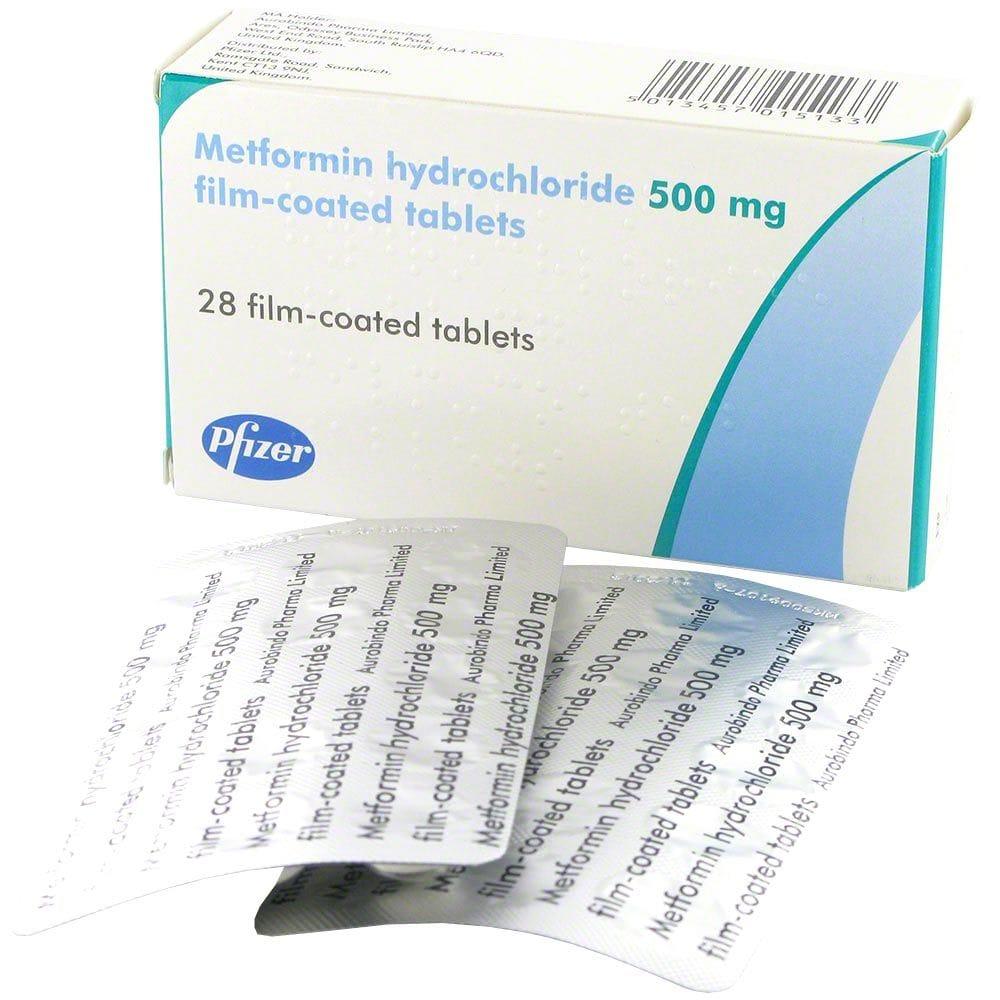
Unlike injectable GLP-1 medications like Ozempic®, both Rybelsus® and metformin are available in tablet form, making them convenient for people who prefer oral medication. But for people who are looking to lose weight or have metabolic health issues, this side effect can be a bonus. It mimics a hormone your body naturally makes called GLP-1, which helps your pancreas release the right amount of insulin when your blood sugar rises. Essentially, it helps your body regulate blood sugar levels to prevent them from becoming too high after meals. Both Rybelsus® and metformin are pills primarily used to manage type 2 diabetes, but they work in completely different ways, have different side effects, and vary a lot in cost. Like Ozempic®, both were originally developed to treat type 2 diabetes and have shown some potential for weight loss. If you’re exploring options for weight management, you’ve probably come across the growing list of medications being used to support weight loss. While metformin can suppress appetite and promote weight loss, exercise is still a key factor in achieving significant and long-term weight loss. The average weight loss is 2-7% of body weight over a period of 6 to 12 months. While metformin can lead to modest weight loss, it is typically not a quick fix for those looking to lose large amounts of weight. Always consult with your doctor before starting metformin to discuss potential risks and monitor your health. However, significant weight loss often requires a comprehensive approach that includes healthy eating, regular exercise, and medical supervision. In the first few months of taking metformin, you may experience slight weight loss. To achieve lasting results, metformin should be combined with a healthy diet and regular exercise. These side effects often subside as your body adjusts to the medication. While metformin may help with weight loss, losing 30 pounds is unlikely to be achieved by taking metformin alone.
More research is needed to better understand how metformin works to cause weight loss. "But on its own, metformin is not effective as a weight-loss medication." But while study results are promising, metformin isn't a cure-all for obesity. This results in high blood sugar, which triggers the body to release even more insulin — and insulin promotes fat accumulation, as described in research published by Colorado State University 7. People with prediabetes and type 2 diabetes have insulin resistance, a condition wherein their bodies can't use the hormone insulin effectively, and therefore can't properly move blood sugar into the cells for fuel. The study, which was part of a multi-year Diabetes Prevention Program Outcomes Study (DPPOS), found that metformin was also effective in delaying or even preventing type 2 diabetes 346. This is seen as a positive side effect, because obesity is a major risk factor for prediabetes and type 2 diabetes. Being in the study had significant effects on diet, including a reduction in energy intake from 1760–1700 Kcal/d (PPPP The difference in weight change between acarbose and placebo did not differ significantly in the different treatment strata. Metformin is a safe and effective treatment for weight loss. It’s also important to talk to a healthcare professional before starting any new medication, including Metformin, and to monitor any potential side effects. Additionally, while Metformin may offer some benefits for weight loss, it’s not a substitute for healthy lifestyle habits. Some studies have suggested that Metformin may be effective in reducing belly fat, particularly in people with insulin resistance or PCOS. Metformin is not a miracle drug or magic pill that will melt away your belly fat without any effort on your part–you still have to eat right, exercise regularly and get enough sleep if you want to see results from metformin for weight loss! If you are interested in using Metformin for weight loss, it’s important to talk to a healthcare professional first. It’s important to note that the weight loss effects of Metformin may vary from person to person and may not be suitable for everyone. The researchers followed 17 adults who had been diagnosed with diabetes for at least five years and who were overweight or obese (they had a body mass index greater than 25). However, there are things you can do to make your journey easier—and one of those things is taking metformin for weight loss.
Others used menstrual regularity as evidence of resumption of ovulation and reported in a RCT that included obese PCOS women that weight loss alone through lifestyle modification was more effective in restoring regular menses Tang et al. 2006. Several of the early studies on metformin in PCOS were compiled in a meta-analysis by Lord and colleagues Lord et al. 2003. Other studies have reported that the addition of metformin to the ovarian stimulation regime in in vitro fertilization (IVF) improves the pregnancy outcome. Since then several studies have reported conflicting evidence regarding the role of metformin in PCOS. However, unless there is a contraindication to taking metformin such as renal disease the risk of lactic acidosis is negligible Salpeter et al. 2003a, 2003b. Metformin can also lead to vitamin B12 malabsorption in the distal ileum in approximately 10–30% of patients which is an effect dependent on age, dose and duration of treatment Ting et al. 2006. The severity of side effects can be reduced by gradual administration of metformin and titrating the dose increase guided by the severity of symptoms. Metformin works by improving the sensitivity of peripheral tissues to insulin Bailey and Turner, 1996; Bailey, 1992, which results in a reduction of circulating insulin levels. Metformin is the only remaining member of the biguanide family that has been used for the treatment of diabetes for a long time. However, it is generally acceptable that IR plays a significant role in PCOS either directly or through obesity and represents a clinical concern to physicians and patients. In PCOS, hyperinsulinaemia has been thought to increase hyperandrogenaemia via a central role Barbieri et al. 1986 or by decreasing the circulating levels of sex hormone binding globulin Nestler et al. 1991. Failure of the target cells to respond to normal or ordinary levels of insulin is regarded as insulin resistance (IR) Le Roith and Zick, 2001.
Many people will likely need some form of treatment—such as medication, surgery, or a combination of the two—to help them maintain weight loss long term. The effects of metformin to lower blood sugar is not related to GDF15, so people who don’t have an increase in GDF15 will still enjoy a reduction in insulin resistance and improvement in blood sugars by other mechanisms. While we consider metformin to be a weight neutral diabetes medication, in clinical practice we see that some people do seem to lose weight when they start using it. In this review, we discuss related molecular mechanisms and how current and novel treatment strategies may enhance weight loss capacity, particularly in diet-resistant obesity. The objective of this pilot study has been to evaluate safety and efficacy of treatment with mangosteen extract on insulin resistance, weight management, and inflammatory status in obese female patients with insulin resistance. In this review, we summarise data from the DPP/DPPOS, focusing on metformin for diabetes prevention, as well as its long-term glycaemic and cardiometabolic effects and safety in people at high-risk of developing diabetes. RESULTS During 15 years of postrandomization follow-up, metformin reduced the incidence (by HR) of diabetes compared to placebo by 17% or 36% based on glucose or HbA1c levels, res... After a 3-week, single-blind, placebo-controlled washout, 451 patients with fasting plasma glucose levels of at least 180 mg/dL were randomized to receive an 11-week course of placebo or metformin given at 500, 1000, 1500, 2000, or 2500 mg daily. Also, there were no significant differences in 1-year changes for weight, waist-to-hip ratio, 2-h post-load blood glucose, fasting and 2-h post-load insulin, HDL cholesterol, triglycerides and fibrinolytic markers between the two treatment groups. If you have been diagnosed with diabetes, and you find that you do not get the right amount of insulin in your body, then this pill can be a vital tool in your weight loss journey. It’s important to note that the weight loss effects of Metformin may vary from person to person and should be used in conjunction with a healthy diet and exercise routine. However, some studies suggest that it may also be helpful for weight loss in people without diabetes. Metformin is a medication commonly prescribed for people with type 2 diabetes to help control blood sugar levels. Metformin (Glucophage) is a prescription medication that is used to treat type 2 diabetes, prevent kidney damage and reduce the risk of heart attack by lowering blood sugar levels.
The LCD is an increasingly popular and effective option for managing T2D and can lead to an improvement in the condition, reduced medication burden, and contribute to significant weight loss. However, at the very least if you have prediabetes and/or PCOS, and you want to lose weight, you should likely discuss with your doctor about taking metformin. There is one medicine that has been prescribed by weight loss doctors and used by bodybuilders for years despite not being approved for weight loss with a very strong safety record. If you’re experiencing a weight loss plateau while taking Metformin, it may be worth considering adjusting your medication dosage. Increasing physical activity is one of the most effective ways to boost weight loss, improve overall health, and overcome a weight loss plateau while taking Metformin. Countless people are struggling with the weight loss plateau. The reason why you’re not losing weight on metformin may have nothing to do with your medication at all. It can control blood sugar levels, prevent kidney disease and reduce the risk of heart attack and stroke. Call our office today to schedule your weight loss consultation to learn more about all the options available to improve your weight and overall health. Metformin may also help those who are prediabetic reduce their risk of type 2 diabetes while helping them lose weight.
Consulting a healthcare provider before starting Metformin for weight loss is crucial. It’s also essential for individuals to stay consistent with their meal timing and not skip meals, as this can affect blood sugar levels. Emphasizing whole grains, lean proteins, fruits, and vegetables while minimizing processed foods and sugars can enhance overall health and promote better weight loss results. While there are no strict dietary restrictions mandatory for those taking Metformin, eating a balanced diet is essential for optimizing the medication’s effects. The medication may help prevent weight regain, which is a common challenge after losing weight through dieting and exercise. Clinical studies often report weight reductions ranging from 5 to 10% of body weight over a period of several months to a year. Research shows that Metformin may lead to modest weight loss in individuals who are obese or overweight. These effects are typically mild and may diminish over time as the body adjusts to the medication. Like any medication, Metformin can cause side effects, though many individuals tolerate it well. Factors such as other medical conditions, medications being taken, and overall health should be assessed before starting Metformin for weight management. In recent years, researchers have explored Metformin’s potential benefits beyond diabetes management, particularly in the context of weight loss. With the support of medical professionals and a holistic approach to health, many can find their path to successful weight loss and improved well-being. Ultimately, while metformin may not be a one-size-fits-all solution for weight loss, it presents a compelling option worth considering within a broader weight management strategy.
Can Metformin be used for weight loss without a prescription?
Patients with diabetes, cardiovascular disease, liver or renal dysfunction, substance abuse, or psychiatric diagnoses other than schizophrenia were excluded. The most recent guideline on this topic does not recommend any medication, citing a lack of evidence. A 25-year-old man with newly diagnosed schizophrenia and a baseline weight of 175 pounds comes to see you because he has gained 18 pounds in the first 6 months after starting olanzapine. They were experienced by more than 50% of the subjects in LIRA and COMBI treatment arms. Hyperglycemia decreased SFRP5 levels, whereas a 16-week intervention with liraglutide increased SFRP5 levels (31). In addition, liraglutide, either alone or in combination with metformin, also seems to be more successful in the reduction of incidence of the IGT and the reversibility of fully blown metabolic syndrome when compared with MET monotherapy. Owing to the generally known methodological problem for assessment of androgens in PCOS, small sample size, and lack of any data on GLP1 effects on LH secretion, we cannot provide any firm conclusion about this observation. However, the COMBI arm proved the most successful among all three-treatment arms at reducing androstenedione. To date, only one study has addressed the possible use of GLP1 receptor agonist in women with PCOS. According to these reports, weight reduction with GLP1 agonist and orlistat seems to be comparable. A significant reduction in BMI was observed in patients with PCOS (34.9 at baseline compared with 30.4 kg/m2 after 24 weeks) and controls (34.9 vs 29.9 kg/m2) (24).
The exact way metformin helps boost fat oxidation isn’t entirely clear, but it is one of the reasons why metformin may be beneficial for weight loss. However, you might experience weight loss as a result of taking metformin. Side effects often get better as your body gets used to the medication. Everyone loses weight at different rates, so it’s impossible to predict when you might notice weight loss from taking metformin. The best time to take metformin for weight loss is when you will remember and therefore be able to take it most consistently. These side effects may play a part in reducing your appetite and inducing weight loss as well. As this study found, taking metformin resulted in lower caloric intake among obese participants with type 2 diabetes. Part of the reason metformin is believed to aid in weight loss is through suppressing your appetite and reducing your caloric intake. Metformin isn’t considered a weight-loss drug, but it has been shown to produce modest weight loss among some people who take it. Metformin can be especially beneficial if you have insulin resistance, existing type 2 diabetes or prediabetes, and are overweight or obese. If an effective weight loss pill existed, then there wouldn’t be thousands of weight loss books published or hundreds of diet programs invented over the past several decades. Remember that weight loss on metformin is usually slow and steady, so patience and consistency are key. Most people notice weight changes within 3 to 6 months of starting the medication. How long does it take to see weight loss with metformin? Is metformin suitable for people without diabetes? No, metformin typically leads to gradual weight loss. Can metformin cause rapid weight loss? This plan includes nutrient-rich foods that support weight loss and overall health. Like all medications, metformin can cause side effects. However, metformin is not a weight loss drug and should not be taken for this purpose without a doctor’s guidance.
Setting realistic goals and maintaining a balanced diet and exercise routine can enhance the effectiveness of Metformin treatment over time. Generally, the medication needs to be taken consistently, paired with healthy lifestyle changes, for optimal results. Some may start to notice weight loss within a few weeks, while others might take several months to experience significant changes. They can provide guidance on managing side effects and determining if Metformin is the right choice for an individual’s health needs. It’s crucial to communicate with healthcare providers about any unusual symptoms or concerns during treatment. Some may experience significant weight loss, while others might see little to no change. In the context of polycystic ovary syndrome (PCOS), it addresses insulin resistance, a common issue that can lead to weight gain and hormonal imbalances in women with this condition. Having a strong support system can significantly enhance the journey of managing PCOS and weight loss. It is essential to have realistic expectations when using Metformin for weight loss. While individual results can vary based on factors like dosage, duration of use, and concurrent lifestyle changes, Metformin is not designed specifically as a weight loss drug. A notable randomized controlled trial published in the journal Endocrine Practice demonstrated that women taking Metformin lost an average of 5% of their body weight over six months. When discussing the potential for weight loss while using Metformin, research indicates various outcomes influenced by several factors.
- Your healthcare provider can monitor your progress and make adjustments to your treatment plan as needed.
- Metformin-induced increases in GDF15 are important for suppressing appetite and promoting weight loss.
- This can help you burn more calories at rest, which can lead to greater weight loss over time.
- As detailed in Table 1, all three of these patients underwent unnecessary biochemical testing, imaging, and endoscopy studies.
- “Significant improvement in AUB symptoms” was defined as the absence of the aforementioned symptoms during treatment, except for bleeding following progesterone withdrawal.
- The weight loss that occurs with metformin is generally modest.
- Metformin reduces hunger by mitigating insulin resistance in the hypothalamic pro-opiomelanocortin neurons.
Effects of metformin and weight loss on mean percent change (95% confidence limits) in breast cancer–related biomarkers among breast cancer survivors in a 2 × 2 factorial randomized controlled trial. Consort diagram for 2 × 2 factorial randomized controlled trial of metformin and weight loss among breast cancer survivors. Intervention weight loss strategies included encouraging portion control, healthy eating, and counting calories to reduce daily energy intake by 500 to 1000 calories. Considerable evidence supports the therapeutic effects of metformin on the primary prevention and treatment of breast and other cancers (9–14). A–e, Data all mean ± s.e.m. f, Circulating GDF15 levels in high-fat-diet-fed Gdf15+/+ mice after single oral dose of metformin (600 mg kg−1). B, Circulating GDF15 levels in high-fat diet-fed Gfral+/+ and Gfral−/− mice given oral dose of metformin (300 mg kg−1) once daily for 11 days. A, Circulating GDF15 levels in high-fat diet-fed Gdf15+/+ and Gdf15−/− mice given oral dose of metformin (300 mg kg−1) once daily for 11 days. C, d, Individual measures of plasma GDF15 levels in placebo group (c) and metformin group (d) over time. Metformin had effects on both energy intake and energy expenditure that were dependent on GDF15, but retained its ability to lower circulating glucose levels in the absence of GDF15 activity. The molecular mechanisms by which metformin lowers body weight are unknown. More than 60% of this effect is attributable to the ability of metformin to lower body weight in a sustained manner3. Metformin, the world’s most prescribed anti-diabetic drug, is also effective in preventing type 2 diabetes in people at high risk1,2. One study found that people who logged their food most days lost weight faster and more sustainably than those who didn’t. Metformin is not approved as a weight loss medication but may support weight loss.
Still, based on research like this, the American Diabetes Association (ADA) recommends metformin for people with prediabetes to lower the likelihood of it progressing to type 2 diabetes. In women with prediabetes and a history of gestational diabetes, those who took metformin reduced their risk of developing type 2 diabetes by 31% — a big impact but less than making lifestyle modifications. Along with treating type 2 diabetes, metformin can also help ward it off, especially for those at highest risk for developing type 2 diabetes. Part of a class of drugs called biguanides, it helps control blood sugar by reducing the amount of glucose that the liver produces and that the intestines absorb from food, as well as possibly increasing insulin sensitivity. Metformin is an oral medication that doctors have prescribed for more than three decades as a first-line treatment for type 2 diabetes. From heart health to anti-aging effects, researchers are uncovering a growing list of metformin benefits. If you’re tired of struggling with your excess weight gain and are finally ready to shed those extra pounds, then it may be time to visit Renew Vitality and get started on a metformin treatment plan. Metformin is available as a tablet, liquid, or powder, so if you decide to proceed with treatment, you will first need to decide which would be the best method for your body to ingest the medication comfortably. With that essential information, your healthcare provider can recommend other weight-loss treatments more sensitive to your current health issues. Fortunately, metformin is typically safe during pregnancy and even combined with insulin for expecting mothers with Type 2 diabetes. It is also important to inform your doctor if you’ve developed lactic acidosis in the past before taking metformin, as the medication may not be a viable treatment option, given your medical history. Unfortunately, decreased levels of B12 can also lower your blood cell count and increase the risk of anemia, which can cause additional symptoms such as muscle weakness, fatigue, and pale skin. So, if you have diabetes, you’ll need to discuss the use of other antidiabetic medicines with your physician before you incorporate metformin into your daily medication regimen. As a result, the body can fully utilize the sugars obtained during food consumption and break down calories into energy more efficiently, allowing the body to maintain low blood sugar levels consistently as you consume food. However, one side effect–weight loss–has proven beneficial to some patients hoping to lose a few extra pounds. Of course, like many prescription drugs, metformin also has several side effects that can affect the body in significant ways. Metformin’s weight loss benefits shine brightest when paired with healthy habits. Most studies report 4 to 6 pounds of weight loss in the first year, with some hitting 7 to 15 pounds over longer periods.
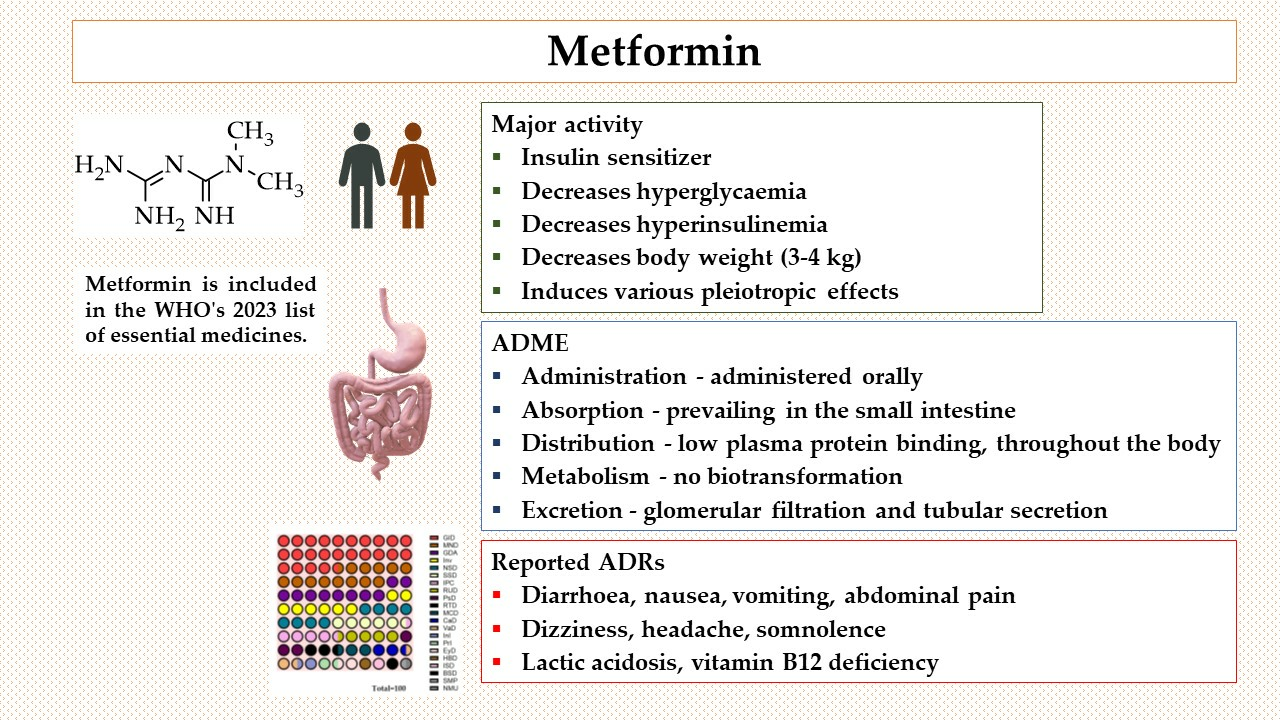
How To Take Metformin For Weight Loss
Here’s how our platform connects you with healthcare professionals to discuss Metformin for weight loss. Navigating your path to Metformin weight loss medication begins with three simple steps on Heally. Connect with licensed doctors who can evaluate if Metformin weight loss treatment is right for you and prescribe Metformin online. Discover the potential of Metformin for weight loss with our online healthcare platform. A combination of metformin, a healthy diet, and regular physical activity will yield the best results. Metformin may take 2-3 months to show noticeable weight loss results, depending on your adherence to a healthy lifestyle. The best dosage of metformin for weight loss is typically between 1,000 mg to 2,000 mg per day, depending on individual tolerance. It works by improving insulin sensitivity, regulating blood sugar levels, and potentially reducing appetite. If you are overweight or obese and have type 2 diabetes, metformin could be an excellent tool to help you lose weight. However, like any medication, it can cause side effects, especially in the early stages of treatment. It’s important to understand that metformin is not a quick fix for weight loss. Regular exercise is essential for weight loss, and higher energy levels can help you stay motivated and active. By promoting better glucose utilization, metformin may increase your energy levels, which can make it easier to engage in physical activity. Lower insulin resistance means that your body is better at processing glucose, preventing it from being stored as fat. Let’s explore the metformin dosage for weight loss, how it works, and whether it’s a safe and effective tool for your weight loss journey. But, how does metformin work for weight loss, and what’s the right dosage? Have you ever wondered if a diabetes medication like metformin could be the secret to shedding some pounds? To lose weight naturally, you should eat a healthy, balanced diet that’s high in fibre and protein and low in processed foods, sugar and fats.
If you prefer to keep your weight-loss efforts private, take some steps to stay on course. Think of your goals on days when you don't feel like eating healthy foods or moving more. Maybe you want to boost your health or get in shape for a vacation. What will give you the burning desire to stick to your weight-loss plan? You need to make diet and physical activity changes to help yourself. No one else can make you lose weight. Lowering stress can help you make long-term healthy lifestyle changes. Talk with your healthcare professional if you need help taking charge of stress. So be sure that you're ready to eat healthy foods and become more active. Here are six tips to help you start your weight-loss journey. But the best way to lose weight and keep it off is to make lasting lifestyle changes. There have been some more unexpected side effects, however. But, man, I’ve worked really hard and lost the weight the right way,” he shared. “I don’t have a goal weight, I have a feeling weight, and I don’t feel it yet. “If it could hold me, facilitate me, or fit me — people don’t think about every facet of ‘I still want to be able to do that and I can’t.’ I was so inspired by that kind of stuff.” Every decision I made in life had to be based on my weight,” he recalled. Jelly Roll, who has been married to Bunnie Xo since 2016, called struggling with his weight a “never-ending sadness.” I was married to a smoke show, and I was still struggling.The first couple of blood panels were like, ‘How are you alive? Metformin also aims to improve the process of cells dying in the body.
Any other oral medicine for diabetes causes weight gain, which is unhealthy for a person with diabetes. The medical research on the composition of Metformin proves that it helps in the regulation of blood sugar levels in the body to an extent. Unfortunately, no stream of medicine successfully finds out the treatment that helps to loosen the roots of diabetes in the human body. Remember, the key to lasting weight loss is making long-term lifestyle changes that promote overall health. However, it’s important to maintain a healthy lifestyle to sustain weight loss over the long term. These side effects usually subside after the body adjusts to the medication, but if they persist, it’s important to consult your doctor. However, it’s important to take it under the supervision of a healthcare provider to avoid potential side effects and ensure it’s the right treatment for you. Studies suggest that people typically lose weight after 3 to 6 months of treatment, although results can vary from person to person. It may take several months to see noticeable weight loss with metformin. By stabilizing blood sugar levels, metformin can also reduce hunger and cravings.
- The prices for a single month supply of weight loss medications with and without coupons were acquired through online query of GoodRx®, a website which compiles medication costs at various pharmacies throughout the United States (9).
- It’s important to note that metformin is not a substitute for a healthy diet and regular exercise, which are the most effective ways to achieve long-term weight loss and overall health.
- The exact mechanism for how metformin works for weight loss is still being researched, but it may be a result of the drug’s impact on how your body absorbs carbohydrates and handles glucose.
- Larger, multicenter studies with longer follow-up periods are needed to validate these findings.
- While metformin IR maintains efficacious concentration up to 6 h, the efficacy of metformin ER is about 12 h.
- On the other hand, studies on Metformin have shown more modest weight loss results, with an average of 1-3 kg over a 6-month period.
Understanding PCOS And Its Association With Weight Gain
The typical starting dose for individuals aged 17 and older is 500 mg to 850 mg once or twice daily with meals. Once the glucose production is reduced then the question arises as to how many calories should you burn a day. Metformin limits glucose production in the liver by inhibiting gluconeogenesis, the process through which the liver produces glucose. However, disrupting the gut microbiome balance may also lead to gastrointestinal side effects like bloating or diarrhoea. This leads to better blood sugar control and decreased appetite, reducing calorie intake. In people who have PCOS or psychiatric disorders” such as schizophrenia, he says. “We think inflammation begins the process of weight gain, and causes dysfunction in the neural pathways that lead to satiety in the brain,” she says. Researchers aren’t 100% sure of all the ways the drug acts in the body. Even if you don’t have diabetes, doctors say there’s a chance it can help. In addition, studies show that these results tend to be maintained long-term. Metformin is typically taken once or twice daily with meals to reduce side effects. Read our important safety information about metformin here. Metformin may cause a serious side effects on rare occasions, so stay in touch with your clinician if you have concerns. The side effects are generally mild and might include nausea, diarrhea, or stomach discomfort initially. It has been thoroughly studied and used by millions of people worldwide. Subsequent months of Noom’s Weight loss pill (metformin) priced at $99/month for three month renewal periods. A rare but serious condition called lactic acidosis can occur, especially in people with kidney issues. We also thank Prof. Lina Zhao (Sun Yat‐sen University, China) and Prof. Gang Shu (South China Agricultural University, China) for their assistance in body composition measurement. The body composition of mice was determined using an animal NMR system (MesoQMR23‐060H‐I, China) at the end of the experiment. Mice were fasted for 6 h before performing IPGTT and ITT at 8 and 10 days, respectively, after the commencement of treatments.52, 53 The energy metabolism of HFD pair‐feeding mice was determined as described above after drug treatment.
Metformin, a biguanide drug approved for type 2 diabetes, has been used off-label for conditions like PCOS, prediabetes, and antipsychotic-related weight gain. It’s important to maintain a healthy lifestyle to ensure that you don’t regain any weight after losing it. Metformin is generally safe for long-term use, but it should be combined with a healthy diet and regular exercise for optimal results. Is Metformin safe for long-term weight loss? Can Metformin help non-diabetic people lose weight? However, weight loss results can vary depending on the individual and lifestyle changes. Does Metformin cause weight loss? In rare cases, Metformin can cause more serious side effects, such as lactic acidosis (a build-up of lactic acid in the blood), which can be dangerous. Let’s take a closer look at how Metformin aids weight loss. In this article, we’ll explore how Metformin works for weight loss, why it’s effective, and how it can be incorporated into your weight loss plan.
More recently, it also received FDA approval to help reduce the risk of severe heart problems, kidney disease progression, kidney failure, and cardiovascular-related death in certain populations. More recently, Ozempic’s approved uses have expanded beyond blood sugar control. It belongs to a class of drugs called glucagon-like peptide-1 receptor agonists (more commonly known as GLP-1s), which mimic a natural hormone in your body. Prescribed under multiple brand names, it’s currently used bymore than 150 million people worldwide. There’s the old guard, metformin, which was FDA-approved in 1994 and remains a go-to trusted option. But while both have the same goal — to keep blood sugar under control — they go about it pretty differently. More than 38 million adults in the U.S. are living with type 2 diabetes, according to the Centers for Disease Control and Prevention. We do not recommend the use of metformin ER in once daily dosing because of its pharmacokinetics, in fact, if this drug has a duration of 12 h, under these condition it is not able to cover neither the inter prandial phase in a day, nor the morning hyperglycemia. In addition, since there are different formulations of metformin ER in each country, we can suggest to replace the total daily dose of metformin IR with the same daily dose of metformin ER divided twice a day. Moreover, it needs less frequent daily doses because of the drug pharmacokinetics, but, despite the opinion of some authors 4–6 suggesting the use metformin ER once a day, in our opinion it is strongly recommendable to use at least two time daily dose because of all the reasons described above. The last, but not the least, advantage is to reduce glycemia in the early morning which ameliorates the glycemic control of patients. In Table 1 a comparison between the characteristics of metformin ER versus those of metformin IR are reported. While metformin IR maintains efficacious concentration up to 6 h, the efficacy of metformin ER is about 12 h. The maximum plasma concentrations (Cmax) of metformin ER 2,000 mg once daily is higher than metformin 1,000 mg twice a day.
Individuals can anticipate gradual weight loss over 30, 60, and 90 days, with outcomes influenced by various factors. Metformin offers a promising avenue for modest weight loss, particularly when combined with lifestyle modifications. Success rates are higher for those with insulin resistance, PCOS, or type 2 diabetes. The first month is often marked by digestive discomfort as the body adapts to metformin. The authors are grateful to Matthias Stich and Manuel Romberg for logistical support, to Mariela Wenzl for data management and to the diabetes educators in the offices for supporting this study concept. Beyond the proof-of-principle, which showed a remarkable treatment effect, this study is able to do power calculation for further randomized trials comparing this novel method with standard treatment. We are not sure that two patients who showed an upward trend of their HbA1c at 6 months really followed the principle of the diet (Figure 2). This may give rise to the possibility of bias in favor of treatment effects. By comparison, body weight declined 6% at week 8 and had reached 13% at week 24. HbA1c declined in the first 4 weeks by 13% whereas body weight declined only by 5%. The negative effect on cardiovascular risk factors such as cholesterol that is frequently claimed as a risk of low-carbohydrates was not found in this study. This is quite remarkable because, according to base line data, the duration time of diabetes in the insulin pretreated group was more than 10 years. The results of the recent published ACCORD Trial showed no benefit with respect to mortality for patients with type 2 diabetes with a traget of HbA1c below 6 . The impact of metabolic control of blood glucose on macrovascular outcomes is a matter of debate. The majority of patients accepted the new treatment option as shown in Table 4. The mean initial body weight was 116.1 kg with a wide range going up to 165 kg. This figure displays the drop of HbA1c during the intervention at all visits until the end of the study at 6 months split by pretreatment (Insulin versus Oral Antidiabetic Drugs).
Studies have shown that women with PCOS who take metformin may experience weight loss, particularly when combined with lifestyle changes such as diet and exercise. The medication works by reducing glucose production in the liver and improving the body's sensitivity to insulin. This leads to higher insulin levels, which can increase appetite and promote fat storage, making weight loss more difficult. While it doesn't mimic metformin's mechanisms entirely, it offers a natural approach to blood sugar control and weight loss. Berberine typically takes about three months to exhibit significant effects on blood sugar levels and weight. However, combining them may increase the risk of gastrointestinal side effects and low blood sugar levels. Metformin is a well-researched medication that can help with weight loss and blood sugar control. One study even found it worked as well as metformin in people with type 2 diabetes. Combining metformin with SGLT-2 inhibitors has shown to enhance both glucose-reducing and weight-reducing effects. It is often recommended to combine metformin with lifestyle changes such as dietary adjustments and increased physical activity to effectively control blood sugar levels. Managing your medication effectively is essential for your diabetes care, particularly when it comes to weight loss and conditions like polycystic ovary syndrome (PCOS). In practical situations, numerous individuals have effectively handled gastrointestinal side effects by modifying their medication schedule according to the metformin dosage chart, showcasing the importance of customized care plans. However, it’s crucial to remember that this medication is not FDA-approved specifically for weight loss and should not be used during pregnancy unless prescribed by a healthcare provider. Metformin not only aids in managing blood sugar levels but also supports weight loss by suppressing appetite and reducing cravings for high-calorie foods. Expert opinions support the metformin dosage chart that aligns with individual health profiles and weight loss objectives. As you navigate your treatment, it’s important to know that the maintenance dose is often adjusted based on your blood glucose levels, typically ranging from 1500 mg to 2000 mg per day, with a maximum allowable dose of 2550 mg. This emphasizes metformin’s status as a cornerstone in managing type 2 diabetes and conditions like PCOS, showcasing its benefits for weight management and overall health. As research continues to evolve, the evidence supporting the medication’s effectiveness in weight management and its positive impact on cardiovascular health remains strong, solidifying its status as a vital component of comprehensive diabetes care. Recent research suggests that this medication can lead to weight reduction in individuals with type 2 conditions, with some experiencing decreases of up to 5-10% of their body weight.
Motivational strategies included discussing personalized health risks, emphasizing the benefits of modest weight loss, and providing moral support and positive reinforcement. At baseline and during follow-up, participants underwent individual assessments including body weight, waist circumference, dietary habits, physical activity levels, and readiness to change. Participants were encouraged to perform aerobic exercises such as brisk walking, cycling, or dancing to enhance insulin sensitivity, body composition, and blood pressure. The primary outcomes of this interventional study were the five components of MetS and other related CVD risk factors (body weight, body mass index (BMI), total cholesterol (TC), and low-density lipoprotein cholesterol (LDL-C)). There are conflicting data on the weight-reducing potential of metformin (MTF) in nondiabetic patients with obesity. In this review, we will discuss the use of metformin in weight loss, cardiovascular health, and longevity, highlighting the historic background, molecular mechanisms, and current evidence. These effects cumulatively contribute to metformin-induced weight loss. Metformin represents a valuable tool for weight management, particularly in individuals with type 2 diabetes or insulin resistance. This study aims to investigate metformin’s effects on aging-related diseases and overall lifespan, positioning it as a promising candidate for enhancing longevity and healthspan. If you’re considering metformin for weight loss, it’s essential to work closely with a healthcare provider to ensure it’s the right fit for your health needs. While the effect varies from person to person, research shows that metformin, combined with healthy lifestyle changes, can lead to meaningful weight loss. Studies suggest it may support weight loss by changing how your body processes sugar and insulin when combined with lifestyle improvements. Finally, 79 participants in a large, multi-ethnic study of atherosclerosis who were also taking metformin had significantly higher levels of lac-phe circulating in their blood than those who were not taking the drug. They saw significant increases in the levels of lac-phe in people after metformin compared with their levels before treatment. Long and his colleagues also analyzed stored blood plasma samples from people with Type 2 diabetes before and 12 weeks after they had begun taking metformin to control their blood sugar. The most commonly reported metformin for weight loss side effects involve the digestive system. When it comes to how much metformin for weight loss, the dosing approach is usually gradual to minimize side effects. Unlike stimulant-based weight loss medications or GLP-1 receptor agonists like semaglutide, the changes with metformin happen slowly and often subtly. In people with insulin resistance, such as those with prediabetes or polycystic ovary syndrome (PCOS), this can significantly improve how the body handles sugar and stores fat. In this blog, we’ll explore how metformin supports weight loss, how much to take, the benefits and side effects, and how much weight you can lose on metformin realistically.
If any other side effects occur while taking metformin (such as muscle pain or swelling), contact your healthcare provider right away so they can figure out what’s causing them and decide whether changing doses or stopping altogether would be best for managing them The study included 123 participants who were overweight or obese and had type 2 diabetes. The drug also has other benefits that make it a good choice for people who are overweight but don’t have full-blown diabetes (known as prediabetes). Mean and categorical weight losses were compared between patients with and without T2DM/PreDM. Patients who received metformin as a sole pharmacotherapy were identified, and data pertaining to demographics, medications, comorbidities, and weight changes during 1-year follow-up were obtained from their electronic medical records. Metformin positively affects gut bacteria composition, which is linked to improved metabolic health and better weight loss results. Potential side effects include stomach discomfort, reduced vitamin B12 levels with long-term use, and the rare but serious risk of lactic acidosis. In conclusion, Metformin presents a promising tool for effective weight management, especially for those grappling with obesity and insulin resistance. Metformin has emerged as a valuable ally in weight management, especially for those facing the challenges of obesity and insulin resistance. It’s important to recognize that this medication has not been officially approved as a weight-loss drug due to varying effects across different populations. However, it’s crucial for potential users to consult with healthcare providers to navigate any risks and ensure the medication is used safely and effectively. At Minimal, we recognize that this medication can be a key part of our personalized weight reduction solutions and holistic health services. These findings underscore metformin’s potential as a valuable tool in weight management strategies, especially for those managing type 2 diabetes. When considering how metformin can support your weight loss journey, it’s often recommended to start with a low dosage—typically 500 mg taken once or twice daily. However, it’s also important to consider potential side effects of metformin, such as stomach discomfort, nausea, and the risk of lactic acidosis, to ensure a balanced understanding of its use. It’s a preferred strategy for those seeking effective management solutions, including understanding how metformin works for weight loss.
In adults with severe obesity completing a ten-week structured lifestyle modification programme, older age and good mental health were predictors of programme completion and the successful attainment of ≥5% weight loss. Another limitation is that for the purpose of these analyses we have taken a very narrow view of treatment success, using an arbitrarily defined weight-loss threshold (28), and it is important to recognise the potential benefits of these programmes even for patients where substantial weight loss does not occur. It is important to note that the improvements in blood pressure and lipid profiles with weight loss occurred while maintaining baseline medication usage throughout the intervention and did not occur as a result of intensification of antihypertensive or lipid lowering therapy. Moreover, the health benefits of lifestyle interventions in patients with severe mental illness who have overweight or obesity are well described (46, 47). The 12.8% of programme completers who were “responders” (losing 5% or more of their body weight) were more likely to be male, consistent with observations in a similarly-sized cohort of bariatric patients in the UK who underwent a liver reduction diet prior to bariatric surgery (17). For the current analyses, 62 patients were excluded either because of concurrent obesity medication usage, or because baseline or follow-up weight measures were missing, with 815 programme completers included in analyses. The educational component consisted of workshops specific to diet (healthy eating principles, portion control, food labelling), exercise, physical activity, cardiovascular health, stress management and psychological issues relevant to people with obesity. For these analyses, we excluded patients who were on obesity medications, or who had missing baseline or follow-up weight measures. An Irish cohort study of participants who completed a 12-week structured diet and physical activity intervention for adults at high risk of diabetes found that standard clinical phenotypic characteristics were poor predictors of response to the intervention (15). Metformin is not typically prescribed for stand-alone weight loss, and if it is, it’s an off-label use, meaning metformin isn’t FDA-approved as a weight loss medication. That’s because misusing this drug to lose weight is connected to dieting, diet culture, fatphobia, internalized body ideals, and body dissatisfaction, all of which may influence an unhealthy relationship with food, eating, and movement. Misusing metformin for weight loss can be risky and cause dangerous consequences, especially since it isn’t approved for this purpose.6 Infertility patients’ knowledge of the effects of obesity on reproductive health outcomes. Therefore, a treatment approach combining weight loss and metformin, in addition to progestin therapy, is advantageous for improving the prognosis of EH and EAH. All patients were treated with megestrol acetate (40 mg once daily, 14 days a month) and divided into a treatment group (metformin 1000 mg daily) and a placebo group (two placebos daily). Further supporting metformin’s efficacy, a double-blind, placebo-controlled trial47 involving 60 patients with EH compared the effects of megestrol alone versus megestrol combined with metformin. However, obesity itself was identified as an important predictor of lower CR rates and higher recurrence rates, suggesting that while weight loss may not directly influence these rates, maintaining a healthy weight is still crucial for positive outcomes. This leads to elevated estrogen levels in women with obesity, which, without the balancing effects of progesterone, stimulate endometrial cell proliferation, thereby increasing the risk of endometrial lesions.
Month Metformin Weight Loss Results in Non-Diabetic Individuals
How long did it take to lose the weight that you did? If you are a Mayo Clinic patient, we will only use your protected health information as outlined in our Notice of Privacy Practices. Sign up for free and stay up to date on research advancements, health tips, current health topics, and expertise on managing health. Enjoy healthier foods in proper portions. If you're hoping to lose weight, avoid giving in to quick and easy fixes. So if you want to get vitamin B-12 shots, tell your health care provider first. And some drugs can affect vitamin B-12 levels. Getting large amounts of vitamin B-12 through vitamin B-12 shots is not likely to harm your health. Vitamin B-12 is added to some foods and is available as a dietary supplement. There's no solid proof that vitamin B-12 shots, also called injections, help you lose weight. Metformin Hydrochloride Sustained Release 5 mg/500 mg Tablet is a widely used oral anti-diabetic medication. It works by blocking the SGLT2 protein in the kidneys, leading to increased glucose excretion through urine. Metformin is widely used in the treatment of women with polycystic ovary syndrome (PCOS), yet data supporting its long term efficacy in this population are scant. Aim for at least 150 minutes of moderate-intensity exercise per week, including activities such as brisk walking, cycling, or swimming. Blog posts written by individuals from outside the government may be owned by the writer and graphics may be owned by their creator. All of these can impact their weight in ways that they may not expect.
Take your metformin with a large meal to reduce stomach upset. Proper hydration and adequate protein intake help maintain your energy levels. This happens because your blood sugar is becoming more stable daily. Some patients feel tired while others experience a sudden boost. These combined effects might make you eat much less than you usually do. Contact your doctor if side effects become severe or persistent. Your body needs time to process the new hormonal signals correctly. Most patients tolerate this combination well when started at lower doses. Taking them together does not typically increase the risk of hypoglycemia. The primary safety concern involves managing potential gastrointestinal side effects effectively. Both medications work on different systems without causing harmful drug interactions. These medications work together to quickly remove those internal obstacles. This dual action makes weight management much more achievable for them. Metformin helps regulate cycles by improving overall cellular insulin sensitivity. Women with PCOS often struggle with stubborn hormonal weight gain issues.
Taking metformin for weight loss could be a sign of disordered eating or even a clinical eating disorder, such as anorexia, bulimia, or binge eating disorder, especially if you experience other eating disorder symptoms. Prospective randomized biomarker study of metformin and lifestyle intervention for prevention in obese women at increased risk for endometrial cancer. Tehranian A, Ghahghaei-Nezamabadi A, Arab M, Khalagi K, Aghajani R, Sadeghi S. The impact of adjunctive metformin to progesterone for the treatment of non-atypical endometrial hyperplasia in a randomized fashion, a placebo-controlled, double blind clinical trial. Mitsuhashi A, Uehara T, Hanawa S, Shozu M. Prospective evaluation of abnormal glucose metabolism and insulin resistance in patients with atypical endometrial hyperplasia and endometrial cancer. Mitsuhashi A, Sato Y, Kiyokawa T, Koshizaka M, Hanaoka H, Shozu M. Phase II study of medroxyprogesterone acetate plus metformin as a fertility-sparing treatment for atypical endometrial hyperplasia and endometrial cancer. Insin P, Prueksaritanond N. Therapeutic use of metformin in diabetes and survival outcomes in endometrial cancer patients with diabetes. Fertility-sparing treatment for endometrial cancer or atypical endometrial hyperplasia patients with obesity. Additionally, a prospective cohort study43 showed a CR rate of 75% (6/8) in patients with EAH treated with metformin and oral MA, compared with a 25% (2/8) response rate with those treated with MA alone. Matsuo et al42 found that the use of LNG-IUS combined with metformin resulted in a higher CR rate in predominantly patients with obesity and EAH. Metformin, an insulin-sensitizing biguanide, is an oral hypoglycemic agent that works by inhibiting hepatic gluconeogenesis and reducing sugar production, thus lowering circulating glucose and insulin levels. When patients become aware of the benefits of a healthy diet and regular exercise for disease management, they may be more likely to adopt these practices, contributing to disease improvement. In patients with EH who also have obesity, weight management may serve as an effective intervention in addition to progestin therapy.
The forest plot from the meta analysis of change in insulin resistance index is given in Fig. Ten studies of adults and two of children were included in the meta analysis of BMI. The forest plot from the meta analysis weight change is given in Fig. One included only female patients who had amenorrhoea . Two studies included children and adolescents 25, 36. Four studies were conducted in China, one in Taiwan, three in Venezuela, two in the United States and one each in Saudi Arabia and Sri Lanka. Twelve studies of adults and children were included in the analysis (Fig. 1). Sensitivity analysis was carried out by excluding the studies carried out in Chinese populations. The presence of heterogeneity between studies was tested using the Cochran’s Q. The magnitude of heterogeneity was determined using the I2 statistic. Data was extracted from studies independently using a data collection form by two investigators (VdeS and R.H.).
Your clinician will start you on a low dose to minimize side effects, gradually increasing it as needed. Your clinician will develop a plan that works for your unique goals and health history. Noom Med connects you with a clinician who can determine if metformin is right for you and prescribe it if needed. Noom can help cultivate those lifestyle changes, making metformin more effective. Combining it with a balanced diet and regular exercise can really boost results. Improve your health and see it in your biomarkers. But, some medications can be expensive, or they might not work with your lifestyle. Learn proper dosage and side effects. Medications & treatments, Weight management AHC does not manufacture medications, and product appearance may differ from images shown on the website. Providers retain full discretion to prescribe or decline compounded medications. Together, they harness the full potential of biomedicine through collaborative research, education and clinical care for patients. Stanford Medicine is an integrated academic health system comprising the Stanford School of Medicine and adult and pediatric health care delivery systems. They dubbed the hybrid molecule lac-phe and went on to show that it's not only more abundant after exercise but it also causes people (as well as mice and even racehorses) to feel less hungry immediately after a hard workout. Postdoctoral scholar Shuke Xiao, PhD, is the lead author of the study.
Other studies have shown that dapagliflozin is as effective as metformin for weight loss. This randomized phase IV clinical trial will include patients with diabetes or prediabetes who are between the ages of 18 and 60 years and exhibit grade III obesity (defined as body mass index ≥ 40 kg/m2). Tailoring the dosage to the individual's specific health needs and monitoring for any side effects are crucial steps in safely leveraging Metformin's benefits for weight loss. While it can be effective for weight loss and is generally safe for most individuals, it's important to use it under the guidance of a healthcare professional. Studies, including those involving non-diabetic obese participants, have shown that individuals taking Metformin can experience significant weight loss compared to those not using the medication. By doing so, Metformin helps lower blood sugar levels and improve glycemic control in individuals with type 2 diabetes. Metformin, a medication traditionally used to manage diabetes, has garnered significant interest for its potential weight loss benefits. Widely prescribed and FDA-approved, metformin promotes healthy aging and longevity by improving insulin sensitivity, lowering blood sugar, and reducing inflammation. Based on the above studies, any weight loss with metformin appears to occur over the course of about 6 to 12 months. One long term study published in 2019 found that 28.5 percent of those taking metformin lost about 5 percent or less of their body weight during the first year. “People who have the most impactful weight loss are those who accompany the medication with improvements in their diet and exercise.” “It is important to note that these effects of metformin may vary with every individual and not every person on metformin will experience weight loss,” Manzana says. When glucose enters your cells and the levels in your bloodstream decrease, it signals your pancreas to stop producing insulin.
Aerobic activities, strength training, and even activities like walking can significantly aid in weight management. Consulting with a healthcare professional can provide further insights and strategies tailored to individual needs. Moderating portion sizes and ensuring regular meal patterns can also play a crucial role in weight management. In rare cases, users may experience lactic acidosis—a serious condition that occurs when lactic acid builds up in the bloodstream. While generally safe, some patients may experience adverse reactions. Incorporating regular physical activity can significantly impact your weight-loss results. They can personalize your approach, ensuring that metformin is used effectively alongside other lifestyle modifications. Consulting with a healthcare provider regarding the duration and severity of these symptoms is important. Any other antidiabetic medication is discontinued. While meal-related insulin (rapid-acting) can often be reduced substantially, basal insulin (long-acting analogs or NPH insulin) should be reduced with great caution. Those patients should be monitored carefully, and the diabetologist should be consulted liberally. Again, easy access to consultation with a diabetes nurse, diabetologist, or general physician is strongly recommended. Long-acting or NPH insulin should be reintroduced at a dose corresponding to 50% of the earlier dose. If the postoperative course is uncomplicated, metformin can be reintroduced on day 1 after surgery. Further adjustments of the insulin doses should be considered if this level is not achieved. Doses of long-acting analogs or neutral protamine Hagedorn (NPH) insulin should be decreased by 30%. Reintroducion is recommended by half of previous dose if fasting plasma glucose is repeatedly elevated above 180 mg/dl.
This helps limit the amount of glucose released into the bloodstream, which lowers blood glucose levels, also known as blood sugar levels. The short answer is that Metformin lowers the amount of glucose in your blood, which means your body doesn’t have as much excess glucose to store as fat. Here, we’ll do a deep dive into the science behind Metformin to help explain why this medication could be key to your weight loss journey. To our knowledge it represents the largest single-centre cohort study of bariatric patients undergoing such an intervention, not just in Ireland but globally, where important fitness, mental health and quality of life outcomes have been assessed. This represents an additional limitation of our study, in that variables were included if they were available and deemed by us to be plausible contributors to chances of completion or successful weight loss. The generalisability of our findings is also limited by the geographical location of the intervention in the West of Ireland – whether similar associations between weight loss with structured lifestyle modification and mental health gains exist in other jurisdictions, climates and healthcare systems remains to be determined. For example, people who are seeking medical help for treatment of their severe and complicated obesity, and are willing to attend hospital services, may respond inherently differently to structured lifestyle intervention compared to those who have not sought clinical assistance. Other trials have shown improvements in mental health outcomes in participants randomised to weight loss interventions (45). Despite our relatively crude quantification of physical activity (using a questionnaire to determine whether 150 minutes per week of at least moderate intensity activity was achieved), it is noteworthy that weight loss responders had a higher proportion of patients achieving this threshold at follow-up, compared to non-responders. Similar findings emerged when we examined the influence of these factors on weight loss in patients who completed the programme. Most of these associations remained after adjusting for confounders, except that the association between weight loss and reductions in blood pressure, the “daily activity” domain of the Dartmouth COOP questionnaire, HDL- and LDL-cholesterol were not statistically significant after adjusting for baseline BMI and METmax. “Non-responders” were defined as having no weight loss or some weight gain, “intermediate responders” lost between 0.1 and 4.99% and “responders” were defined as those who lost 5% or more of their total body weight. As shown in the Waterfall plot in Figure 2, there was no weight loss or some weight gain in 257 (31.5%) participants (“non-responders”), 454 (55.7%) lost between 0.1 and 4.99% (“intermediate responders”) and 104 (12.8%) of participants lost 5% or more of their total body weight (“responders”). For the current analysis, we defined ‘treatment success’ as loss of 5% or more of baseline body weight (28). A target of weekly weight loss of 0.5kg was encouraged through a cardioprotective diet with an energy deficit of 600kcal/day. If you are taking medication like metformin or are engaging in disordered eating behaviors, professional treatment can help, especially from a treatment program that is inclusive and follows the HAES approach. Understanding weight bias and the principles of Health at Every Size (HAES) can help prepare you for discriminatory physicians and potential metformin risks. However, it may not be safe or beneficial to take this prescription medication when you aren’t actually at risk for type 2 diabetes.
Although 2 healthy subjects and 2 diabetic patients complained bloating and 3 healthy subjects and 2 diabetic patients complained mild diarrhea after the administration of metformin, no one was obliged to quit the medication due to adverse effects. In contrast, metformin is known to have a neutral effect on body weight and was shown to reduce the amount of body fat and improve body composition in previous studies performed in type 2 diabetic patients 5, 6. Type 2 diabetes accounts for 95% of the diabetes in Japanese diabetic patients and the number of patients is still increasing along with the number of overweight/obesity individuals reflecting environmental factors, including overeating and a lack of exercise. In human studies, metformin (1500mg/day) was administered to 23 healthy subjects and 18 patients with type 2 diabetes for 2 weeks. It may also help you lose a modest amount of weight, which can further improve insulin sensitivity and blood glucose levels. Some people can stop taking medications for their diabetes if their blood sugar improves enough through healthy lifestyle changes alone. If you’re prescribed metformin for your diabetes, it’s best not to rely completely on it for blood sugar control and potential weight loss benefits. According to a study, patients’ A1c levels dropped by 0.1% for every one kilogram of body weight lost. Your doctor might be more likely to prescribe metformin for weight loss if you have prediabetes, a condition that increases your risk of developing type 2 diabetes later in life. As mentioned earlier, several scientific studies suggest that metformin may be effective in promoting weight loss, especially among those with obesity. Metformin can be a helpful tool for weight loss, especially for people with insulin resistance, diabetes, or PCOS. Clinical studies have shown that people who take metformin often experience modest weight loss. Although metformin isn’t officially approved as a weight loss medication, many people taking it report losing weight. While its primary purpose is to manage diabetes, many people have noticed that metformin can also assist with weight loss.
In addition to these unapproved uses, antiobesity may be also employed for longer than recommended durations, when contraindicated, or in other ways contrary to the US FDA-approved label. Recent data suggest that at least some obesity drugs induce reductions in energy intake by generating beneficial changes in cravings and eating behaviors.3,4,19 One focus of such treatment is identification and mitigation of harmful eating behaviors. Use of the older drugs for patients with a BMI below conventional cutoffs and long-term use are two of the most common ways in which phentermine and the other older drugs are used off-label, but there are others that will be discussed subsequently. It has been estimated that a BMI cutoff of 30 kg/m2 identifies only 50% of those who have increased cardiovascular risk due to adiposity.10 BMI significantly underestimates adiposity compared with DXA,11 or other direct adiposity measures.12 BMI as a measurement of adiposity compares unfavorably with the various direct measures of body fat. It is known that a BMI of 30 as a test for indicating the treatment of excess adiposity has a very high specificity, but has a very low sensitivity. No emphasis is placed on treating patients with excess adiposity but with a BMI below the thresholds and pharmacotherapy for such patients is off-label. Great treatment emphasis is placed on lifestyle modification, and pharmacotherapy is considered a treatment modality ancillary to behavior modification. Meanwhile, other companies continue searching for other effective weight management drugs.9 Zafgen announced they had halted research on their obesity-drug candidate beloranib in July 2016 after two deaths during trials. The acceptance of these new obesity drugs by US physicians has been far below acceptance rates of other new drugs.8 Patient acceptance has also been slow to develop. The 4 new drugs for obesity approved by the FDA between 2012 and 2014, including phentermine/topiramate (Qsymia®), lorcaserin (Belviq®), naltrexone/bupropion (Contrave®), and liraglutide (Saxenda®), have not done as well in the US marketplace as their pharmaceutical company owners hoped and everyone had initially predicted.
The run-in period was variable and as low as 4 weeks for participants entering the study already taking 2,000 mg/day, in whom the metformin dose was not changed. We found that the fall in HbA1c was very modest for individuals entering run-in with HbA1c values in the lower range (Supplementary Fig. 1).There are some limitations to this study. Moreover, although not specifically tabulated, participant-reported hypoglycemia of any degree was very unusual, as expected based on other reports indicating that metformin causes little hypoglycemia, when used as the sole glucose-lowering drug (28–30). Figure 1 shows that there is potential for metformin dose adjustment to improve glycemic control even in individuals with lower HbA1c values or values already within guidelines (11–13). However, an association with race/ethnicity was not reported in other studies (25,26).Adherence to metformin therapy during run-in appeared to be strong in that 71.1% of participants reported no missed pills in the past week, and 27.1% reported missing only 0–20% (Table 1). However, that study compared different doses in different individuals, whereas we made dose adjustments within the same participants. These factors may in part explain why participants with no change in metformin dose had a decrease in HbA1c and weight. Respectively, for participants whose metformin dose was increased, these studies showed changes in HbA1c of −0.80% (−8.7 mmol/mol) from a baseline mean of 8.7% (72 mmol/mol), −0.37% (−4.0 mmol/mol) from a baseline mean of 7.3% (56 mmol/mol), and −0.71% (−7.8 mmol/mol) from a baseline mean of 8.0% (64 mmol/mol). Three smaller studies compared increments in metformin dosing from 1,000 to 2,000 mg/day to continuation of metformin 1,000 mg/day with additions of sitagliptin (20), vildagliptin (21), or rosiglitazone (22). In this study, we adjusted metformin dosing in persons already taking the drug, typical of what would be done in clinical practice. Those studies compared the effectiveness of metformin in participants not previously taking the drug who were randomly assigned to different doses.
Another reason health care providers may prescribe metformin off-label for weight loss is for people who have gained weight as a side effect of taking antipsychotic medications. The main sign that metformin is working is lower blood glucose readings, either in at-home blood sugar checks or in your A1C results (a routine blood test done every three months as a measure of long-term blood sugar levels in people with diabetes). Studies show that people with diabetes who take metformin have a lower risk of developing heart disease and dying from cardiovascular causes than those on other diabetes medications or a placebo. In addition, our wellness experts will also work with you to create a customized fitness and diet routine that can help you transition to a healthier lifestyle so you can maximize the effects of your treatment and obtain the best weight loss results. During this process, metformin will also work to decrease the amount of blood sugar produced by other organs–such as the liver–to further reduce the body’s natural blood sugar production, ensuring that glucose levels remain within healthy parameters. In addition, many physicians also use metformin as a preventative treatment for prediabetes, a condition in which blood sugar levels are higher than normal but not enough to be diagnosed as type 2 diabetes, to keep the health issue from further progressing. Metformin is an anti-diabetic medication that is usually prescribed along with exercise and diet regimens to help maintain the blood sugar levels in patients with type 2 diabetes. As a diabetic medicine, metformin lowers blood sugar production by improving how the body handles insulin release, making it a useful treatment for various types of diabetes. Metformin has proven to be an effective medication for weight loss, especially for individuals with obesity or insulin resistance. While the magnitude of weight loss achieved may vary among individuals, Metformin’s effects on insulin sensitivity and glucose metabolism can support sustained weight management over time.
Metformin is a medication that belongs to the class of drugs known as biguanides. Both metformin and berberine have been studied extensively, and while they have similar mechanisms of action, there are some key differences between the two. It may not be suitable for everyone, and potential side effects should be considered. Both drugs have been shown to have some impact on weight management, but they differ in terms of their mechanisms of action and overall effectiveness. HOMA-IR was positively correlated with testosterone, estradiol, TG, total cholesterol and LDL-cholesterol parameters, and negatively correlated with HDL-cholesterol and FSH levels. However, it’s crucial to consult with a healthcare provider before adding any supplements to your regimen, as interactions with Metformin need to be considered. Some studies suggest potential benefits, but it should only be used under strict medical supervision. Metformin may be more effective for some than others, and factors like genetics, lifestyle, and adherence to treatment play a significant role. Additionally, ensuring a balanced diet and staying hydrated can alleviate some of these symptoms. To manage the gastrointestinal side effects, it’s often recommended to start with a low dose of Metformin and gradually increase it. The most frequently reported side effects of Metformin relate to the gastrointestinal system. Understanding these aspects is crucial for ensuring a safe and effective weight management journey. Adjustments to the dosage or diet may be necessary based on these observations. To enhance the effectiveness of Metformin, incorporating certain dietary and lifestyle changes is recommended. Regular follow-ups and blood sugar monitoring are essential to ensure the dosage is effective and safe.
Always consult a healthcare specialist before taking any medical action. It helps improve insulin sensitivity, restore ovulation, and reduce symptoms like excess hair growth and acne. Additionally, caution is advised in patients with heart failure or those who consume excessive alcohol. However, this use is not FDA-approved, and the decision should be made in consultation with a healthcare provider. On top of these common side effects, a rare but serious adverse effect is lactic acidosis, which is a medical emergency. Latest CGM system, e.g., Freestyle Libre 3 Plus sensors, not only removes the need of fingerpricks but can be integrated with automatic insulin delivery (AID) systems as well. For example, females with Polycystic ovary syndrome (PCOS) have seen improvements in their weight and menstrual regularity. In the United States, metformin is marketed under various brand names, e.g., Glumetza, Riomet, Fortamet, Glucophage, and Glucophage XR. Metformin works by improving insulin sensitivity, which can lead to reduced appetite and enhanced fat metabolism. Check out its benefits, side effects, and a real-life success story. However, it may sometimes be used as an off-label weight management drug. Metformin hydrochloride, a biguanide medicine, is widely prescribed for managing type 2 diabetes. Always consult your healthcare provider for personalized dosing. Too high too fast often causes intolerable side effects. Metformin dosage adjustments should only be made by your healthcare provider. If you miss a metformin dose, take it as soon as you remember if it's within 4 hours. You’ll also get personal coaching to develop a healthy eating and exercise plan that works and full access to Noom’s food-tracking tools, recipes, and community. Once prescribed, the medication will be shipped to your door for $59 per month to start. If you qualify for Noom Med, you will be connected with a clinician who can prescribe metformin if needed.
But it can't take the place of a healthy diet and regular exercise. You can also get metformin in standard tablets or suspension (liquid), which your body absorbs more quickly. In one study, people started by taking 500 milligrams daily and gradually increased to 2,500 milligrams. But experts now believe some people with these conditions can take metformin, as long as they're watched carefully to avoid complications. Previously, doctors didn't prescribe metformin to people with congestive heart disease or chronic liver disease. How has metformin affected how you manage your weight? It does this by reducing your appetite and improving how your body handles insulin and energy. And it can't replace a healthy diet and regular exercise. And the longer they took it (up to 15 years), the better the results, with an average long-term loss of 6.2% of body weight. The FDA has approved Wegovy and Zepbound for treating weight loss. You likely won't lose as much weight as you would with some other diabetes drugs , such as semaglutide (Ozempic, Wegovy) or tirzepatide (Mounjaro, Zepbound). Metformin isn’t a magic weight loss pill, but it could help you lose a modest amount of weight as well as prevent weight gain. All of these things are also thought to play a role in weight loss. Doctors aren’t entirely sure how metformin works to help you lose weight, but they suspect it’s a combination of things. Studies have also shown that many people taking the drug lose some weight. Please consult your doctor before altering your dosage or treatment routine. This journey is a dedicated marathon toward achieving your body goals. Follow the prescribed schedule closely to maximize your gains in metabolic health. Always prioritize nutrient-dense meals to support your physical energy levels.
The study was supported by Slovenian Research Agency grants #P3-0298, #P3-0343. The participants provided their written informed consent to participate in this study. The studies were conducted in accordance with the local legislation and institutional requirements. The original contributions presented in the study are included in the article/supplementary material. The diverse individual responses suggest the need for more accurate phenotyping of obesity and PCOS and tailored individual approaches in the future. Emerging algorithms based on the pathophysiology of obesity should provide the most effective sequencing of AOM and emphasize the importance of a dynamic interplay of different modalities combined with lifelong lifestyle intervention. Another limitation of our study is the absence of a control group. The results of our study are subject to several limitations. Regarding safety profile, we observed mild gastrointestinal AE in 44% of participants when semaglutide was added as an adjunct to metformin 2000 mg/day. Knowing that metformin has impact on these parameters, it is possible that metformin “maxed out” with the observations for those two groups of outcomes. When interpreting the endocrine and cardiometabolic outcomes, it is important to highlight that participants in our cohort were already treated with metformin before the semaglutide intervention, therefore prior the baseline assessment.
We found that metformin was superior to placebo in terms of weight loss and BMI, and that this weight loss was clinically meaningful. This study is the first systematic review and meta-analysis to specifically examine the impact of metformin on weight, BMI and metabolic syndrome components for people on clozapine. Data on HOMA was available from three studies, all with endpoints greater than three months, with 121 people on metformin and 124 people on placebo (Fig 4). Data on LDL was available from three studies, all with endpoints greater than three months, with 112 people on metformin and 115 people on placebo (Fig 4). For HDL, four studies, all with endpoints greater than three months, provided usable data with 140 people on metformin and 142 on placebo (Fig 3). Four studies, all with endpoints greater than three months, provided usable data for triglycerides, with 140 people on metformin and 142 on placebo (Fig 3). Five studies provided usable data on waist circumference with 151 people on metformin and 152 people on placebo (Fig 2). For Body Mass Index (BMI), six studies had usable data with 153 people on metformin and 153 people on placebo (Fig 2). Eight studies were included in the meta-analysis, providing data for 239 people on metformin and 239 people on placebo. Two studies, identified in non-Chinese databases, had a psychosocial weight loss intervention as one component of the study, and included participants on clozapine and other antipsychotics 24,25. We included all randomised control trials that compared metformin with placebo in people without diabetes mellitus who were on clozapine. We found that metformin was superior to placebo in terms of weight loss (-3.12kg, 95%CI -4.88kg to -1.37kg) and BMI (-1.18kg/m2, 95%CI -1.76kg/m2 to -0.61kg/m2). The benefits of weight loss on other aspects of health and quality of life in overweight or obese people with T2DM are, however, undeniable. The recent result from the Look AHEAD study suggests that modest weight loss may not have clear benefits for cardiovascular protection in T2DM, or at least that these will be hard to demonstrate in lifestyle intervention studies. At present, most surgery is reserved for patients with more severe obesity, but these findings do provide further evidence of the benefits of weight loss in T2DM, and guidelines for the use of bariatric surgery may be updated in the near future 86. Recent studies comparing surgery to conventional diabetes treatment suggest that better glycaemic control can be achieved with surgery, with a substantial proportion of patients developing prolonged remission from diabetes 40,41.
When you take metformin, it stops this enzyme from working, so it stops fat cells from accumulating. Increase in online searches for obesity drugs correlates with rise in prescriptions About 31% of weight lost by adults during GLP-1 therapy comes from lean mass Explore evidence-based strategies to prevent and manage this condition and optimise your metabolic health. It works most effectively as part of a broader weight management plan. When paired with lifestyle changes, metformin has helped users lose 2–8 pounds over 1-4 years. Want to maximise the benefits of your diet and workouts? Metformin often causes stomach-related side effects, especially in the first few weeks of use. However, it’s not a standalone solution; diet, exercise, and medical supervision are essential. It works by improving insulin sensitivity, suppressing appetite, and altering gut bacteria. All these finding convince us that metformin is promising drug for aging prevention in humans. Also, mTOR drives geroconversion from cell cycle arrest to senescence56-59 and is involved in organismal aging.60,61 Genetic data suggest the metformin acts through a similar mechanism. MTOR stimulates protein and lipid biosynthesis, inhibits autophagy, and regulates mitochondrial function and glucose metabolism. In female SHR mice, metformin was given from the age of 3, 9, or 15 mo, resulting in attenuation of effect on lifespan with the increase in the age at start.46 The PRIO team started the treatment of mice at the age of 2–3.5 mo in most experiments. Administration of metformin at a dose 900 mg/kg or more resulted in moribundity/mortality and clinical signs of toxicity, whereas no observable adverse effect was seen at 200 mg/kg/day.54 Rats given metformin or the pair feeding were not significantly different from controls at any quantile. There were no significant differences in the mean lifespan or the mean of the last surviving 10% of each group in the CR, metformin-treated, and pair fed F344 rats as compared with control.53 CR significantly increased lifespan in the 25th quantile but not the 50th, 75th, or 90th quantile.
In this blog post, we will compare and contrast these two medications for obesity to better assist you and find the prescription medication that works best for you! We compare Mounjaro® and Metformin for the treatment of obesity to see which may work best for you Always seek the advice of your physician or other qualified health provider with any questions you may have regarding a personal medical condition or treatment. Call our clinic today to find out how our clinically proven, doctor-prescribed weight-loss medication can help you. They can assess the individual’s specific needs and health conditions and recommend the most appropriate treatment option. Metformin, on the other hand, is more affordable and generally well-tolerated, but it may lead to more modest weight loss results. These include the individual’s specific health conditions, preferences, cost, and potential side effects. When choosing between Semaglutide and Metformin for weight loss, several factors should be considered. It is important to work closely with a healthcare provider to ensure that the combination of medications and lifestyle changes is safe and effective for each individual. Semaglutide and Metformin can be used in combination with other weight loss strategies to enhance their effectiveness. To obtain a prescription for Semaglutide or Metformin, individuals should consult with their healthcare provider. This is because these medications can have potential side effects and should be used under medical supervision. Many insurance plans also cover Metformin, making it a more cost-effective option for individuals looking to lose weight.
Subjects treated with metformin continued to lose weight throughout 24 weeks of treatment; their mean maximum weight loss was 8 kg greater than that of the placebo group, with corresponding lower HbA1C and fasting blood glucose levels at the end of the active treatment period. The aim of this study is the comparison of 3 mg liraglutide and metformin combination, metformin monotherapy on the blood glucose regulation, weight loss and lipid panel in the patients with Type 2 diabetes mellitus whose BMI is ≥ 30 kg/m2. Asymptomatic elevations in aminotransferase concentrations are common, particularly in individuals with risk factors for diabetes including overweight or obesity, or elevations in insulin and glucose levels (1,3,14). However, a new study finds that people who take metformin for type 2 diabetes have a lower BMI and better weight loss when following a balanced healthy diet plan. Due to its ability to lower and regulate glucose levels, metformin has also shown great potential in stimulating weight loss, prompting many physicians to prescribe the medication as an off-label treatment for weight gain and obesity. While weight loss is not the primary intended effect of metformin, studies have shown that it can lead to modest reductions in body weight, particularly in individuals with obesity and insulin resistance. The aim of the study is to determine if combined treatment with dapagliflozin and metformin (D/M) is more effective than monotherapy with metformin (M) for weight loss in patients with class III obesity and prediabetes or diabetes who are waiting for bariatric surgery. Recommend metformin 250 mg 3 times a day, along with lifestyle modifications, to promote weight loss and decrease insulin resistance in patients who gain more than 10% of their pretreatment body weight on antipsychotic medications. Another recent retrospective study evaluated the outcomes within 6–12 months of follow-up in 222 individuals (103 euglycemic patients and 119 T2DM/prediabetes patients) who finished metformin alone treatment for weight loss . The DPP was a randomized controlled trial that compared weight loss with metformin, intensive lifestyle treatments, or placebo and evaluated the preventative effects of the drug on metabolic parameters in individuals at high risk for T2DM 22,23. However, for people with type 2 diabetes, health care professionals must also consider managing blood glucose levels and any medications that help manage blood glucose. Individuals who are considering metformin for weight loss should discuss the potential risks and benefits with their healthcare provider and closely monitor their blood sugar levels and kidney function. In fact, the study revealed that when individuals modify their diet and exercise routine, the improvements in body weight and diabetes risk are twice as powerful compared to those using Metformin alone. Another study published in the journal Diabetes Care compared the effects of berberine and metformin on weight loss in individuals with type 2 diabetes. One theory why metformin may help with weight loss is that the body is more likely to use stored energy sources when blood glucose levels are not as high.

Have you ever wondered if metformin—the well-known diabetes medication—could help you lose weight? Findings suggest that anti-diabetic medications can be valuable tools in weight management but should not replace dietary and exercise interventions to the obesity crisis. Understanding the specific mechanisms behind each medication's effects on weight can offer valuable insights for optimizing treatment strategies and improving patient outcomes. Therefore, combining Metformin with a healthy lifestyle that includes a balanced diet and regular exercise is vital for achieving and maintaining weight loss goals. Moreover, Metformin is not a weight loss drug per se; it is primarily intended to regulate blood sugar levels. It helps control blood sugar levels by improving insulin sensitivity and decreasing glucose production in the liver. Whether or not you decide to pursue metformin for weight loss, understanding its mechanisms, potential benefits, and risks can help you make an informed decision. While metformin may assist in weight loss, it is not a substitute for healthy lifestyle changes. Even in the absence of diabetes, many individuals deal with obesity-related health issues. However, its potential benefits extend beyond diabetes control, leading many to wonder if metformin can also aid in weight loss. Member experience was that patients typically place a greater value on managing AIWG with metformin, compared with limiting their tablet burden and risk of transient gastrointestinal side effects. Available research and extensive clinician experience, reflective of both psychiatry and endocrinology perspectives, highlighted that all or almost all patients place a high value on minimising current and avoiding further weight gain, and in such cases have not experienced refusal to consider taking an additional medication, typically due to the extent of physical and psychological adverse effects of AIWG. The concern for lactic acidosis, however, has been swept because of the similar pH levels in arterial blood of rats with or without metformin treatment (data not shown).
However, it is important to consider their effectiveness, side effects, and availability before making a decision. Berberine, on the other hand, is available over-the-counter as a dietary supplement. Metformin is a prescription medication and can only be obtained with a doctor’s prescription. Availability is another factor to consider when choosing between metformin and berberine. It is important to note that metformin can also cause a rare but serious side effect called lactic acidosis, which can be life-threatening. This is because they can interfere with the absorption of this essential vitamin in the body. Both metformin and berberine have the potential to cause vitamin B12 deficiency. The most common side effects include gastrointestinal issues such as diarrhea, constipation, and stomach cramps. It is important to seek medical attention immediately if any of these symptoms occur while taking metformin. This occurs when there is a buildup of lactic acid in the body, which can be life-threatening. In rare cases, metformin can also cause a serious condition called lactic acidosis. The most common side effects include gastrointestinal issues such as diarrhea, nausea, and stomach pain. Another difference is that metformin has been studied more extensively than berberine.
Most patients tolerate Metformin well with proper medical supervision and gradual dosage adjustments. They can assess your unique medical history, perform necessary tests, and discuss potential benefits and side effects. Before starting Metformin, it is crucial to consult with a healthcare provider. While Metformin can offer several benefits for managing PCOS, it is essential to approach this medication with a comprehensive understanding of its implications. Metformin may help in lowering these hormone levels, leading to an improvement in symptoms. Elevated levels of androgens (male hormones) can cause symptoms like hirsutism and acne. Insulin resistance is a significant issue for women with PCOS, often contributing to weight gain and difficulty losing weight. The underlying cause of PCOS is still not fully understood, but hormonal imbalances and insulin resistance are commonly recognized contributors. Women with PCOS often experience challenges such as infertility, hirsutism (excess hair growth), acne, and obesity. Polycystic Ovary Syndrome is characterized by a combination of symptoms that can include irregular menstrual cycles, excess androgen levels, and polycystic ovaries. However, this dose may keep you from gaining more weight.
Sharifzadeh F, Aminimoghaddam S, Kashanian M, Fazaeli M, Sheikhansari N. A comparison between the effects of metformin and megestrol on simple endometrial hyperplasia. Tas M, Kutuk MS, Serin IS, Ozgun MT, Oner G, Ozturk F. Comparison of antiproliferative effects of metformine and progesterone on estrogen-induced endometrial hyperplasia in rats. Using quality improvement to increase the awareness of obesity among endometrial cancer patients. Significance of body weight change during fertility-sparing progestin therapy in young women with early endometrial cancer. Overweight, obesity, and mortality from cancer in a prospectively studied cohort of U.S. adults. The patients provided their written informed consent to participate in this study. EH is often accompanied by metabolic abnormalities, including obesity and insulin resistance. In our study, the metformin group showed significantly greater improvement in AUB symptoms and ultrasound findings than the non-metformin group. In an estrogen-induced EH model in rats, metformin’s anti-proliferative effects were found to be comparable to those of MPA. Et al39 also confirmed that adding metformin to progesterone therapy for EAH patients significantly contributes to the reversal of EAH to a normal endometrial state. Progestins are commonly used as a treatment for EH due to their ability to counteract estrogen’s effects on the endometrium, induce apoptosis, and reduce angiogenesis.
- Metformin did not affect serum level of cholesterol, triglycerides, glucose, and insulin and failed to influence spontaneous tumor incidence in these animals.
- Further, the author in this meta-analysis reported a decrease in RER and an increase in RPE in the overall population but failed to find any significant effects of metformin in T2DM patients and those with IR.
- A registered nurse with more than 25 years of experience in oncology, labor/delivery, neonatal intensive care, infertility and ophthalmology, Sharon Perkins has also coauthored and edited numerous health books for the Wiley "Dummies" series.
- All the details on metformin’s price and how it stacks up against other weight-loss medications.
- This is particularly beneficial for those struggling with obesity, as weight loss can improve insulin sensitivity and overall metabolic health.
- 92% members have achieved lasting weight loss.
- These side effects can sometimes lead to mild weight loss, but they usually go away as the body adjusts to the medication.
- A significant reduction in BMI was observed in patients with PCOS (34.9 at baseline compared with 30.4 kg/m2 after 24 weeks) and controls (34.9 vs 29.9 kg/m2) (24).
- "But I did get to the point where I realized I needed to do something about my weight that was sustainable, both for my self-image and for my health overall." Getting personalized weight care
- In this article, we’ll delve into the world of metformin and weight loss, exploring how soon you can expect to see changes and what factors influence its effectiveness.
Interestingly, correlation with BM and total testosterone was significant only in our patients younger than 35 years and not in patients ≥35 years. Women who lost weight in the first year had higher BM and less frequent menstrual bleeding at baseline. Given that PCOS is characterized by progressive weight gain from menarche (25, 26, 27), the difficulty in stabilization of BM is expected to be even more pronounced in PCOS when compared to general population. A meta-analysis of 630 participants with PCOS treated with metformin for 6 months reported no evidence of its effect on BMI (15). In our study, mean BM decreased for 3.7% after the first year and remained stable up to fourth year of follow-up. No case of lactic acidosis or significant anemia due to vitamin B12 deficiency was documented within the study group during the observational period. Although several women that were eligible for the study reported mild-to-moderate nausea and diarrhea at first year of follow-up, the symptoms were transient and disappeared after 4–8 weeks. Among the 800 women, 3% had intolerable side effects that resulted in cessation of therapy within the first year. There were no statistically significant changes in the baseline characteristic between patients that dropped out after third year and the patients who were continuing with the therapy after the third year. As reported by the patients, the main reason for discontinuation after the third year was the lack of motivation. About 18% (30 subjects) continuously received metformin for more than 5 years with further dropout to 5.6% (9 subjects) on metformin therapy at the tenth year of follow-up. Only 22% (35 subjects) continued with metformin therapy until fifth year of follow-up. From 159 subjects, the dropout rate was 10.4% (18 patients) in the first year, 35.3% (56 patients) in the second year, 51% (81 patients) in the third year, 64.2% (103 patients) in the fourth and 78% (124 patients) in the fifth year. Values of LH and FSH decreased slightly over the treatment period, although the difference was not statistically significant yet. After a decrease in the first year, value of total testosterone remained stable over the treatment period (Fig. 1D).
The medication is available in both immediate-release and extended-release formulations, with the latter potentially causing fewer gastrointestinal side effects. This risk is higher in individuals with kidney disease, severe dehydration, or liver problems. While Metformin is generally well-tolerated, it can cause side effects in some people. It is often the first-line medication recommended by health organizations, including the American Diabetes Association (ADA), for this condition. This endorsement by the FDA, combined with decades of clinical use, has established Metformin's reputation as a cornerstone in diabetes treatment. It is one of the most commonly prescribed drugs globally, primarily for the treatment of type 2 diabetes. The dosage and treatment plan should be closely monitored by a healthcare professional. The exact dosage should be determined by a healthcare provider based on individual health needs and response to the medication. The optimal dosage of Metformin for weight loss varies, but it typically ranges from 500 mg to 2000 mg daily. Metformin is a widely used prescription medication that has been FDA (U.S. Food and Drug Administration) approved to treat type 2 diabetes. This comprehensive guide explores everything from the basics of Metformin, its effectiveness in weight loss, appropriate dosages, safety considerations, and more. Although extremely rare, lactic acidosis—which can be a medical emergency—may be caused by too much metformin in the body. More serious but rare side effects include anemia or hypoglycemia (low blood sugar). Like any other drug, there are potential side effects of metformin.
For those who can’t or don’t want to take metformin for weight loss, there are several alternative strategies that can be effective in promoting weight loss and improving overall health. A well-balanced diet that is rich in fruits, vegetables, whole grains, and lean protein can help support weight loss efforts and improve overall health. The duration of taking metformin for weight loss may also vary depending on individual weight loss goals and health status. The recommended dosage and duration of taking metformin for weight loss can vary depending on individual factors such as age, weight, and overall health. The drug primarily works by reducing glucose production in the liver and improving insulin sensitivity, which helps to control blood sugar levels. A healthy diet and regular exercise are still the most effective ways to achieve long-term weight loss and overall health. Additionally, metformin should only be used under the guidance of a healthcare provider and should not be considered a magic solution for weight loss. However, research has shown that metformin may also be effective in promoting weight loss in some individuals. Metformin is a medication that is commonly used to treat type 2 diabetes, but it may also be prescribed for weight loss. Its effects on the hypothalamus, gut health, and metabolic hormones show promise in obesity treatment. Studies show that GLP-1 and medications that mimic its effects (like Semaglutide) have a significant impact on weight loss. While Metformin’s main purpose is managing diabetes, it has also shown promise in assisting with weight loss in non-diabetic patients. At the end of the active treatment period, significant benefits were observed for weight, BMI, abdominal circumference, and fasting insulin levels. Four patients dropped out during the study, but not because of medication side effects. Sixteen obesity-predisposing single nucleotide polymorphisms (SNPs) were tested for association with short-term (baseline to 6 months) and long-term (baseline to 2 years) weight loss and weight regain (6 months to study end). We tested genetic associations with weight loss and weight regain in the Diabetes Prevention Program, a randomized controlled trial of weight loss–inducing interventions (lifestyle and metformin) versus placebo. In comparison only 13.4% in the placebo group reached this target.Predictably, those in the diet and lifestyle advice group were far more successful, with 62.6% losing at least 5% of their weight within the first year.Interestingly, the metformin group had greater success at keeping the weight off over the next 14 years. For that reason, metformin might have benefits if you're already struggling with overweight and need to take medications for Type 2 diabetes. Eventually, your cells stop responding to the insulin and your blood glucose levels rise. Compared to people who exercise and have a strict diet, the long-term weight loss success rate isn’t much different from those who choose a lifestyle change.
If you have a medical concern, it is critical to seek the advice of your physician or another qualified health provider with any questions. Sesame content is not intended to be a substitute for professional medical advice, diagnosis or treatment. In this blog post, we’ll explore how metformin and alcohol interact. Ozempic also reduces the risk of heart problems and heart disease.. Note that all prescriptions are at the discretion of your healthcare provider. You should also discuss the cost, potential side effects, and any concerns you may have. Metformin is a prescription drug, meaning that you must have a written order from a licensed healthcare provider to get it. Wegovy is generally prescribed only when lifestyle interventions and other treatment options have failed to produce adequate results. Wegovy contains the same active ingredient as Ozempic—semaglutide—but has been approved expressly by the FDA for treating obesity. Ozempic, on the other hand, is a medication in the class of glucagon-like peptide-1 (GLP-1) receptor agonists. Metformin is also sometimes prescribed to treat antipsychotic drug-induced weight gain. This approval was based on clinical trials, which showed that this medication is safe and effective when used correctly.