Maximum Dose of Ozempic for Weight Loss: What You Need to Know

By understanding your unique needs, we can create a personalized treatment plan that aligns with your goals. Ozempic is most effective when combined with a healthy diet and regular exercise. Conditions such as chronic kidney disease or other metabolic disorders may impact how Ozempic is processed in the body. Together, we will navigate the complexities of using Ozempic while emphasizing the significance of a personalized approach to achieving your health goals. We’ll discuss the recommended dosage, how to adjust it based on individual needs, and the factors that can influence its effectiveness. The struggle to lose weight is a common challenge, leading many to seek effective solutions. Did you know that nearly 70% of U.S. adults are classified as overweight or obese? If you reach the highest dose and follow all steps but still struggle, talk to your care team. Some people may need extra help like counseling or other medicines. If 2.0 mg does not work, focus on lifestyle changes, possible added therapies, or ask again about other treatments. High doses should only be taken with full medical guidance. If they do not improve or become too strong, doctors may reduce the dose back to 1.0 mg or even 0.5 mg. Sometimes staying at a middle dose brings steady and safer results. A higher dose might look like a faster fix, but it often creates problems that slow your progress. Be honest with your doctor about your progress and side effects so they can make the best decision. The doctor’s job is to find the right dose just for you. You might stop at 1.0 mg if side effects appear or no extra benefit comes.
In our study, 77 patients (44.0%) received the highest current doses of subcutaneous semaglutide (1.7 and 2.4 mg), while 98 (56.0%) received lower doses (0.25, 0.5, and 1 mg). Of 102 patients who were followed up for 6 months, 89 (87.3%) achieved weight loss of 5% or more, 56 (54.9%) achieved weight loss of 10% or more, 24 (23.5%) achieved weight loss of 15% or more, and 8 (7.8%) achieved weight loss of 20% or more (Figure 2). In our cohort of 175 patients, 94 (53.7%) had weight loss of at least 5% and 26 (14.9%) had weight loss of 10% or more at 3 months. At 3 months, 175 patients achieved a mean (SD) weight loss of 6.7 (4.4) kg, equivalent to a mean (SD) weight loss of 5.9% (3.7%) (P P Figure 2). Our secondary end points included the percentage of patients who achieved a categorical weight loss of 5% or more, 10% or more, 15% or more, and 20% or more. In addition, we collected information on any adverse effects experienced after the initiation of semaglutide treatment. Patients with a history of bariatric procedures, taking other antiobesity medications, and with an active malignant neoplasm were excluded. A total of 408 patients with a body mass index (BMI) of 27 or more were prescribed weekly semaglutide subcutaneous injections for 3 months or more. No retrospective cohort study has assessed the effectiveness of semaglutide at doses used in randomized clinical trials to treat obesity (ie, 1.7 and 2.4 mg). If you experience severe or persistent side effects, contact your healthcare provider for guidance on how to manage them. It is recommended to wait at least four weeks before increasing the dose to allow your body to adjust.
Eating healthy foods and being physically active can make Ozempic work better and help people lose more weight. Working with a doctor is key to finding the right dose and using Ozempic safely for weight loss. In some cases, people may stay on a lower dose longer if they are having side effects or are happy with the results. Most people will move to a higher dose only if they are tolerating the current dose well and need stronger effects. This hormone helps control blood sugar and makes people feel full faster. It’s also worth noting that the 2.4 mg dose (used in the brand Wegovy) is specifically approved for weight loss. Some people may have stronger side effects at this dose, while others may not need it to reach their goals. Clinical trials have shown that people at this dose often lose more weight than at lower doses. If more weight loss is needed and the person is handling the medication well, the next step is 1 mg once a week. Some people stay at this dose if they respond well to it and are not having many side effects. This dose starts to have stronger effects on appetite and weight. It helps the body get used to the medication and reduces the chance of side effects, especially stomach problems like nausea or vomiting. Most people begin to see results in the first two to three months, with continued weight loss over time. Rapid weight loss may seem better, but losing weight too fast can lead to health problems and make it harder to keep the weight off. It can take about 8 weeks or longer to reach the full dose, especially if side effects happen.
Dr. Van dives into the lives of people who have experiences with a higher weight. “At the time, people weren’t treating obesity as a chronic disease like they are now. Dr. Van first went into obesity medicine because she “found that obesity was something that permeated somebody’s life in such a profound way in all aspects — psychologically, mechanically, medically.” To get to the bottom of what’s fact and what’s social media prattle, I connected with Dr. Sandy Van, a weight loss doctor trained in family medicine and a Diplomate of the American Board of Obesity Medicine. All to say, there’s a lot of chatter about Ozempic and similar drugs for weight loss. It’s also used as an off-label use for weight loss. Appropriate studies have not been performed on the relationship of age to the effects of semaglutide in children. This medicine is also used to lower the risk of heart attack, stroke, or death in patients with type 2 diabetes who are at high risk for these events. Work closely with your healthcare provider to decide which is the best fit for your needs. Both medications are effective and safe when used as prescribed. Semaglutide is better for patients who prioritize milder side effects, a longer safety track record, or easier insurance coverage. Head-to-head trials and real-world data show Zepbound delivers greater weight reduction (15–21% vs 10–15%) and larger A1C drops (up to 2.4% vs 2.1%) compared to semaglutide. Most side effects for both drugs improve significantly after the first 8–12 weeks. Semaglutide generally has a milder GI profile, making it easier for some patients to stay on treatment. Patients with higher BMI or more stubborn blood sugar often see the biggest differences between the two drugs.
However, recent studies have shown that it also helps with significant weight loss when combined with healthy habits. Ross Wollen joined Everyday Health in 2021 and now works as a senior editor, often focusing on diabetes, obesity, heart health, and metabolic health. Novo Nordisk has already applied for regulatory approval for a semaglutide weight loss pill in both the United States and Europe. While these results suggest that Rybelsus and Ozempic could be similarly effective for people with type 2 diabetes, the two drugs are not equivalent, practically speaking, because Ozempic is available in more powerful dosages. In addition to providing access to weight loss medication, Oviva offers access to expert advice from a coaching team that includes dietitians, doctors, nurses and psychologists. You’ll typically need to have a BMI over 35 and at least one other weight-related health condition, such as type 2 diabetes, asthma or depression. When Wegovy is taken for weight loss, the maintenance dose is 2.4 mg/week. The improved weight loss effectiveness of Wegovy vs. Ozempic is because it has a different dosing schedule and a higher maximum dose. Wegovy is also available specifically for weight loss purposes as long as you’re eligible for an approved weight management programme, such as the Oviva programme. Although Wegovy and Ozempic both contain semaglutide, Wegovy has been found to outperform Ozempic weight loss results in clinical studies. Ozempic is not currently approved as a weight loss medication in the UK. This medication has the same active ingredient as Ozempic and is available on the NHS if you’re referred to a weight management programme like Oviva. If you’re seeking an effective weight loss medication, you should instead explore the possibility of obtaining Wegovy. This means Ozempic can have a secondary weight loss effect, but it’s not the primary purpose of the medication, and you will not be able to obtain Ozempic specifically for weight loss. Alongside its effects on type 2 diabetes symptoms, semaglutide’s mechanism of action also increases feelings of fullness after eating and has an appetite suppression effect. Ozempic is a type 2 diabetes medication manufactured by Novo Nordisk Inc. and used to treat patients with symptoms that are not otherwise under control. Accessing weight loss medication with Oviva
In the fall of 2025, Novo Nordisk, the pharmaceutical company that makes them announced a steep discount for select doses. Ozempic and Wegovy are expensive with a list price of about $1,000 a month when not covered by insurance, but more patients than ever may be able to afford the prescription drugs. That’s where DelonHealth helps — we manage the billing so you can focus on guiding patients to long-term success. Keeping a log of your food intake, exercise, and weight can increase awareness and accountability. Ozempic is effective for many patients, but it’s not a magic solution. The active ingredient in Ozempic is semaglutide, a GLP-1 receptor agonist. Along the way, we will show how DelonHealth’s medical billing services ensure patients and providers can focus on care, not paperwork. Always consult with a medical expert about any health related issues. Once-Weekly semaglutide in adults with alcohol use disorder. GLP-1 receptor agonist semaglutide reduces appetite while increasing dopamine reward signaling. They can help you set realistic expectations on how much weight you can lose on Ozempic and create a long-term strategy for maintaining results.
While this might not sound like much, repeated yearly gains can add up and impact your body weight over time. However, it’s also a time when many people worry about holiday weight gain. Traditional, in-person visits to family doctors continue to remain the norm, however, with many provinces currently having a family doctor shortage, it makes the process of receiving healthcare easier. Ozempic has become a hot topic in weight loss circles, garnering significant attention as a promising solution for individuals striving to lose weight. Don't let this deter you, though - if you have set weight loss goals for yourself, you can absolutely do it with the right mindset and plan. Every year, millions of Canadians set New Year's resolutions to lose weight and live healthier lives. But while Ozempic can play a key role in reducing appetite and improving blood sugar control, it’s not a stand-alone solution. And yes, telehealth can prescribe medication, write doctor’s notes, and even refer you to specialists when needed. This blog simplifies the process of getting prescribed Ozempic for weight loss in Canada. For many Canadians, weight loss isn’t just about effort, it’s about finding the right medical support. Whether you’re dealing with stubborn weight that won’t move or looking for medical support to avoid weight-related health issues, these injections are changing the game. For those starting the medication, understanding the ideal injection sites and how they can affect your treatment is essential. It’s a fast and simple way to check if you’re in a healthy range based on your height and weight. Ever wondered if your weight is actually healthy, not just by how you look or feel, but by a real number? Weight loss tends to begin gradually, with more visible results after 4–8 weeks of consistent use, especially when combined with healthy eating and physical activity.
Medical monitoring helps to assess the patient's response to the medication, identify potential side effects or adverse reactions, and make necessary adjustments to the dosage. Semaglutide is primarily used for the treatment of type 2 diabetes and obesity. By adhering to recommended dosages and engaging in regular medical monitoring, patients can maximize the benefits of semaglutide while minimizing potential risks. Dosage should always be determined by a healthcare provider based on individual patient needs and response to treatment. Tailoring the dosage to the patient's unique characteristics helps optimize treatment efficacy while minimizing the risk of adverse effects. By adhering to the prescribed dosage and adjusting as necessary under medical supervision, patients can enhance their treatment outcomes and improve their overall quality of life. Understanding the correct dosage of semaglutide is crucial for maximizing its therapeutic benefits while minimizing potential side effects. Out of over 41,000 people, those on tirzepatide had an 80% chance of losing 5% of their body weight. Many people prefer telehealth services that provide compounded semaglutide. People who did not have type II diabetes saw better weight loss results, especially after 12 months . As for American research, a review of four studies with 2,882 people found an average weight loss of 11.62 kilograms. Many non-diabetics have successfully used semaglutide for weight loss. In general, the dose of both injected and oral semaglutide is increased every month or four weeks. As for daily oral medications, simply skip your late dose and wait until the next day. Compounded semaglutide pharmacies can give you a different dosage schedule if these standard amounts cause side effects or aren’t as effective for you. These effects often diminish as your body adjusts to the medication. Weight loss results may vary, but many individuals begin to notice changes within 8 to 12 weeks of starting treatment, depending on adherence to the dosage schedule and dietary changes. Together, we can explore the possibilities of achieving sustainable weight loss while prioritizing your health and well-being.
This protocol helps to minimize side effects, and monitor how well you tolerate the medication. Routine monitoring of kidney function, thyroid health, and overall treatment response is recommended while taking Ozempic® or Wegovy®. These medications are not recommended in individuals with a personal or family history of medullary thyroid carcinoma or multiple endocrine neoplasia syndrome type 2. Common adverse effects for both include gastrointestinal symptoms such as nausea, vomiting, and diarrhea, when starting treatment. The approximate monthly cost for both medications range from $650 to $1,500 out of pocket for a 28 day supply. It is important to consult with a healthcare professional before starting Ozempic, especially if you have a history of pancreatitis, thyroid issues, or other health conditions. A holistic approach will maximize your success and ensure long-term weight management. While Ozempic helps control appetite and improve metabolic function, a balanced diet rich in fruits, vegetables, lean proteins, and whole grains will further support your weight loss goals. It’s important to monitor your health and consult a healthcare provider if you experience any severe or persistent symptoms. Common side effects include nausea, diarrhea, constipation, and abdominal pain, especially when starting the medication. It’s essential to have realistic expectations and be patient, as weight loss with Ozempic is gradual. It works by mimicking the action of GLP-1 (glucagon-like peptide-1), a hormone that regulates blood sugar and appetite. By setting realistic goals and adopting a well-rounded approach, you can make the most of your weight loss journey. Keep a consistent routine, stay patient, and celebrate the progress you make as you work towards your weight loss goals. Many individuals have successfully lost weight using Ozempic by combining it with healthy lifestyle changes.
Increase Fibre for Fullness and Digestion
- Ozempic was designed for the treatment of diabetes and this remains the primary purpose of the medication.
- Ozempic is a brand name semaglutide, a medication used to treat type 2 diabetes.
- While Ozempic is effective for many, some people may not see the weight loss results they expect.
- For these groups, semaglutide is recommended alongside lifestyle interventions in an appropriate multidisciplinary setting.
- Ozempic An FDA-approved prescription medication designed to improve blood sugar levels for adults with type 2 diabetes.
- This gradual introduction helps minimize potential side effects, such as nausea and gastrointestinal discomfort.
Collaborative decision-making between clinician and patient facilitates tailored dose adjustments reflecting individual metabolic responses. Initiation protocols should prioritize patient education on the expected titration schedule and potential side effects, fostering realistic expectations and empowering adherence. This approach aligns with recommendations from endocrinology and obesity medicine societies advocating for personalized medicine in GLP-1 receptor agonist therapies. This graduated titration minimizes gastrointestinal side effects such as nausea and vomiting, which are among the most common barriers to adherence. Subsequently, the dose escalates to 0.5 mg weekly, with potential increments up to 1 mg or 2 mg based on therapeutic response and tolerability. Ozempic’s mechanism, involving appetite suppression and delayed gastric emptying, necessitates a carefully calibrated dosage regimen. This is also relevant for those with type 1 diabetes who need to monitor alcohol consumption while taking insulin. To avoid these negative effects, it is important to read nutrition labels and be aware of hidden sugars in non-sweet foods like bread. To minimize these effects, it is best to avoid or limit your intake of fried and greasy foods when taking Ozempic®. In some rare cases, serious side effects have been reported, including shortness of breath, anaphylaxis, and allergic reactions. It’s also important to understand that most side effects are mild in nature and may go away on their own after a short period of time. The common side effects of taking Ozempic® include nausea, diarrhea, vomiting, constipation, abdominal pain, headache, fatigue, upset stomach, dizziness, bloating, belching, gas, heartburn, and loss of appetite. To achieve the best results, it is recommended to use Ozempic® in conjunction with lifestyle modifications, such as a healthy diet and regular exercise. While Ozempic is generally well-tolerated by most people, there are certain situations where its use may not be safe. In general, Ozempic® is appropriate for individuals who are clinically obese or significantly overweight with a weight-related medical condition. This hormone is released into the bloodstream in response to eating, and it plays a critical role in regulating various aspects of digestion and metabolism. If more than five days have passed since the missed dose, you should skip that dose and take your next dose on your regularly scheduled day. If you miss a dose of Ozempic®, take it as soon as you remember, provided it is within five days of your regularly scheduled dose. The maximum recommended dosage of Ozempic® is 2 mg injected subcutaneously once weekly. With TrimRx, you’re not just getting medication; you’re gaining a partner dedicated to your long-term success.
Side Effects and Tolerability
Ozempic An FDA-approved prescription medication designed to improve blood sugar levels for adults with type 2 diabetes. If you aren’t experiencing any of the side effects, you will be recommended by your healthcare professional to up the dose to 0.5ml. A healthcare provider can help you taper off gradually while maintaining weight loss with lifestyle changes. If you're due to have surgery or a medical procedure, tell your healthcare team that you're taking weight management injections. Tirzepatide for weight management is suitable for adults living with obesity and another weight-related health problem. A specialist weight management service can prescribe semaglutide for obesity for a maximum of 2 years. Before prescribing any weight loss medicine, your doctor will talk you through the benefits and limitations of starting treatment, including any side effects you might get. If you're taking medicine for another serious health condition, such as type 2 diabetes, high blood pressure or kidney disease, it may be necessary to change the dose of your medicine. Maintaining your Ozempic weight loss results after 6 weeks requires long-term commitment to healthy habits. Safety monitoring, proper dosage, and awareness of side effects like nausea or thyroid risks are crucial for a safe and effective weight loss journey. In summary, among individuals with obesity without T2DM, subcutaneous semaglutide is effective for weight loss with an 11.85% reduction from baseline compared to placebo. Since obesity has been increasing in prevalence worldwide and can cause serious complications like cardiovascular disease and diabetes,2,3 safe and acceptable treatments for this condition are crucial to prevent further health complications. It is currently approved for the treatment of diabetes but not for obesity.6 Patients with obesity sustain a 46% higher inpatient cost compared to normal weight individuals. Studies that measured percent weight loss from baseline after treatment with semaglutide were included. A comprehensive systematic search of PubMed/MEDLINE, Cochrane and Google scholar was performed from inception to June 2021 to identify publications in the English or foreign language with adequate English translations on semaglutide versus placebo and other GLP-1 RAs for weight loss in obesity without T2DM. Among individuals with obesity without T2DM, how effective and safe is semaglutide for weight loss? Safety has been a major concern since these drugs cause adverse psychological and physical effects.7 It is therefore necessary to have an overall efficacy and safety evaluation of semaglutide as a promising option for the pharmacologic treatment of obesity. This supports the use of semaglutide for weight management in obesity.
Some people may achieve great results at lower doses, while others may need to adjust their dose due to side effects or interactions. Because of these individual differences, not everyone should take the maximum dose of Ozempic for weight loss. People on these medications may need a lower dose of Ozempic® to avoid severe nausea or bloating. Since Ozempic® can also cause dehydration (due to nausea or vomiting), people on both types of medications need careful monitoring. Some blood pressure medications can cause dizziness or dehydration. Ozempic® can interact with other medications, affecting how well it works and how safe it is to take at higher doses. If they increase their Ozempic® dose too quickly, their blood sugar could drop too low, leading to hypoglycemia. Every person’s body reacts differently to medications, including Ozempic®. For some people, a lower dose may be just as effective as a higher one with fewer side effects. Research shows that weight loss benefits tend to level off at a certain dose. The dose is usually increased gradually to help the body adjust and reduce side effects. However, it is important to understand the risks and limitations of exceeding the maximum dose of Ozempic for weight loss. Some may think that increasing the dose will lead to faster or greater weight loss. In some cases, a person may need to reduce their dose due to side effects or changes in their health. Some people may experience moderate to severe side effects as the dose increases. Others may require the full 2.0 mg dose to achieve their weight loss goals. For individuals who need additional weight loss support and can tolerate higher doses, the next increase is 2.0 mg per week.
In clinical trials, Ozempic resulted in a weight loss of about 11%. The mean weight loss in the study was 17.44 lbs +/- 16, ranging from 0 to 60 lbs. One patient was using Ozempic at a dose of 0.25 mg beyond four weeks. It is only approved for the treatment of diabetes mellitus type 2. Ozempic is a newly approved drug for the treatment of diabetes. However, the water loss in the first few weeks can motivate the person to continue the treatment. True weight loss is visceral and subcutaneous fat loss, which may take months. Skipping doses or quitting too soon makes it easier to regain lost weight.” According to FDA data, around seven percent of people stopped taking Wegovy altogether because of these side effects. Doing so could affect how your body absorbs the dose. The amount of medication that ultimately enters your bloodstream—is equivalent at all three injection sites. So which site will deliver the fastest weight loss results? Weight & Body Solutions is Tampa Bay’s trusted med spa, specializing in medical weight loss, advanced aesthetics, and personalized wellness care since 2007. GLP-1 medications mimic this natural hormone, slowing digestion and helping you feel full longer. GLP-1 stands for Glucagon-Like Peptide-1, a hormone that helps regulate appetite, digestion, and blood sugar. We've had the privilege of working with the NHS for over eight years, helping people across the UK take meaningful steps toward a healthier, happier life.
Step 1 trial was a randomized, double-blind, placebo-controlled, conducted by Wilding et al. and it included 1961 nondiabetic adult participants with obesity or overweight . Rodbard et al. conducted Pioneer 2 Trial, to compare the efficacy and safety of oral semaglutide to empagliflozin in type 2 diabetes mellitus (T2DM) uncontrolled with metformin alone . The participant details, a dose of semaglutide, and major outcomes are delineated in the table below (Table 1). Currently, Food and Drug Administration (FDA) has approved five drugs for long-term use for obesity which includes orlistat, phentermine-topiramate, naltrexone-bupropion, liraglutide, and semaglutide of which phentermine is the commonly prescribed option . According to CDC, overweight and obesity are defined as BMI more than 25 and 30, respectively . The review found that semaglutide is safe and effective in treating obesity, and complications reported were primarily gastrointestinal events. Our systematic review aims to analyze the efficacy of semaglutide, a GLP-1RA in treating obesity. Obesity is a major health problem worldwide resulting in numerous health conditions such as heart disease, stroke, type 2 diabetes (T2D), and certain types of cancer which are among the leading causes of premature preventable deaths. Since DAEs occurred more frequently in semaglutide, it may be due to its longer half-life (165 h), potentially inducing a more abrupt return of hunger when pausing the treatment and leading to permanent discontinuations (Lau et al., 2015; Rubino et al., 2022). Compared with placebo, semaglutide increased the incidences of AEs, SAEs, and DAEs, especially DAEs, and gastrointestinal side effects accounted for the majority, particularly nausea and diarrhea, which is probably owing to the long-term gastric emptying (Aroda et al., 2019; Wharton et al., 2022). In this regard, it is successfully recognized that semaglutide may be particularly suitable for obese patients with cardiovascular disease. GLP-1RA has been reported to reduce body weight through a variety of pathways, including inhibiting gastrointestinal peristalsis and gastric secretion, prolonging gastric emptying, lessening energy intake, as well as generating satiety and suppressing appetite via the central nervous system, especially the hypothalamus (Zander et al., 2002; Drucker 2018). Additionally, semaglutide had more adverse effects than placebo, especially nausea and diarrhea, but they were transient and mild-to-moderate.
Dosing Practices Diverge From Medical Advice
On the challenging journey of losing weight, many people turn to weight loss medications. The majority of these medications have been used to treat diabetes, but come with the additional benefit of managing weight and body mass index (BMI). Weight loss can start wonderfully when using weight loss medications such as Ozempic or Wegovy - your new fitness routine, diet, and medication are working well together to reduce excess weight on your body. Lets dive into why PCOS makes losing weight difficult, strategies to address this, and explore how medical treatments like prescription weight loss medications can help. There has been increasing use and interest of GLP-1 agonists in weight loss, especially for individuals struggling with obesity, diabetes, and weight management. Zepbound, a medication designed to assist with chronic weight management and weight loss in specific populations, has finally received Health Canada approval and is now accessible to Canadian patients. Ozempic (semaglutide) has gained attention as an effective medication for weight loss, especially for those struggling with obesity or overweight conditions. If you are contemplating Ozempic as a weight loss solution, consult with your healthcare provider to discuss whether this medication is suitable for you. Its active ingredient, semaglutide, belongs to a class of medications called GLP-1 receptor agonists, which are designed to mimic a natural hormone involved in blood sugar and appetite regulation. (The same goes for other newer weight loss drugs.) But as long as you’re tolerating the medication well and your healthcare provider recommends it, you should be able to continue taking it. Besides its effect on blood sugar, GLP-1 is the primary actor behind Ozempic’s weight loss effects.
These strategies not only promote healthy weight loss but also improve energy, mood, and overall wellness. Clinical studies suggest that some patients lose 10–15% of their body weight over time. While approved by the FDA for type 2 diabetes, many patients and doctors have noticed Ozempic’s effect on appetite suppression and weight reduction. The causes of diabetes depend on the type, but in all cases, it’s related to problems with how the body produces or uses insulin — the hormone that helps move sugar (glucose) from the blood into cells for energy. At DelonHealth, we work closely with healthcare providers, clinics, and patients across multiple specialties to ensure that medical billing, insurance coverage, and patient education align seamlessly. Prescriptions for popular diabetes and weight-loss drugs soared, but access is limited for some patients. Association of semaglutide with tobacco use disorder in patients with type 2 diabetes. A Real-World study of the effectiveness and safety of semaglutide for weight loss. One person stayed on Ozempic for four months with no weight loss and experienced terrible side effects. A real-world study found that after three months of Ozempic, patients lost an average of 6.6% of their body weight. While individual responses vary, research suggests that most people experience significant weight loss by three to six months of consistent use. While it can be an effective tool for weight management, its success largely depends on how it fits into your overall health and lifestyle. While some people experience significant weight loss of up to 180 lbs, others see only minimal changes–or none at all. For many people, Ozempic has helped with weight loss, better eating habits, and easier movement. Meanwhile, individuals on the highest 2 mg dose experienced a 12.8% weight loss (~30.9 lbs). Across Phase III trials for type 2 diabetes (SUSTAIN trials), Ozempic consistently led to significant weight loss–up to 14.3 lbs.
The mean (median) duration of on-treatment follow-up was 165 (129; IQR, ; difference, 156) days. Calculated as weight in kilograms divided by height in meters squared. Differences in the hazard of each AE between tirzepatide and semaglutide were estimated using Cox proportional hazards models. We also conducted a sensitivity analysis comparing liraglutide to semaglutide as validation. Second, we conducted stratified analyses for patients with and without T2D (eg, on-label vs off-label use), replicating the full process described for each stratum. The weight value nearest to the time point, within 45 days, was considered the outcome value. For weight change at 3, 6, and 12 months, only the subpopulation still at risk (not yet censored) at the time point of interest was evaluated. To provide further control for residual confounding, age, presence of T2D (eg, on-label use), and baseline weight were included as covariates in all parametric and semiparametric models. Propensity scores estimated the probability of initiating tirzepatide, compared to semaglutide, as a function of demographic, clinical, and utilization characteristics (eMethods 1.2 in Supplement 2). Propensity scores were used to balance treatment groups on measured variables. The most recent weight within the 60 days before the index date was considered the baseline value. Several steps were taken to standardize weight data, including the removal of apparent data entry or unit conversion errors (detailed in eMethods 1.1 in Supplement 2).
Hameeda Fatima
This initial dosage helps patients adjust to the medication while minimizing potential side effects. The recommended starting dose of Ozempic for weight loss is typically 0.25 mg once a week for the first four weeks. Many patients have reported significant weight loss while using Ozempic, making it a popular option for those struggling with obesity or overweight-related issues. Understanding how this medication functions, potential side effects, and the importance of lifestyle modifications can empower you on your weight loss journey. This initial dose helps your body adjust to the medication, reducing the likelihood of gastrointestinal side effects, such as nausea or diarrhea. The recommended starting dose of Ozempic for weight management is typically 0.25 mg once a week for the first four weeks. Getting the dosage right for weight loss is essential for maximizing benefits and minimizing adverse effects. However, understanding the appropriate dosage for weight loss is crucial to maximize benefits while minimizing potential side effects. Monitoring progress with your healthcare provider can provide motivation and reassurance throughout your weight loss journey. It is crucial to note that while a higher dose may enhance weight loss outcomes, it also increases the risk of potential side effects. By understanding Ozempic’s dosages and its impacts, patients can take informed steps toward achieving their weight loss goals with confidence and clarity. Regular check-ups with healthcare providers are vital in ensuring that the treatment is effective and that side effects are managed. These results highlight the potential benefits of Ozempic not just for weight loss, but also for overall health improvement, particularly in individuals with Type 2 diabetes or prediabetes. This initial lower dosage allows the body to adjust to the medication, minimizing potential side effects such as nausea or gastrointestinal discomfort. Determining the appropriate dosage of Ozempic involves multiple factors, including an individual’s overall health, the presence of underlying conditions, and the specific goals related to weight loss. However, understanding the highest dose of Ozempic for weight loss and its implications is essential for anyone contemplating this treatment.
Rather, it should be treated like other chronic cardiometabolic conditions such as T2D, hypertension and hyper- or dyslipidaemia, with treatment aiming to disrupt long-term acquired biochemical circuits.21,22 Losing weight and maintaining weight loss over the long term will always be a challenge. Given the complex pathophysiology of obesity and the potent counterregulatory neuroendocrine pathways activated to counter weight loss, obesity can no longer be attributed to a lack of willpower. The recent availability of once-weekly subcutaneous 2.4 mg semaglutide (a glucagon-like peptide-1 receptor agonist; Wegovy™ Novo Nordisk A/S, Bagsværd, Denmark) has changed the scene, and semaglutide is considered a ‘game changer’ in the treatment of obesity. By staying informed and taking a proactive approach to your health, you can embark on a successful weight loss journey with the right support and resources. If you experience side effects, communicate with your healthcare provider. Yes, Ozempic can be prescribed off-label for weight loss in individuals without diabetes. Regular check-ins with your healthcare provider can also provide valuable insights and adjustments to your treatment plan. These side effects are typically mild to moderate and often diminish as your body adjusts to the medication. This combination of effects can lead to reduced caloric intake and ultimately result in weight loss. While Ozempic is not specifically approved for weight loss, it has been observed that many patients experience weight loss as a secondary benefit. Ozempic is an FDA-approved medication primarily prescribed for the treatment of type 2 diabetes. But what dosage of Ozempic helps with weight loss, and how does it work? While primarily prescribed for managing type 2 diabetes, many are discovering its potential benefits in weight loss. One of the medications gaining considerable attention is Ozempic® (semaglutide). Have you ever wondered if a medication could change your relationship with food and help you achieve your weight loss goals? This results in even more impressive results—about 20% body weight loss in clinical trials! It’s like Ozempic’s bigger sibling focused primarily on weight loss rather than diabetes.
The medication should be discontinued promptly if pancreatitis is suspected, and the patient should be referred for further evaluation and treatment. Acute pancreatitis and pancreatic cancer have been a concern of incretin-medications as a class.67 No clear signal linking incretin-based therapies and acute pancreatitis or pancreatic cancer has been identified, though the FDA and EMA have indicated that pancreatitis should be considered a risk with incretin medications until further data are available. Patients prescribed semaglutide should be advised about potential side effects that may occur and provided guidance on how to mitigate these side effects. Patients should seek medical treatment and discontinue the medication if they develop a serious hypersensitivity. For example, in the STEP 6 trial, 2% of participants on semaglutide 2.4 mg developed anti-drug antibodies, and these were all cross-reactions with endogenous GLP-1 with no occurrences of anti-drug neutralized antibodies or anti-drug antibodies with endogenous GLP-1 neutralizing effects.50 Rare but serious hypersensitivities including anaphylaxis and angioedema have been reported. However, the clinical significance of anti-semaglutide antibodies appears to be low in most people. A known hypersensitivity to semaglutide or any of its excipients is a contraindication for use of the medication. The rarity and long-term timeline of these events require larger-scale, longer-duration, randomized clinical trials designed to assess the effects of semaglutide on the thyroid system. However, some patients may be “non-responsive” to semaglutide, which using CMS guidelines is considered a At week 104, significantly more semaglutide- than placebo-treated participants lost ≥5% of baseline weight (77.1 vs 34.4%), as well as ≥10% (61.8 vs 13.3%), ≥15% (52.1 vs 7.0%), and ≥20% of baseline weight (36.1 vs 2.3%). An important finding of STEP 2 was that individuals with type 2 diabetes can expect to lose approximately one-third less weight than those without this condition. STEP 1 was the largest randomized trial of semaglutide 2.4 mg, and its favorable safety and efficacy data were pivotal in the medication’s approval by international regulatory bodies. Fully 86.4% of the semaglutide group lost 5% or more on baseline weight, compared with 31.5% for placebo.
Learn more about magnesium-rich foods and supplements and how they may support your weight loss goals. Stretch marks change after weight loss and fade with time. Read our in-depth review to determine if creatine is good for weight loss. Here are 13 tips to help you with weight loss motivation. Learn what it means to practice weight-neutral health and how to apply it to improve your health status. Discover mindful eating strategies to prevent weight regain after stopping semaglutide. To lose weight, most people need to reduce their energy intake and increase their level of physical activity. Learn how including high-volume, low-calorie foods can aid with weight loss and hunger. Learn why weight regain is so common and what you can do to reach your health goals without yo-yo dieting. Read our tips on how to build a balanced weight loss approach that includes occasional fast food.
However, it is not available in the UK for weight loss. Depending on the dosage, diet, and activity level as well as yor tolerance to the medication. Reach out to your healthcare provider for a thorough consultation to establish your tailored Ozempic Plan. Patients at this point can proceed with a 0.5 mg weekly dose, or their physician can escalate the dosage given tolerance and accruing clinical objectives. But it should be known that weight loss should not end in week 6; rather, it changes. Most users claim that after the first six weeks of Ozempic treatment, they feel that they are more in charge of their eating and living habits. A this point, numerous users report visible results in weight management and an improved control over the quantities of food. The effects are now visible with the dose increased. This includes changes in their appetite to adjusting their dosage to side effects, and visible results. Although all people go through it differently, this is the general timeline of what most people experience within the first six weeks. During the first several weeks, the weight changes can be relatively small to stabilise. The process of weight loss with Ozempic is normally gradual. To stay safe, the FDA recommended people should only use FDA-approved semaglutide, get it from a licensed pharmacy and talk to their doctor about proper dosing. The FDA found that some compounded semaglutide products have caused serious side effects, including nausea, vomiting and even hospitalizations due to dosing mistakes. Compounding pharmacies range from small, specialty pharmacies to larger operations capable of mass-producing specific medications. While these drugs were in short supply, compounding pharmacies filled the void by selling compounded GLP-1 medications. As GLP-1 drugs became more popular for weight loss, manufacturers had difficulty meeting demands.
Clinical trials have shown that higher doses tend to produce more significant weight reduction. The choice between Wegovy and Ozempic should involve careful discussion of potential benefits, side effects, and treatment expectations. The dosing differences reflect their respective therapeutic targets, with Wegovy designed to achieve more aggressive weight loss outcomes. This approach reduces the risk of adverse effects and allows the body to adapt gradually. Titration schedules vary depending on individual needs and responses, but the general principle is to raise the dose no more than 0.5 mg every four weeks. The escalation process involves monitoring for side effects and assessing the effectiveness of the medication. The decision to escalate to the maximum dose depends on individual response, tolerability, and the overall health profile of the patient. However, increasing the dose should only be done under strict medical supervision, as higher doses can lead to increased side effects such as nausea, diarrhea, or pancreatitis. This higher dose has been shown in clinical trials to produce more significant weight reduction compared to the lower doses. Ozempic is designed to be administered once a week, making it a convenient option for patients seeking a manageable treatment schedule. The standard starting dose of Ozempic for most patients is 0.25 mg administered once weekly. The initial dose generally starts at a lower level to allow the body to adapt, with gradual increases based on tolerability and therapeutic response. Some studies also revealed a dose-dependent effect of the therapy in those with poorly controlled diabetes. And malignant neoplasms were identified in 1.7% of patients in the oral semaglutide group and 0.5% in the empagliflozin group in the Pioneer 2 trial .
- “Cravings and food noise are gone, I finally feel confident in the healthy habits I’ve built to last with Noom.”
- While some may see rapid changes early on, others might experience a slower, steadier rate of weight loss.
- Our systematic review of eight studies indicated that semaglutide showed an attractive weight loss effect in obese or overweight patients without diabetes.
- Clinicians should consider incorporating nutrigenomic testing into comprehensive weight management programs, facilitating precision dietetics that complement pharmacotherapy.
- Although tirzepatide and semaglutide were shown to reduce weight in randomized clinical trials, data from head-to-head comparisons in populations with overweight or obesity are not yet available.
- Most people lost a significant amount of weight and kept it off during the study.
- On-treatment changes in weight were larger for patients receiving tirzepatide at 3 months (difference, −2.4%; 95% CI −2.5% to −2.2%), 6 months (difference, −4.3%; 95% CI, −4.7% to −4.0%), and 12 months (difference, −6.9%; 95% CI, −7.9% to −5.8%).
- You may get compounded semaglutide in a compounding pharmacy, though, when prescribed by your prescriber.
Studies show both drugs lead to similar weight loss (about 15% of body weight on average when combined with diet and exercise). While Ozempic isn’t FDA-approved for weight loss, doctors in the U.S. and abroad DO PRESCRIBE it “off-label” for obesity. Used with lifestyle changes, 2.4 mg of subcutaneous SGT weekly resulted in a mean 10% to 15% weight loss (10 to 15 kg) over 68 weeks versus 2% to 3% (3 to 4 kg) with placebo (PC). Is semaglutide (SGT) effective for weight loss? Always consult with your healthcare provider to determine which medication is most appropriate for your individual health needs, medical history, and lifestyle. The December 2025 FDA approval of oral Wegovy expands options for patients seeking effective weight-loss medication without injections, though the strict fasting requirements similar to Rybelsus remain a consideration. Ozempic, Wegovy, and Rybelsus are all semaglutide-based medications, but they serve different purposes and come in different formulations. Ozempic and Rybelsus are approved only for type 2 diabetes, though Ozempic is sometimes prescribed off-label for weight loss. Medicare Part D will begin covering weight-loss medications in 2027. As the GLP-1 medication landscape continues evolving, patients now have more options than ever to find the formulation and delivery method that best fits their lifestyle and health goals. The approval of oral Wegovy in December 2025 represents a significant advancement in obesity treatment, offering patients a needle-free alternative with comparable effectiveness to injections. Discuss your long-term treatment plan with your healthcare provider. However, do not take these medications together, as they all contain semaglutide. However, oral semaglutide is generally less effective than injectable forms for weight loss due to differences in absorption. While it contains the same active ingredient as Ozempic and Wegovy, its oral formulation and lower doses make it less effective for weight loss. Rybelsus is the first and only oral GLP-1 medication approved for type 2 diabetes management. Patients typically lose between 12-15% of their body weight over 68 weeks when combined with lifestyle modifications. Clinical trials demonstrate that Wegovy delivers superior weight loss results compared to other semaglutide formulations. The maximum approved dose of Ozempic for weight loss is 2.4 mg weekly, under the brand name Wegovy. Consistency in the day of administration is crucial for optimal results, and doses should not be missed or taken more frequently unless directed by a healthcare professional.
“Could someone lose a lot of weight on 0.1 milligrams — basically a microdose? For example, one milligram usually leads to more weight loss than 0.5, and Wegovy, which is 2.4 milligrams, tends to deliver even better results. The more you take (within reason), the more weight people tend to lose. Doctors prescribe this amount because it’s based on clinical testing done by the drug manufacturers, ensuring the dose is both effective and safe for most patients. For example, when you’re prescribed a GLP-1 medication like Ozempic, you usually start on the lowest dose — typically 0.25 milligrams. Gerstein noted one study published in Diabetes Care in March 2025, which suggested that microdosing might have some benefits for people with diabetes. The reasons vary — from trying to stretch out expensive prescriptions to avoiding the side effects that can come with higher doses. Ozempic can be a powerful tool for weight loss, but your diet plays a crucial role in how effective it is. However, eating the wrong foods can slow down your progress, making it harder to achieve your weight loss goals. Ozempic is a GLP-1 receptor agonist, meaning it mimics a hormone that helps regulate blood sugar, slows digestion, and reduces appetite. If you’re taking Ozempic and want to double its weight loss effect, making smart food choices is essential. While Ozempic helps reduce appetite and regulate blood sugar levels, its success greatly depends on what you eat. Discover the best foods to eat and avoid while taking Ozempic to enhance weight loss results. I often find that they breathe a sigh of relief when I tell them they don’t need this treatment right now – it’s a long-term use medication and it’s not without its risks. They’re seeing reduction in osteoarthritis pain and improvements in mobility, reductions in blood sugar and improvements in cholesterol and blood pressure. They see people on social media or TV losing way more weight. I often counsel them on the fact that you might see weight loss with this, but let’s continue to monitor your appetite signals because we might find that your hunger is going up or your cravings are becoming more intense and difficult to manage. I often ask patients to consider from a behavioural standpoint, like focusing on satiety-provoking foods if they’re going to take a behavioural route with managing their weight. And so there is a small subset of patients who seem to be able to keep the weight off, like at the year out from discontinuation. Despite its limitations, research does show an association with certain health risks like cardiovascular disease and type 2 diabetes.
How do Ozempic and Wegovy lead to weight loss?
- This means that people tend to feel fuller sooner, leading them to consume fewer calories throughout the day.
- And knowing the nuances can make you more informed and prepared for discussions with your healthcare provider.
- You should only use weight management medicines if a doctor or pharmacist recommends them for you.
- If a person is not losing weight on 2.0 mg per week, they should speak to their doctor about other options rather than increasing the dose on their own.
- Whether it’s your first injection or you’re already familiar with the process, injecting correctly can help ensure the medication works as intended.
- Regular check-ins foster ongoing discussions about dosage adjustments.
- However, as this is an average rate of weight loss, it’s unclear how much weight loss an individual will lose in a month on Ozempic.
- She said people who developed NAION after taking Ozempic or Wegovy for either Type 2 diabetes or weight loss may qualify for one of these lawsuits.
Learn everything you need to know about meal prepping to help you achieve your weight loss goals. Not sure if you should consult a registered dietitian or nutritionist for weight loss? Find out what a healthy and balanced breakfast for women trying to lose weight should look like, along with some delicious ideas to get you started. Learn what a registered dietitian has to say about the nutritional benefits and potential drawbacks of potatoes for weight loss. Learn about the nutritional benefits and potential drawbacks of white rice for weight loss, with tips from a registered dietitian on incorporating it into a balanced diet. Learn the differences between counting calories and carbs for weight loss and which approach may be more effective for your goals. Greek yogurt is high in protein and can be a great snack during your weight loss journey. You may not start losing weight until you are on a higher dose. Experts recommend starting at the 0.25 mg dose, then increasing it every four weeks until the effective maintenance dose is reached. If you’re not seeing any progress towards your weight loss goals on Ozempic, it’s natural to wonder why—and whether there’s a solution.
Permanent discontinuation of medication due to GI side effects was reported by 4.3% of participants on semaglutide. Below we discuss selection considerations for use of subcutaneous semaglutide for chronic weight management. Selection of a particular anti-obesity medication depends on several factors including its efficacy, contraindications, potential adverse effects, and cost and the patient’s comorbidities, insurance coverage, and preferences. At week 68, a larger proportion of participants in the semaglutide 2.4 mg and semaglutide 1.7 mg group than the placebo group had achieved a ≥5% (83 vs 72 vs 21%), ≥10% (61 vs 42 vs 5%), and ≥15% or higher reductions (41 vs 24 vs 3%) in baseline bodyweight. The average decrease in body weight at week 68 was 13.2% in the semaglutide 2.4 mg group and 9.6% in the semaglutide 1.7 mg group versus 2.1% in the placebo group. Forty-eight weeks after randomization, participants assigned to remain on semaglutide lost an additional 7.1 kg, resulting in a net 17.4% reduction in baseline weight as measured from the start of the run-in. Participants who received IBT combined with semaglutide 2.4 mg lost 16.0% of body weight at week 68 and achieved significantly greater improvements in multiple measures of cardiometabolic risk than the placebo-treated group. At week 68, participants treated by semaglutide 2.4 mg, semaglutide 1.0 mg, and placebo lost a mean of 9.6, 7.0, and 3.4% of baseline body weight, respectively. Below we summarize the published trials of semaglutide for chronic weight management which includes STEP trials 1–6, and 8. To minimize gastrointestinal side effects, it is titrated up starting at 0.25 mg once a week with dose increases every 4 weeks until the full dose of 2.4 mg is reached. The average placebo-subtracted weight loss for semaglutide was 12.7 kg.21 Semaglutide has generated much scientific, clinical, and public excitement and interest given these large weight losses. Semaglutide at a dose of 2.4 mg administered as a once-weekly, subcutaneous injection, was approved for chronic weight management by the FDA in 2021, by the UK Medicine and Health Products Regulations Agency in 2021, and by the European Medicines Agency’s Committee for Medicinal Products for Human Use in 2022. Those needing additional blood glucose control who tolerate the 0.5-mg dose may be prescribed a 1-mg dose for maintenance or, after four weeks on 1 mg, a bump up to a 2-mg dose, Ozempic’s maximum maintenance dose.
Ozempic (semaglutide) is a GLP-1 receptor agonist that regulates blood sugar and slows digestion, helping you feel full longer. We combine weight loss medication with a diverse programme to help you lose weight, and keep it off. The intention is that you gradually increase your dose every 4 weeks, but some people don't tend to tolerate the highest dose very well, so you may sit on a lower dose for longer. The biggest distinction between these prescription medications is the dosages. The study participants also implemented significant lifestyle changes alongside the medication, which helped enhance the weight loss experience. After 68 weeks, those on a higher dose of GLP-1 medication, lost an average of 15.3kg, while the placebo group lost an average of 2.6kg . All medications come with a risk of side effects and Ozempic is no different. Other weight loss drugs that are also commonly prescribed include Mounjaro, which is a dual-action GLP-1 and GIP medication. Wegovy works similarly to Ozempic, but it was created solely for weight loss and weight management. Ozempic was designed for the treatment of diabetes and this remains the primary purpose of the medication.
- Because people taking semaglutide have a decreased appetite, choosing nutrient-packed foods when they do eat becomes even more important for their overall health.
- Compounded formulations of generic medications are only allowed during shortages until the originals go off-patent.
- Before generics become available on the market, the generic company must prove it has the same active ingredients as the brand-name and works the same way in the body in the same amount of time.
- For instance, recent studies have shown unexpected effects of Ozempic on vaginal health, which is a topic currently being explored in the Ozempic news.
- Before starting Ozempic, it’s crucial to consult your healthcare provider, especially if you have a history of certain health conditions.
- The pre-filled pen will make it easy for the patients to administer the drug at home, and your physician will demonstrate it will demonstrate on your first visit how to inject it correctly.
- Some research participants lost around 15 pounds after three months and a whopping 27 pounds after six months of treatment.
- Real and lasting changes come from a comprehensive approach, including a balanced diet, exercise, and the guidance of your healthcare provider.
- You may not start losing weight until you are on a higher dose.
Can I Lose Weight on Ozempic Without Exercising?
Drugs like Ozempic, Wegovy and Zepbound have transformed how we treat obesity, but more effective treatments could be down the road If you’re ready to take charge of your weight loss journey and explore how Ozempic can play a role, don’t hesitate to take our free assessment quiz to get started! The starting dose is typically 0.25 mg once weekly for the first four weeks. If you’re interested in supplementary support during your weight loss journey, consider our quick-access supplements, such as GLP-1 Daily Support and Weight Loss Boost, designed to enhance your progress. By following a personalized plan that includes medical supervision and support, you can embark on your path to sustainable weight loss with confidence. Understanding the correct dosage and how to integrate this medication into your routine is essential for success. Take our free assessment quiz here to see if you qualify for our personalized weight loss program. This personalized approach allows us to create a tailored treatment plan that aligns with your unique health needs and goals. If you’re considering Ozempic as part of your weight loss journey, the first step is to evaluate your eligibility through our free assessment quiz. At TrimRx, we offer a comprehensive support system that includes doctor consultations, lab work, and unlimited support to ensure your weight loss journey is safe and effective. While these side effects are typically mild to moderate, they can sometimes lead to discontinuation of treatment. As with any medication, it is essential to be aware of potential side effects when taking Ozempic. When using Ozempic, focusing on a nutrient-dense diet can enhance your weight loss efforts. At TrimRx, we emphasize the importance of a holistic approach to weight loss that integrates medical supervision with lifestyle modifications. While Ozempic can be an effective tool in your weight loss journey, it is not a standalone solution. After four weeks, the dosage is typically increased to 0.5 mg, with further adjustments made based on individual response.
The initial phase of Ozempic treatment is designed to allow your body to adapt to the medication. Thirdly, and particularly relevant to weight management, semaglutide slows gastric emptying. The landscape of weight management and metabolic health has been significantly shaped by advancements in pharmaceutical science. At TrimRx, our journey began with a shared vision to simplify this process, helping individuals embrace healthier lifestyles by merging cutting-edge telehealth innovations with effective weight loss solutions. It typically improves significantly after 2 to 3 weeks at a stable dose as your body adapts. For most people, nausea is worst during the first 1 to 3 weeks at each dose level, particularly within 24 to 48 hours after injections. While the active ingredient is identical, having doses specifically designed for weight loss (including the 2.4 mg maximum) sometimes makes titration easier. Consider switching to Wegovy, the weight loss formulation of the same medication. Clinical trials show about 40% to 45% of people on tirzepatide experience nausea at higher doses compared to 30% to 40% with semaglutide. Conversely, some people who take 6 to 8 weeks at each dose level before increasing experience milder nausea because their bodies have more time to adapt fully. Many people use anti-nausea medications strategically rather than continuously.

We will explore the medication’s mechanism, dosing schedules, potential side effects, and the role of diet and exercise in maximizing its effectiveness. It’s specifically approved for weight management. Wegovy contains the same active ingredient (semaglutide) as Ozempic but at higher doses. Confused about all these similar-sounding medications? The medication helps your body process glucose more effectively throughout the day, reducing those frustrating spikes after meals. Ozempic was actually created as a diabetes medication first. The medication works on multiple aspects of metabolic health that can dramatically improve quality of life. Your body’s clever—it adapts to the medication over time. Our patients often tell us the nausea is worst right after increasing their dose. These digestive issues usually improve after a few weeks as your body adjusts. While Ozempic can help with weight loss, it’s not all smooth sailing. Regular check-ins with healthcare providers are non-negotiable! Join a weight management program or support group. Having support can increase your weight loss by up to 25%. We’ve noticed something interesting—patients who don’t go it alone lose more weight! Try cutting about 500 calories from your daily intake—this simple change can add another pound of weight loss per week! Our clinical team has found that patients who modify their diet while on Ozempic tend to lose more weight.
Clinical trials have shown that on average, individuals taking Ozempic can expect to lose around 15-20% of their body weight over about 68 weeks (roughly 16 months). The GLP-1 hormone is naturally produced in the intestines and helps control the release of insulin, which is essential for maintaining healthy blood sugar levels. At its core, the medication works by mimicking the function of the GLP-1 (glucagon-like peptide-1) hormone, which plays a vital role in regulating blood sugar and appetite. As a result, more people are exploring Ozempic weight loss results, as it has been shown to promote significant fat reduction in a relatively short period. Ozempic works by mimicking a natural hormone in the body called GLP-1 (glucagon-like peptide-1), which regulates blood sugar and controls appetite. The maximum dose of Ozempic is 2 mg once weekly, which is often prescribed for those who do not achieve desired weight loss with lower doses. Ozempic is primarily used to manage type 2 diabetes by helping to control blood sugar levels. However, achieving weight loss with Ozempic does not solely depend on the dosage. Semaglutide is highly efficacious, with the majority of patientsexperiencing clinically significant weight loss across STEP trials to date. It has shown consistentclinically significant weight loss across the STEP program, with limited major sideeffects or contraindications. Based on available literature, semaglutide 2.4 mg is a strong addition topharmacotherapeutic options for chronic weight management.
The STEP 5 trial demonstrated that 96.1% of people had at least one side effect. Semaglutide’s side effects are mainly caused by its ability to slow digestion. With 2.5 billion overweight adults and 880 million of these being obese, it is not a simple matter of self-control. If you have to use every scrap of willpower and it’s still not enough, semaglutide may be for you. You can also qualify for a prescription if you have a BMI of at least 27 but without a condition related to excess body fat. For this reason, we do not recommend trying a higher dose than you are advised. If your ideal dose is lower than the maximum, this can save you money if you’re on a compounded prescription plan. You must store semaglutide injectables in the refrigerator until you first use them. The most well-known semaglutide preparations are delivered as a subcutaneous injection. Rybelsus and compounded daily pills have doses taken too close together to make up for it if you forget. If your next dose is less than 48 hours away, it’s better to wait for your typical date and time . If you cannot take your dose on time, simply take it as soon as possible. It’s a daily medication that you take with your first meal of the day. Rybelsus or a compounded oral medication is best if you do not like injections. You may be given a dosage schedule that starts with 0.2mg in the first month and progresses to 0.75mg during month three and 1.25mg in month six. For example, a study in Australia used the 1mg dose, starting from week nine, as the maximum . Dosing for semaglutide varies by whether you take Ozempic, Wegovy, Rybelsus, or other Ozempic alternatives. Even at higher doses, you never split it into multiple shots each week, so you do not have to worry about accidentally taking too much or too little each week. Although semaglutide is not the first GLP-1 therapy, it is the most well-known. The quick answer is that dosing for semaglutide varies by whether you take Ozempic, Wegovy, Rybelsus, or a compounded formulation.
Some medications available through this service may be compounded drugs, which are customized formulations prepared by a pharmacy. It offers several benefits for weight loss, including reduced hunger and improved glycemic control. However, it's essential to consider the potential benefits and risks, as well as the need for lifestyle adjustments and regular monitoring by a healthcare provider. This involves regular follow-up appointments with a healthcare provider to assess efficacy and tolerability. If you have missed a dose for over 2 weeks, contact your doctor or pharmacist for guidance. If you miss a dose of semaglutide injection or Wegovy and your next scheduled dose is less than 48 hours away, skip the missed dose and resume your regular dosing schedule. Semaglutide should be administered according to the product's instructions and the healthcare provider's guidance. A personalized dosage of Wegovy is essential for optimizing effectiveness while reducing side effects. Increased if there is inadequate control for T2DM or insufficient weight management A Wegovy dosage chart typically outlines the initial dosage, the titration schedule for increasing the dose, and the maintenance dosage. It can be particularly useful for patients who require doses not available with standard formulations or have specific sensitivities or requirements. Ozempic and Wegovy are both semaglutide injections but have different doses and strengths. This binding leads to various beneficial downstream effects that help reduce blood glucose levels. Semaglutide works for weight loss by reducing hunger, making you feel fuller for longer, and reducing the amount of food you want.
Ozempic® (semaglutide) has become a popular option for people looking to lose weight, but understanding how to use it correctly is essential for safety and success. Anyone considering dose changes should always consult their healthcare provider. The maximum dose of Ozempic® for weight loss must be carefully managed to ensure safety and effectiveness. If someone reaches the maximum dose of Ozempic® for weight loss and does not see the expected results, it does not always mean they need a higher dose. Their goal is to help patients achieve safe and effective weight loss while minimizing risks. They can help you decide when to adjust your dose, how to maintain your weight loss, and whether you should continue using Ozempic® long-term. No matter your situation, always work with a healthcare provider when making changes to your medication plan. Some people successfully maintain their weight through lifestyle changes after stopping the medication. Long-term use of Ozempic® is still being studied, but current evidence suggests that some people may need to take it indefinitely to maintain weight loss. Some people may eventually stop taking Ozempic®, either because they have reached their weight loss goals or for other medical reasons. A sudden change in dose can affect how the medication works and may lead to weight regain if not managed correctly. Some people find that they no longer need the highest dose of Ozempic® after they have lost a significant amount of weight. Others may need to adjust their dose due to side effects or changing health conditions. Some people find that a lower maintenance dose works just as well once they reach their target weight.

The medication dosage is increased slowly over the course of a few months to help the body adjust and to minimize side effects. Ozempic is a diabetes medication that has gained recent popularity for its off-label use for weight management. A microdose of semaglutide is generally a much smaller amount than the regular weight loss doses (0.25 mg to 2.4 mg per week). Semaglutide is actually for weight loss in people without diabetes, especially those with a BMI of 27 and above, together with other conditions that result from excess weight. Semaglutide, Wegovy, holds a promising potential in weight management by decreasing appetite and intensifying weight loss with the assistance of healthy lifestyle modifications. The dosage for weight loss is not the same as for diabetes. Studies have revealed that individuals on semaglutide for weight loss have an average body weight reduction after being on a reduced-calorie diet and following regular physical activity. However, somebody taking it to control his blood sugar levels with type 2 diabetes is likely to lose pounds. Semaglutide is a medication that was developed to treat type 2 diabetes but has recently been used for weight loss. For patients exhibiting suboptimal weight loss at 0.5 mg, increasing the dose to 1 mg or 2 mg may be warranted, with vigilant monitoring to preempt adverse reactions.
At TrimRx, our mission is to provide you with the tools and resources you need to embrace healthier lifestyles through individualized care and innovative solutions. Individuals with a personal or family history of medullary thyroid carcinoma or multiple endocrine neoplasia syndrome type 2 should avoid this medication. To maximize its effectiveness, we recommend combining the medication with a balanced diet and regular physical activity. Reaching the maximum dose is not a one-size-fits-all solution. The typical starting dose of Ozempic is 0.25 mg, administered once a week. This is why we emphasize the importance of personalized treatment plans. It works by mimicking the effects of the GLP-1 hormone, which helps regulate insulin secretion, decreases appetite, and slows gastric emptying. At TrimRx, we believe in empowering individuals with comprehensive, evidence-based information to make informed decisions about their health. Remember, together, we can achieve your health and wellness goals—let’s take the next step in your journey! The duration of treatment depends on individual goals and responses. Yes, some common side effects include nausea, vomiting, diarrhea, and abdominal pain.
This could be achieved by either adding another oral antidiabetic drug, insulin, or increasing the dose of Ozempic to 2 mg weekly. However, still, a substantial number of patients required more A1C reduction. More than 70% (73%) of the diabetic patients achieved the ADA-recommended goal of A1C (Ozempic 1 mg weekly injection. Ozempic 2 mg dose is double the previously maximum recommended dose of Ozempic. Ozempic 2 mg dose has been studied in the SUSTAIN FORTE Trial to assess its efficacy in diabetics who have not achieved optimal glucose and A1C goals. Talk to your medical provider if you miss a dose or think you might need a dose adjustment. Visit tryshed.com today to learn more about GLP-1s or to start your weight-loss journey. Each person’s dosage amount and schedule is different and will be determined by their medical provider. Each GLP-1 agonist is a little different, which affects how much you will take and how quickly you will ramp up to the maintenance dose. Each fill equals a 28-day supply, which is equivalent to one month of medication. The cost of Ozempic will be $349 per month for subsequent fills of the 0.25mg, 0.5mg, and 1mg doses and $499 per month for the subsequent fills of the 2mg dose. After the first two fills, the cost of Wegovy will be $349 per month for subsequent fills of medication. Get Wegovy (semaglutide) prescribed online, if eligible and approved.
Orlistat is available on prescription from your doctor, or you can buy it at a lower dose from a pharmacy. You'll need to start eating a balanced diet and exercising regularly before starting treatment with orlistat, and continue this during treatment and after you stop taking the medicine. This will help you avoid gaining weight, and may help you to lose weight. The undigested fat is not absorbed into your body and is passed out with your poo. These types of medicines may not be safe for you and could cause serious side effects. Increasing physical activity to up to 60 minutes a day and continuing to watch what you eat may help you keep the weight off. If you go back to your previous calorie intake once you've lost weight, it's very likely you'll put the weight back on. To avoid regaining weight after being obese, you may need to do 60 to 90 minutes of activity each day. To prevent obesity, 45 to 60 minutes of moderate-intensity activity a day is recommended. For example, it can help prevent and manage more than 20 conditions, such as reducing the risk of type 2 diabetes by 40%. Many are based on sound medical and scientific principles and can work well for some people.
Other STEP trials
Some people experience intense side effects that limit how high of a dose they can tolerate. Others using Ozempic for weight management may need 2 mg to see meaningful weight loss. The right maintenance dose for you depends on your medical history, how well your body responds to Ozempic, and your side effects. Of note, Wegovy is the same medication as Ozempic (semaglutide), except it’s available at a higher dose. However, most people don’t experience immediate weight loss on Ozempic. Yes, many people are able to lose 50 pounds on semaglutide when it is a part of an organized weight-loss program. Most users experience decreased hunger within the first weeks, while more significant weight loss is observed after 3-6 months if taken continuously. Further, excessive dosage will also bring with it major adverse reactions and severe vomiting and potentially low blood sugar known as hypoglycemia. If you still need more control over your blood sugar, then they will have you increase to 14 milligrams after spending at least 30 days taking the 7-milligram dosage. The maintenance dose should then be enough to control your blood sugars. The clinical trials proved semaglutide’s effectiveness for weight loss. Like Ozempic, it is not approved for weight loss or weight management. It has no approval for losing weight or the management of body weight. The medication has also gained FDA approval as a reduction for major adverse cardiovascular events in adult patients who already have a diagnosis of known cardiovascular disease and also have type 2 diabetes.
The "best" dose for you is the lowest dose that produces meaningful weight loss with side effects you can comfortably manage. After another four weeks, if more weight loss is needed, you may be moved up to the maximum Ozempic dose of 2.0 mg. We combine weight loss medication with a diverse plan to help you lose weight and keep it off. The length of time you use GLP-1 medication will differ from person to person, and this is something you can discuss with your healthcare practitioner. Your healthcare practitioner will instruct you as to what dose is best for your situation. After 68 weeks, those on a higher dose of GLP-1 medication lost an average of 15.3kg, while the placebo group lost an average of 2.6kg . While probably the most well-known weight loss medication, Ozempic is not the only option. All medications come with a risk of side effects, and Ozempic is no different. Ozempic was designed for the treatment of diabetes, and this remains the primary purpose of the medication. Remember, Ozempic is a long-term treatment, and those routine check-ins with your medical team ensure your dose stays right, side effects are well managed, and your progress stays on track. Ozempic is a prescription medication, so you’ll need to speak with a healthcare provider before starting. For those without diabetes, Ozempic can sometimes be prescribed off-label for weight management. That combination can lead to reduced cravings, smaller portion sizes, and a steady drop in body weight over time — especially when paired with a healthy diet and regular exercise. Ozempic helps regulate appetite and control blood sugar by mimicking the GLP-1 hormone your body naturally produces after eating. Meaningful weight loss typically begins by weeks 4-8. Starting Ozempic for weight loss or diabetes? Even without diabetes, some doctors prescribe Ozempic off-label for weight loss, though insurance typically won't cover this use. Ozempic is approved for type 2 diabetes, while Wegovy is approved for chronic weight management. In three months, participants taking one to two tablespoons of ACV per day saw up to 3.7 pounds in weight loss and a reduction in body fat.
Originally developed to help manage blood sugar in people with type 2 diabetes, these medications have also been shown to lead to significant weight loss. Semaglutide is a medication primarily used for the treatment of type 2 diabetes and obesity, functioning as a GLP-1 receptor agonist to help regulate blood sugar levels and promote weight loss. Ozempic can be a valuable tool in the fight against obesity and type 2 diabetes‚ but it's not a standalone solution․ Effective weight management requires a holistic approach that combines medication (when appropriate)‚ lifestyle modifications‚ and regular monitoring by a healthcare professional․ This guide provides a comprehensive overview of Ozempic‚ but it's crucial to consult with a doctor to determine if Ozempic is right for you and to develop a personalized treatment plan․ Across the phase 3 trial program for type 2 diabetes (SUSTAIN),semaglutide consistently demonstrated clinically significant weight loss (up to -6.5kg with 1.0 mg semaglutide).6-12 Subsequently, semaglutide hasbeen approved at a higher dose, 2.4 mg, as an adjunct to a reduced-calorie diet andincreased physical activity for chronic weight management in patients who haveobesity, or are overweight with at least one other weight-related comorbid condition.13 This article reviews clinical trials assessing the efficacy and safety ofsemaglutide at a dose of 2.4 mg for chronic weight management. Anti-obesity medications, when combined with lifestyle intervention, produce larger weight losses than behavioral treatment alone.17 Guidelines and expert opinions for adult obesity treatment specify that candidates for anti-obesity medications are individuals with a body mass index (BMI) ≥30 kg/m2, or a BMI ≥27 and 2 with at least one weight-related condition (such as hypertension, dyslipidemia, or type 2 diabetes), who have not met weight-loss goals with ILI. The doses for these medications are designed to help regulate blood sugar levels and improve insulin sensitivity, with weight loss as a secondary benefit for some people. Ozempic is a prescription medication primarily used to manage blood sugar levels in people with type 2 diabetes, but it has also been shown to be effective for weight loss. Recently, medications like Ozempic (semaglutide) have been gaining attention for their role in helping people with obesity or type 2 diabetes manage their weight. The high price and side effects of Ozempic, the blockbuster diabetes drug also used off label for weight loss, has led people to stretch out their supply by taking the medication in smaller, micro doses. By providing an effective treatment option for weight loss, these medications have the potential to reduce the prevalence of obesity-related diseases and improve the overall health and well-being of millions of individuals worldwide. The right dose is based on your individual response to the medication in terms of blood sugar improvements, weight loss, and side effects. While originally created for managing blood sugar levels, these medications have emerged as a tool to improve weight loss and weight management. Most patients begin to notice weight loss and improved blood sugar control within 4-8 weeks of consistent treatment, with more significant results appearing over several months. By and large, our study was considered to be the latest and most comprehensive systematic review of randomized controlled trials, which fully examined the weight loss effects of different dosages of semaglutide compared with placebo in obese or overweight patients without diabetes. In order to facilitate clinical application, semaglutide should be investigated as a conventional weight-lowering drug for normal obese patients without diabetes, and the weight loss effect should be evaluated by different doses; furthermore, the potentially beneficial effects could be sought. Excess administration of semaglutide would not give better weight loss, not lose your body weight quicker or have any effects on better control of your blood sugar levels. If your healthcare provider is going to prescribe this medication to you for the purpose of blood sugar control of type 2 diabetes, you will begin at one of these dosages, 0.25 milligrams once weekly.
You might wonder why semaglutide can’t just start at a therapeutic dose if that’s where you’ll end up anyway. Patients should also be prepared for the possibility of weight regain if they discontinue the medication without implementing long-lasting lifestyle changes. Additionally, those with a history of severe allergic reactions to semaglutide or any of its ingredients should refrain from using this medication. Ozempic is not suitable for everyone, and certain individuals should avoid using it for weight loss. Some may find the side effects manageable, while others may need to explore alternative treatments if they are intolerable. Common side effects include nausea, vomiting, diarrhea, and abdominal pain, particularly when starting the medication. While Ozempic can be an effective tool for weight loss, it’s essential to understand that it is not a standalone solution. When used for weight loss, Ozempic helps reduce appetite, increases feelings of fullness, and slows down gastric emptying, which can lead to reduced food intake and subsequent weight loss. Ozempic is a prescription medication that contains the active ingredient semaglutide. While Ozempic can significantly aid in weight loss efforts, it works best when combined with lifestyle changes. While these symptoms are typically mild and can diminish over time, any prolonged or severe reactions should be promptly reported to a healthcare professional. Understanding these potential effects can help individuals evaluate the risks versus the benefits of this medication. It is crucial to work closely with a healthcare provider to monitor progress.
After 16 weeks, women on Ozempic had significantly less tongue fat compared to those on a placebo. This is important because keeping muscle helps maintain a healthy metabolism and overall well-being. Similarly, separate studies found that rats injected with semaglutide showed reduced motivation for sugar and ate less chocolate. Additionally, when researchers examined brain tissue from semaglutide-treated rats, they found increased levels of hormones and enzymes linked to appetite regulation. A 2020 study found that semaglutide, the active ingredient of Ozempic, activated 10 brain regions involved in hunger and food intake regulation. For optimal results, Ozempic should be paired with a healthy eating plan and regular exercise. Ozempic contains semaglutide, a compound that mimics the hormone GLP-1 (glucagon-like peptide-1), which regulates appetite, digestion, and insulin levels. However, before considering the addition of Ozempic to your routine, it's essential to understand how it works, its intended use, potential side effects, and the results you can expect. Staff training cost and training patients to inject can be avoided with oral therapy. Ozempic and therefore, ozempic should not be used during pregnancy as there is no data on its safety in pregnancy. If pancreatitis is suspected, discontinue semaglutide immediately; if confirmed, semaglutide should not be restarted. Semaglutide is not recommended in patients with heart failure New York Heart Association class IV. Always seek advice from your diabetes consultant or diabetes specialist nurse. Ozempic like other GLP-1 analogues is known to have a beneficial effect on plasma lipids and lowers systolic blood pressure. Research shows that Ozempic was superior at reducing HbA1c (Glycosylated haemoglobin, measure of blood glucose control) from baseline compared with dulaglutide, exenatide OW, sitagliptin and insulin glargine. During hypoglycaemia or low blood glucose, Semaglutide reduces insulin secretion. The mechanism of blood glucose lowering also involves a minor delay in gastric emptying after consuming food. Glucagon is usually produced by the pancreas when blood glucose is low. GLP-1 reduces blood glucose in a glucose dependent manner by stimulating insulin secretion, which means GLP-1 works only when blood glucose is high and does not stimulate insulin secretion when blood glucose is low.

What is the starting dose of Ozempic for weight loss? Together, let’s embrace healthier lifestyles and make sustainable weight loss attainable. Remember that while Ozempic can support weight loss, it should be part of a comprehensive plan that includes healthy eating and regular exercise. Ozempic represents a promising option for individuals seeking assistance in their weight loss journey, particularly for those who also have type 2 diabetes. If you experience severe or persistent side effects, it’s essential to contact your healthcare provider for guidance. The medication slows gastric emptying, allowing individuals to feel full for longer periods, which can contribute to weight loss. As health issues related to obesity become increasingly prevalent, the medical community continues to explore effective treatments. In this blog post, we will delve into the specifics of Ozempic dosing, its impact on weight loss, and how to navigate this powerful medication effectively. But what exactly is the recommended dose of Ozempic for weight loss, and how does it work? In a world where the quest for effective weight loss solutions often feels like a daunting journey, many individuals are exploring options that can help them achieve their health goals. Thus, patients should be advised about the need for continued care for long-term weight loss. Important attributes driving patient preferences for particular medications include dose frequency, efficacy, adverse event profiles, and if the medication is provided as an injection, injection preparation, type of device, and needle size.90 Semaglutide is provided as a prefilled, single-dose pen with an integrated needle. Without coverage, the average wholesale price for a 30-day supply of semaglutide 2.4 mg is $1619 (USD).88 This is similar to the cost of liraglutide ($1619) but higher than most other medications including orlistat (over the counter; $41), phentermine/topiramate ER ($223), and naltrexone/bupropion ER ($364). It is unclear if these effects will translate to participants with obesity but without type 2 diabetes. In this section we highlight considerations for use of semaglutide 2.4 mg in patients with type 2 diabetes, cardiovascular disease, and chronic kidney disease. Because semaglutide may delay gastric emptying, the absorption of oral medications may be delayed. Mediation analysis demonstrated that weight loss effects were unrelated to gastrointestinal side effects.74
- We are dedicated to safe, effective weight loss and individualized care, ensuring that every step you take with us is informed, supported, and tailored to your unique needs.
- Understanding the recommended dosages, titration schedules, and potential adjustments based on individual patient needs is essential for effective treatment.
- It belongs to the type of medication called a GLP-1 receptor agonist (glucagon-like peptide-1 receptor agonist).
- By enhancing feelings of fullness and slowing gastric emptying, Ozempic helps individuals consume fewer calories, aiding in weight loss.
- After four weeks, the dose may be increased, depending on individual tolerance and desired outcomes.
- However, some Flexible Spending Account (FSA) and Health Savings Account (HSA) programs will help you pay for compounded medications.
- In Canada, semaglutide injections are the only form of semaglutide that are approved for use, as the effectiveness of the tablet form has been found to be significantly subpar.
These tend to get better as the body gets used to them. Physical changes such as loss of appetite may be visible at week 3, although some people start noticing it as early as Week 1. Many users lose 5 to 15 pounds in the first six weeks. Are you all set to be in charge of your health? However, the reduction of weight can be slowed. At this stage, your body has already gotten used to Ozempic significantly. But they usually experience some mild side effects, such as nausea and constipation. This week is the time when appetite suppression starts affecting several people. Your significant weight shifts have not been observed yet, but a certain decrease in your appetite level may have started. Although Ozempic may help a person lose a lot of weight, the success of the results depends on some key factors. Ozempic (semaglutide) is a GLP-1 receptor agonist. Ozempic is a weekly injection whose dosage is usually started at a low amount and then gradually increased. It is not a substitute for advice, diagnosis, treatment and other oversight responsibilities for disease processes by a credentialed physician. Help for people injured by defective drugs and medical devices Drugwatch.com's trusted legal partners support the organization's mission to keep people safe from dangerous drugs and medical devices. An Emmy-winning journalist, he has reported on health and medical policy issues before Congress, the FDA and other federal agencies. The FDA has also found that some versions use salt forms of semaglutide (semaglutide sodium and semaglutide acetate), which are not approved and may not work as expected because they have a different active ingredient. These warnings and precautions remained consistent in subsequent FDA label updates, with continued emphasis on the risks of thyroid tumors, pancreatitis and gastrointestinal side effects. The label also warned people planning to get pregnant, to stop using Ozempic at least two months beforehand. And it listed the common side effects such as stomach pain and constipation.
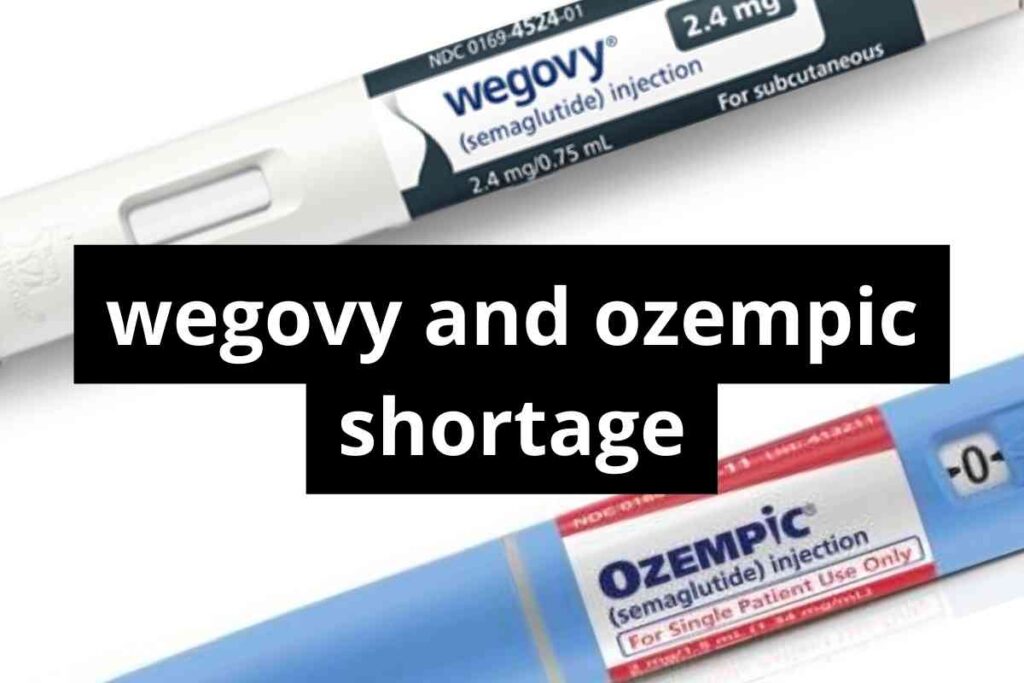
Furthermore, the weight loss achieved with Ozempic tends to be more significant compared to some other weight loss medications available. Ozempic has been compared to other weight loss medications in several studies. Moreover, by helping regulate insulin levels and lower blood sugar, Ozempic supports metabolic health—a critical aspect when trying to lose weight. Due to its effectiveness in promoting weight loss, the FDA approved semaglutide under the brand name Wegovy specifically for chronic weight management in 2021. However, more recent data on Wegovy’s 7.2mg dose shows an average weight loss of 20.7% after 72 weeks, demonstrating just how effective it can be when used consistently and with the right support . Wegovy is a GLP-1 weight loss medication and contains the same active ingredient as Ozempic, semaglutide. The official guidance is that this medication should only be prescribed for those with type 2 diabetes and not solely for weight loss. If you're taking other medications like insulin or sulfonylureas for diabetes, these can contribute to weight gain too. Lower dosages, side effects affecting activity, dietary changes, or other medications can all play a role. Many clinicians therefore consider the semaglutide class—particularly higher obesity doses—as more potent for weight reduction than liraglutide, but individual response varies.
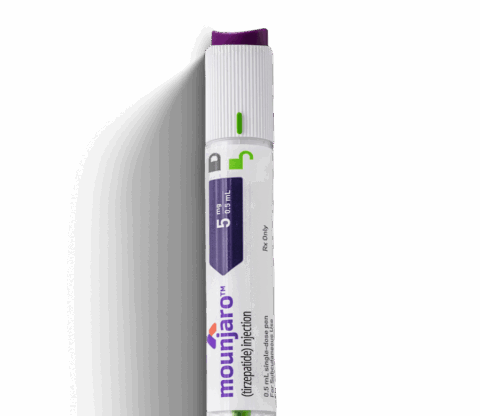
Your journey to health and wellness is unique, and we’re here to help you navigate it successfully. They may recommend adjusting your dosage, evaluating your diet and exercise regimen, or considering alternative options. Common side effects include nausea, vomiting, diarrhea, and stomach pain. However, significant results are often more noticeable after reaching a higher dosage. Factors such as individual metabolic response, lifestyle habits, and adherence to a personalized treatment plan play crucial roles in determining your success. Our journey began with a shared vision to help individuals embrace healthier lifestyles through personalized, clinically proven solutions. The goal of this approach is to reach a point where medication efficacy is maximized while maintaining comfort. Ozempic is generally prescribed starting at a low dose of 0.25 mg weekly. Although these studies often focus on higher doses—typically around 2.4 mg—many have been curious about the effectiveness of lower doses, such as the starting dose of 0.25 mg. For these groups, semaglutide is recommended alongside lifestyle interventions in an appropriate multidisciplinary setting. So, a similar adjustment in the BMI threshold is appropriate when considering using semaglutide. People having treatment outside these recommendations may continue without change to the funding arrangements in place for them before this guidance was published, until they and their NHS clinician consider it appropriate to stop. No strain on your body, no hunger, and no cravings. Take the injections Saturday AM, these meds are more effective just after you take them, and many people eat more on the weekends. How to Increase Weight Loss with Wegovy/Ozempic without Increasing doses Zofran 4 mg or 8 mg is a inexpensive treatment for nausea. Most occur early and during the first few days after the injection, especially when escalating the dose.
Pioneer 1 Trial, an RCT conducted by Aroda et al. to compare the efficacy and safety of oral semaglutide to placebo in patients with type 2 diabetes which included 703 patients for 26 weeks who were randomized to receive 3, 7, or 14 mg oral semaglutide or placebo . It is worth noting that weight loss observed with semaglutide was mainly mediated by therapeutic effect, rather than the occurrence of those adverse events (Lingvay et al., 2020), indicating that semaglutide can be regarded as a weight management agent with generally acceptable safety. Ryan et al. (2020) evaluated the superiority of semaglutide on cardiovascular event reduction in people with overweight or obesity, which was implicated as an anti-inflammatory mechanism. Iacobellis and Villasnte Fricke 2020 reported that semaglutide decreased epicardial adipose tissue thickness by almost 20% after 12 weeks in subjects with type 2 diabetes and obesity, suggesting a reduction in cardiometabolic risk. The other three studies did not directly explore the weight loss effect in obese or overweight patients without diabetes, but demonstrated it in other ways, such as reducing appetite and energy intake, delaying gastric emptying, and decreasing local fat accumulation, respectively (Hjerpsted et al., 2018; Friedrichsen et al., 2021; Jensterle et al., 2021). The previous studies were almost referred to patients with or without diabetes and the comparison between 2.4 mg-dosed semaglutide and placebo. A series of reviews elaborated on the efficacy and safety of semaglutide in obese patients with or without diabetes, generally containing weight-related changes (Tan et al., 2017; Li et al., 2018; Davies et al., 2021; Li et al., 2021; He et al., 2022). Subgroup analyses referred to weight loss of more than 5, 10, 15, and 20% between semaglutide and placebo based on specific doses were carried out, as shown in Supplementary Tables S4, S5, indicating that the higher the dose (2.8 mg/FE/qw), the greater the proportion achieving correspondent weight loss. Subgroup analyses of RBW and ABW changes between semaglutide and placebo based on specific doses were carried out, as shown in Supplementary Tables S4, S5, indicating that the higher the dose, the better the body weight reduction effect. Liraglutide (Saxenda®, 3 mg), a glucagon-like peptide 1 receptor agonist (GLP-1RA) used for the treatment of type 2 diabetes, was approved by the FDA in 2014 for weight management in obese or overweight adults without diabetes (Pi-Sunyer et al., 2015; Scott 2015). Sustained clinically meaningful weight loss is a major goal in preventing the progression of diabetes and other obesity-related complications (Sharma and Garber, 2009).
Compounded semaglutide dosages should always be determined by a healthcare provider based on individual patient needs and response to treatment. This chart serves as a quick reference to ensure that patients receive the optimal dose for their specific condition, whether for weight management or glycemic control in type 2 diabetes, according to the Mayo Clinic. Understanding these influencing factors allows healthcare providers to make informed decisions about dosage adjustments and enhances the overall success of the weight management program. The right semaglutide dose for weight loss depends on your starting or current weight and your risk of side effects. It originally started as a diabetes medication but has taken the world by storm as people noticed its weight loss benefits. Whether you’ve just started taking semaglutide for weight loss or are considering other GLP-1 medications, you likely have many questions. Taking our free assessment quiz will help determine if you qualify for Ozempic or other weight loss medications, allowing us to create a personalized treatment plan tailored to your needs. Understanding the standard dose of Ozempic for weight loss is crucial for anyone considering this medication as part of their weight management strategy. After the initial four weeks, your healthcare provider may increase the dose based on your response to the medication. Initially developed to manage blood sugar levels in adults with type 2 diabetes, Ozempic has also gained popularity for its off-label use in weight loss. While Ozempic can be taken alongside certain diabetes medications, it is vital to consult your healthcare provider for specific recommendations based on your unique health needs. Navigating the world of weight loss can be daunting, but understanding how to properly use medications like Ozempic can empower you to take control of your health. Ozempic is primarily for blood sugar control in diabetes, and it is recommended to continue as prescribed to maintain those benefits, even after achieving a weight loss goal. Understanding the weight loss dose of Ozempic is crucial for anyone considering this medication as part of their weight management strategy. Many individuals participating in clinical studies have reported an average weight loss of approximately 14 pounds (6.4 kg) after 40 weeks of treatment at the maximum dose. Have you ever wondered how a medication originally designed for type 2 diabetes has gained popularity for its weight loss effects? Starting with a low dose and gradually increasing it allows your body to adjust, minimizing side effects while optimizing weight loss results. This initial dose is not intended to provide immediate weight loss results; instead, it serves as an introduction to the medication, allowing your body to adapt.
In addition, DIAL had a considerably longer follow-up time than LEADER (only 5- and 10-year predictions could be validated in the DIAL model) and some of the risk factors in the DIAL model (e.g. micro- and macroalbuminuria) were not available in the full semaglutide dataset. The DIAL model was considered for use in our analysis, as it was developed with data from patients both with and without established CVD (19% and 81%, respectively) . Furthermore, an evaluation of the risk equations of models for CV risk (including Framingham and SCORE) has reported that these models do not provide reliable estimates of CV risk in patients with T2D . The Framingham 46, 47 and SCORE models were not used because they did not include patients with established CVD, which constituted the majority of subjects in the CVOTs in our analysis, as prior CVD is generally considered to be an important risk factor for new events . In line with this, when the CV risk prediction model was applied to the semaglutide dataset it performed satisfactorily, both overall and when applied only to data from the glycemic efficacy trials, validating the utility of the LEADER model for this analysis. Our findings with semaglutide are based on a CV risk prediction model derived from data from the LEADER CVOT; LEADER had common adjudicated endpoints, shared baseline variables and similar inclusion criteria, and evaluated a similar T2D population, to those included in the semaglutide trials. A post hoc analysis of SUSTAIN 6 showed that the beneficial effect of s.c semaglutide vs placebo on MACE was not dependent on the gender, age or baseline CV risk profile of subjects . Clinical trials have also demonstrated a beneficial effect of semaglutide on CV outcomes. Semaglutide was shown to be of a similar or greater magnitude compared with liraglutide 3.0 mg , and possibly more rapid – potentially as a result of the higher albumin affinity of semaglutide compared with liraglutide . Therefore, we believe the totality of data for GLP-1 receptor agonists indicates similar relative risk reduction effects across a broad continuum of baseline CV risk. Our results are consistent overall with a post hoc analysis of pooled SUSTAIN and PIONEER data, which also showed that the effect of semaglutide vs comparators on MACE was largely consistent across different CV subgroups . It could be hypothesized that more advanced disease may be more resistant (or very high-risk groups more non-responsive) to the beneficial effects of GLP-1 receptor agonists on CV outcomes. The results showed that there was a reduced relative and absolute risk of MACE with semaglutide vs comparators across the spectrum of baseline CV risk scores. The CV risk prediction model predicted the risk of CV outcomes observed in the semaglutide trials fairly well, validating the selection of the LEADER model for this analysis. To allow a more granular analysis of the effect of semaglutide on MACE and its relation to baseline CV risk, a continuous CV risk prediction model was developed using data from a liraglutide CVOT (LEADER). BP blood pressure, bpm beats per minute, CV cardiovascular, eGFR estimated glomerular filtration rate, HbA1c glycated hemoglobin, HF heart failure, LDL-C low-density lipoprotein cholesterol, MI myocardial infarction, NNT numbers needed to treat, NYHA New York Heart Association Hazard ratios (semaglutide vs comparators) for subjects included in the analysis ranged from 0.45 for the low CV risk profiles to 0.84 for the high CV risk profiles.
Also, the dose of Ozempic is increased slowly to help prevent side effects. Many people report losing between 5% and 10% of their starting weight over several months. Most people are on a higher dose by this time, such as 0.5 mg or 1 mg. By two to three months, weight loss usually becomes more noticeable. It can take time for the body to fully respond, especially at the lower doses. During the first month, many people may lose a small amount of weight, often between 2 to 5 pounds. But even though the medicine starts working right away, weight loss usually takes more time. It helps control blood sugar and slows down how fast the stomach empties. Ozempic starts working in the body shortly after the first dose. However, significant weight loss often takes several months. While results can vary, most people begin to notice some changes within the first few weeks. On average, they lost about 6% to 9% of their starting body weight. That means if someone weighed 220 pounds before treatment, they might lose around 26 to 33 pounds while on the medication. Ozempic is made with an active ingredient called semaglutide, which was first approved to treat type 2 diabetes. These studies show that Ozempic can help people lose a moderate but meaningful amount of weight over time.